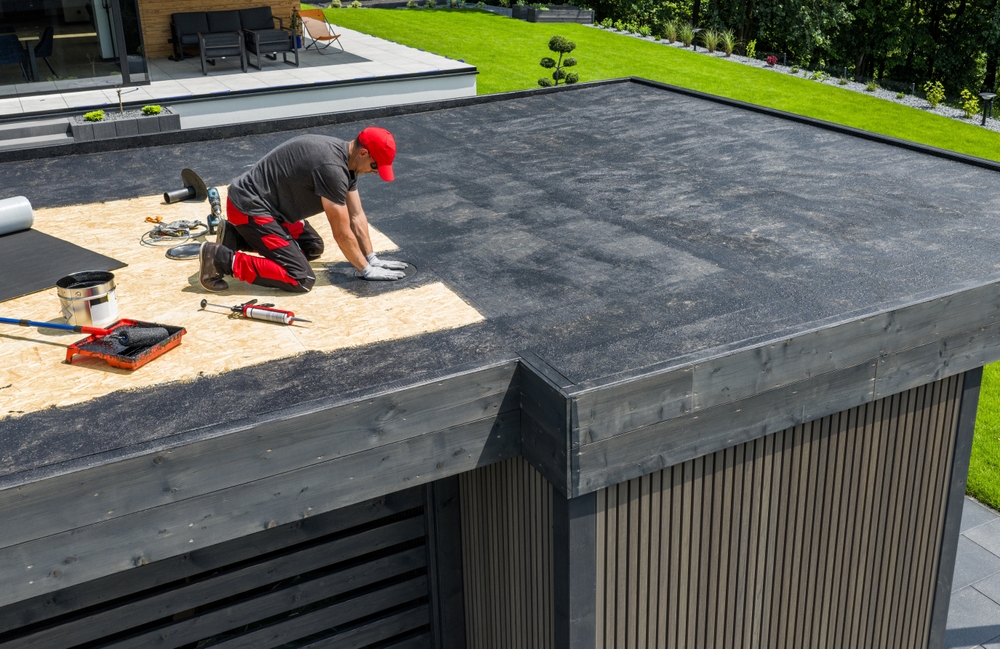

The best roofing solutions are built on collaboration, not shortcuts.
– Karen Rodman
Roof Addition Tie-In Solution: When Old Roofs Meet New Additions
How Experience, Engineering, and Coordination Delivered a Safe Roofing Outcome in South Florida
A Real Roof Addition Tie-In Solution Begins with the Right Question
A roof addition tie-in solution often sounds simple at first. A long-time client contacted Karen Rodman to ask whether a new master bedroom addition could tie seamlessly into an existing roof. The homeowner wanted the roof to look unified while remaining safe, durable, and compliant with modern building standards.
From experience, Karen knew the answer would require more than surface-level fixes.
Why This Roof Addition Tie-In Was Not Cosmetic
The home had an older tile roof, and the original tiles were no longer manufactured. The roofing system predated current Florida Building Code standards. The builder asked whether the transition could look seamless without sacrificing safety or performance.
Karen recognized this immediately as a systems issue, not a cosmetic one. A successful roof addition tie-in solution must prioritize structure, waterproofing, insulation, and ventilation before appearance.
Evaluating the Existing Roofing System
Karen began with a detailed evaluation of the existing roof system. She reviewed the roof deck, underlayment, fastening patterns, insulation values, and ventilation design as documented in the architectural plans.
Older roof systems often lack secondary waterproofing and continuous insulation. Contractors frequently assume old and new systems will work together automatically. That assumption causes many long-term roof failures.
Designing the Addition as a Modern Roofing System
Karen treated the new master bedroom addition as a standalone modern roofing system. Even though the home was older, the addition had to meet current Florida code requirements.
This roof addition tie-in solution required:
-
Proper deck attachment
-
Approved underlayment systems
-
Code-compliant insulation values
-
Ventilation calculations based on engineered plans
Karen refused to downgrade the new construction to outdated methods.
Insulation Continuity Matters in a Roof Addition Tie-In Solution
Insulation played a critical role. A master bedroom requires consistent temperatures and moisture control. Karen ensured insulation ran continuously from the existing structure into the new addition, exactly as the plans required.
This approach eliminated thermal breaks, prevented condensation, and improved long-term energy efficiency. Insulation protects comfort and preserves roof performance.
Managing Discontinued Tile Materials Correctly
Because the original roof tiles were discontinued, Karen coordinated a controlled removal at the tie-in area. She worked closely with the builder and consulting engineers to design a transitional waterproofing strategy using modern self-adhering membranes.
These membranes created a continuous water barrier beneath both roof sections. The roof now functions as one unified system, even though the materials come from different generations.
Rather than forcing an exact visual match, Karen selected the closest manufacturer-approved tile alternative. She blended the transition carefully and prioritized durability and safety over appearance alone.
Ventilation Must Be Recalculated for the Entire Structure
Adding square footage changes airflow dynamics. Ignoring ventilation adjustments shortens a roof’s lifespan.
Karen recalculated intake and exhaust ventilation for the entire structure based on architectural and engineering specifications. She followed the plans, not assumptions from supply catalogs. Proper ventilation now protects both roof sections from heat and moisture buildup.
For reference, ventilation standards align with guidance from the
👉 Florida Building Code: https://www.floridabuilding.org
👉 NRCA Roofing Manual: https://www.nrca.net
Special Considerations: Metal Roof to Flat Roof Transitions
Some roof addition tie-in solutions involve metal roofs connecting to flat roof systems. These situations change the dynamics completely.
A proper transition often requires removing metal roofing across the tie-in area and resetting it so new flat roofing materials can integrate correctly. While costly, this method ensures waterproofing integrity and code compliance.
Flat roofs typically last 15 to 16 years. Metal roofs last 25 to 30 years. At some point, the transition must be rebuilt to maintain system performance.
Coordination Is What Makes the Roof Work
Karen maintained constant communication with the builder and consulting engineers. She secured permits, scheduled inspections, and documented every step.
This coordinated approach eliminated surprises and ensured accountability from start to finish.
The Outcome of a Proper Roof Addition Tie-In Solution
The homeowner was thrilled with the final result. The new master bedroom stayed comfortable, energy-efficient, and fully protected. Most importantly, the roof performed as one integrated system built to withstand South Florida’s climate.
Karen never aimed to create something that only looked seamless on day one. She focused on performance that lasts decades.
Ready to Plan Your Roof Addition Tie-In Solution the Right Way?
If you are planning a home addition, partial roof replacement, or complex roof addition tie-in solution, experience matters. Karen Rodman collaborates with builders, engineers, and homeowners to deliver roofing systems that meet code, protect structures, and perform long-term.
📞 Call Karen Rodman 305-264-3551
📧 Email Karen Directly Rodmanroofing@yahoo.com
📍 Visit Rodman Roofing, Inc. 12151 S.W. 128th Court, Unit 108, Miami, FL 33186
Whether residential or commercial, start your roofing project with clarity, confidence, and the guidance of a proven professional.