 How career maritime expertise is shaping the future of Miami transportation, trade, and global cruise dominance
Ports do not compete by geography anymore, they compete by leadership and vision.
– Hydi Webb
TL;DR – 30 Second Elevator Pitch
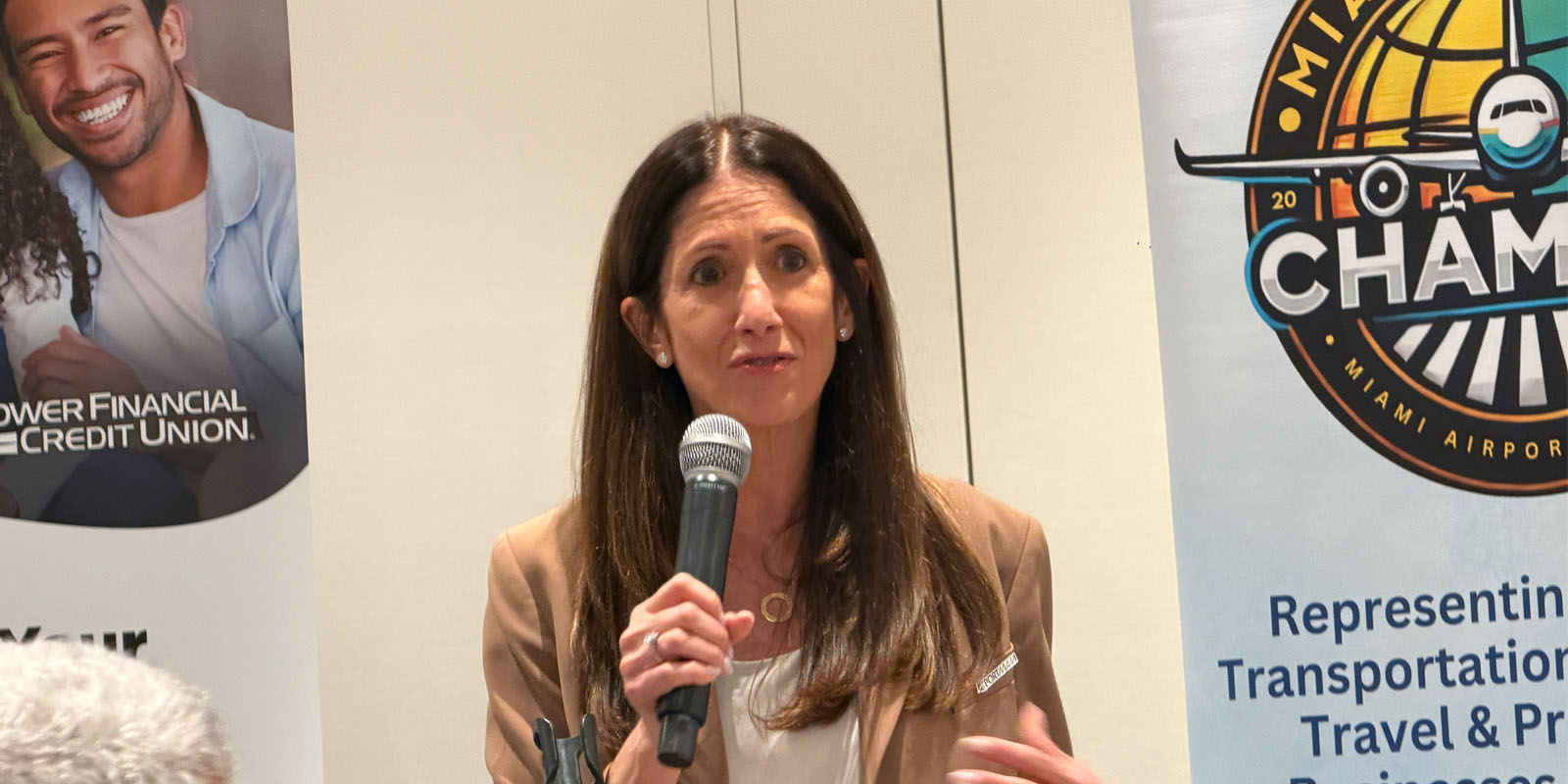
Hydi Webb PortMiami leadership represents one of the strongest transportation success stories in the United States. Since becoming CEO in 2022, she has helped drive record cruise passengers, sustained cargo growth, and major infrastructure modernization that keeps Miami competitive in global trade and tourism.
Full Blog Content
Hydi Webb PortMiami leadership has become one of the most important forces shaping transportation and economic growth in South Florida. Today, PortMiami stands as both a global cruise hub and a major cargo gateway, and that balance is not accidental. It reflects decades of experience, operational understanding, and strategic planning now guiding the port into its next era of expansion.
Transportation leadership is rarely about one single project. Instead, it is about building systems that work reliably every day. Under Webb’s direction since 2022, PortMiami has delivered record cruise passenger numbers while maintaining strong cargo volume performance. More importantly, the port has strengthened its reputation as one of the most dependable logistics hubs in the Western Hemisphere.
Direct Answer integrated naturally into the narrative:
This article explains how Hydi Webb PortMiami leadership is driving record cruise growth, stable cargo expansion, and infrastructure modernization that strengthens Miami’s role as a global transportation gateway.
Career depth matters in infrastructure leadership. Webb began working at PortMiami in the early 1990s and built experience across marketing, cruise development, business strategy, and operations. Because of this, she understands the real-world impact of decisions on shipping companies, cruise partners, and local logistics networks. That experience creates confidence among global partners who rely on consistency more than promises.
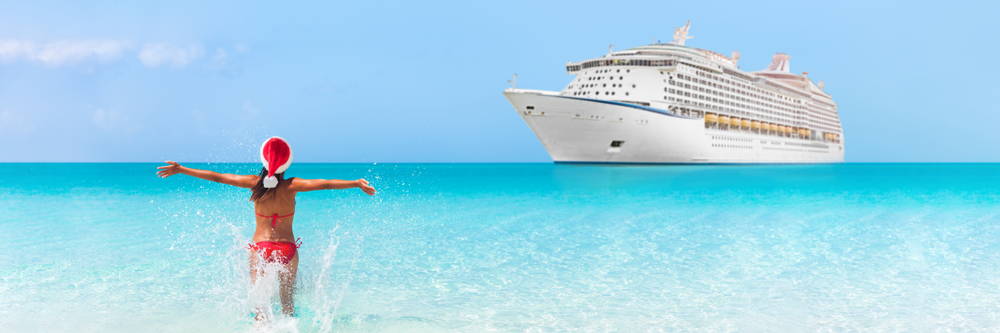
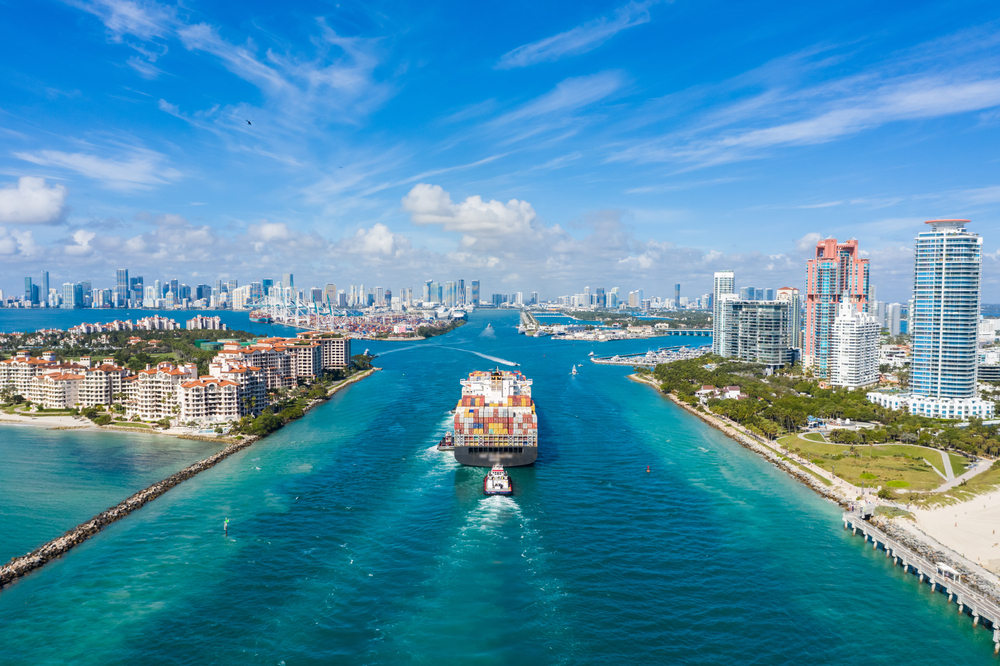
Now the results speak clearly. PortMiami has reached approximately 8.5 million cruise passengers annually, reinforcing its status as the cruise capital of the world. At the same time, cargo operations continue exceeding one million container units per year, maintaining over a decade of high volume reliability. According to the Miami-Dade County official port data, the port supports hundreds of thousands of regional jobs and drives tens of billions in economic activity.
You can learn more about official port operations through the Miami-Dade County PortMiami information portal, which provides public data and infrastructure updates.
Infrastructure modernization continues to shape the next phase of Hydi Webb PortMiami leadership. The port has invested in electric cargo handling equipment, yard technology upgrades, berth improvements, and resiliency projects designed for future climate and operational demands. These investments matter because global shipping routes increasingly favor ports that can move cargo faster and more efficiently.
More importantly, PortMiami succeeds because it does not depend on one industry. Cruise tourism and cargo trade grow together, which strengthens economic stability during global fluctuations. Many ports specialize in one or the other. However, PortMiami benefits from both simultaneously, making it one of the most strategically balanced ports in North America.
From a transportation ecosystem perspective, PortMiami strengthens aviation logistics, trucking distribution, and regional warehousing. Miami International Airport cargo and PortMiami cargo create a combined gateway effect that supports Latin America and Caribbean trade routes. This connectivity keeps South Florida competitive in global commerce conversations.
For readers who follow regional transportation intelligence, you can explore additional infrastructure and logistics coverage through Miami transportation industry reporting on MiamiTransportationNews.com.
Experience and leadership also influence global perception. Shipping lines and cruise companies invest long-term in ports they trust. Webb’s career inside PortMiami gives global partners confidence that strategic direction will remain stable and informed by operational reality.
As the global economy evolves, transportation hubs must adapt quickly. PortMiami continues expanding capacity while maintaining efficiency, which is exactly what global logistics networks demand today. Hydi Webb PortMiami leadership reflects a modern model of infrastructure leadership built on institutional knowledge and future-focused investment.
A famous quote often attributed to Peter Drucker states, “The best way to predict the future is to create it.” This applies directly to transportation leadership because infrastructure decisions made today determine economic outcomes decades later. Webb’s approach focuses on building systems designed to serve future shipping and tourism needs, not just current demand.
If there is one thing readers should remember, it is that transportation leadership shapes entire regional economies. When ports operate efficiently, cities grow faster, businesses expand, and global investment increases.
If your organization wants to stay connected to Miami’s transportation and infrastructure growth while staying ahead of logistics trends and leadership insights, call 305-386-6165 or email Wilson Alvarez to explore media features, transportation coverage, executive spotlights, and strategic visibility opportunities through MiamiTransportationNews.com and Wilson Alvarez Consulting Group.