Your Local Matchmaker to All Things for Seniors
Connecting Healthcare, Legal Protection, Caregivers, and Community in Miami-Dade County
Senior care in Miami-Dade County is no longer one-dimensional.
In the past, support often revolved around a single service — a doctor’s visit, a hospital discharge, or finding a home health aide. Today, however, senior care functions as an interconnected system.
When that system becomes fragmented, seniors and their families feel the strain first. Consequently, gaps in communication can quickly turn into gaps in care.
For this reason, the future of senior support in Miami depends on something larger than individual services.
It depends on ecosystems.
Understanding the Senior Care Ecosystem
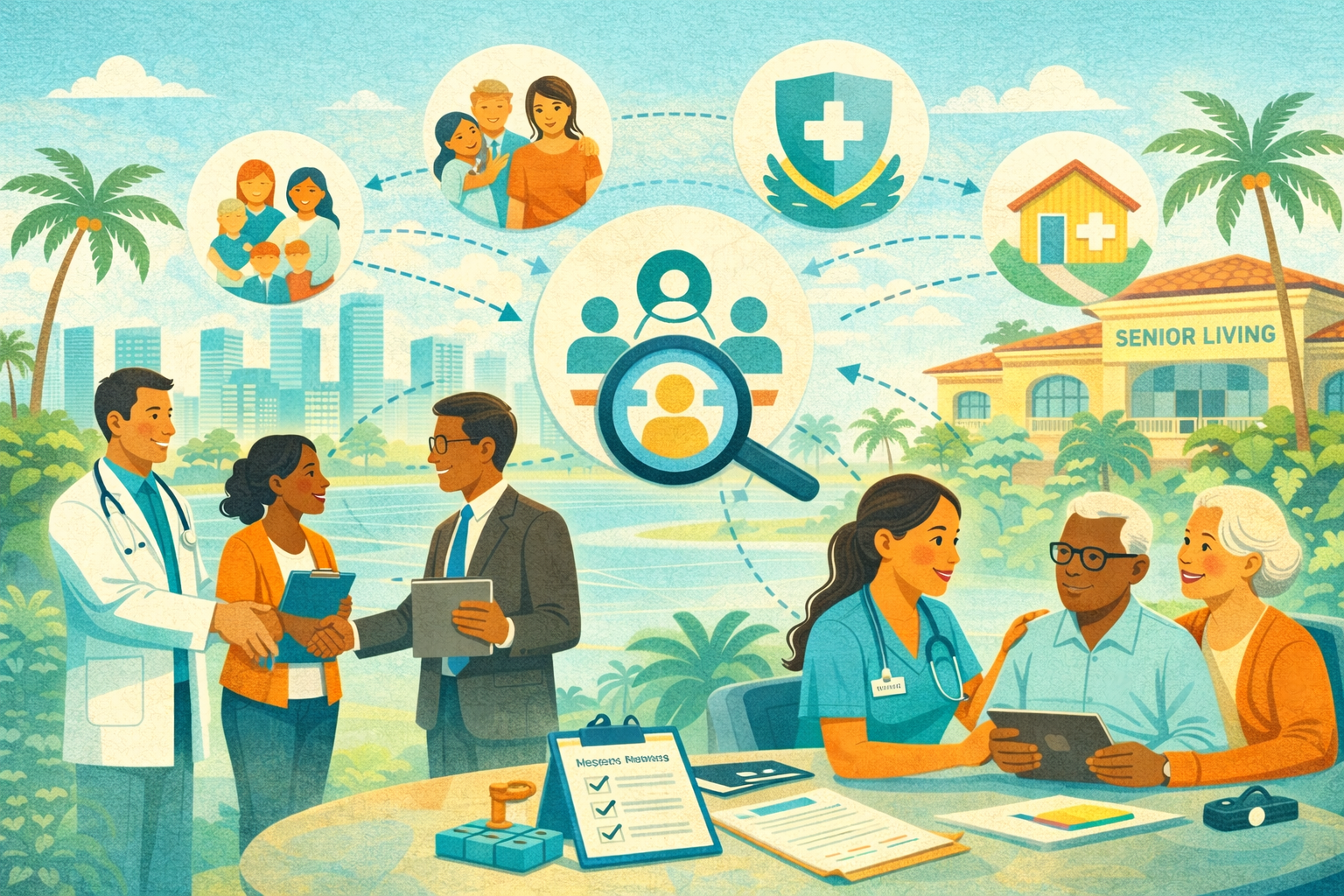
A senior care ecosystem connects multiple services into a coordinated support structure. Rather than operating in isolation, providers function within a collaborative framework.
Typically, this includes:
-
Healthcare professionals
-
Senior living communities
-
Elder law attorneys
-
Caregiver networks
-
Travel and lifestyle coordinators
-
Wellness product providers
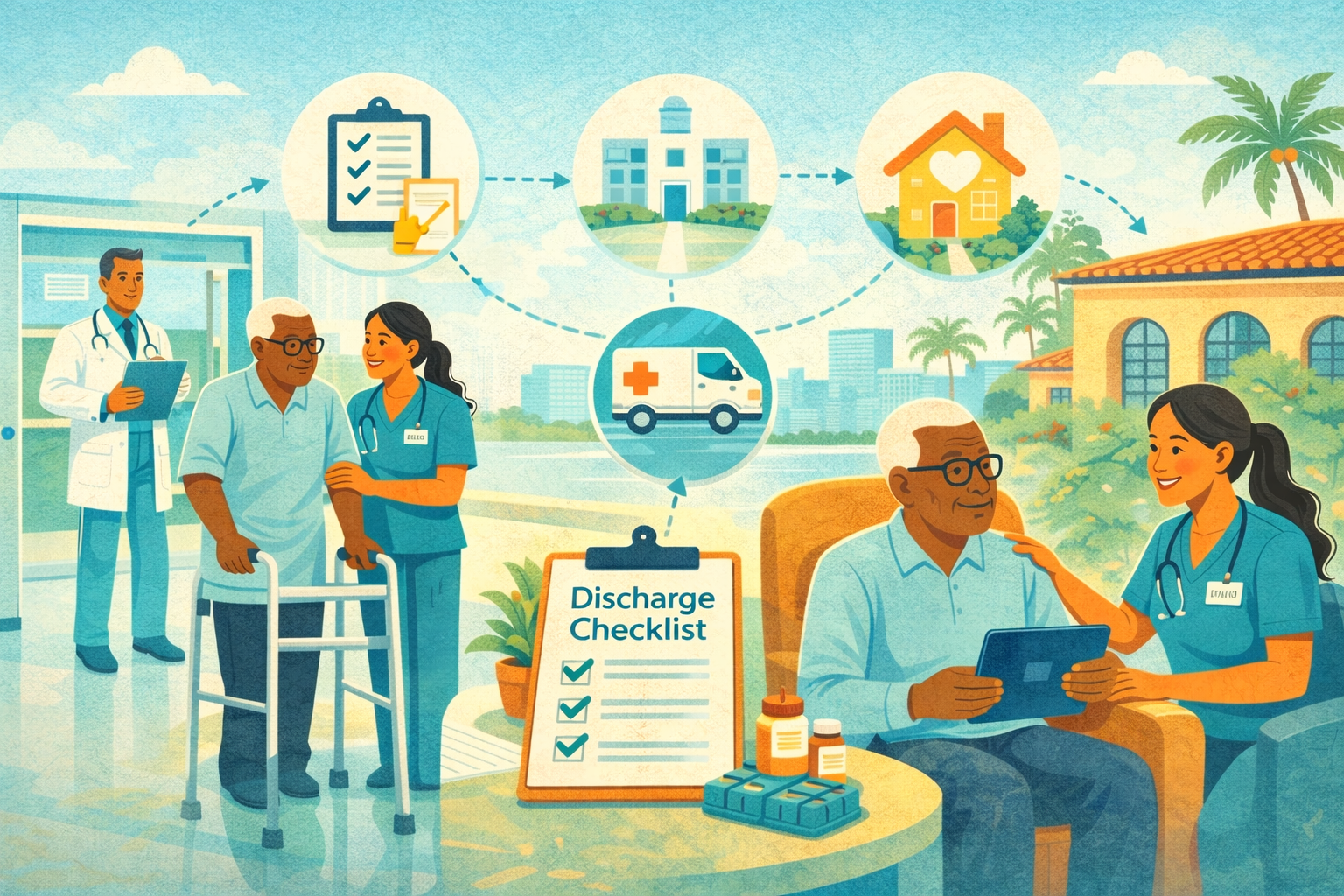
When these elements communicate effectively, transitions become smoother. For example, a discharge planner coordinating with a caregiver network reduces confusion. Likewise, when legal professionals align with healthcare providers, families gain clarity during complex decisions.
As a result, seniors experience continuity instead of disruption.
Why Local Coordination Matters in Miami
Miami presents unique demographic and cultural dynamics. Therefore, national platforms cannot always account for the region’s specific needs.
Locally, families often navigate:
-
Multilingual households
-
Multigenerational decision-making
-
A rapidly expanding assisted living market
-
Growing demand for aging in place
-
Increased caregiver workforce needs
Because of these factors, coordination requires local familiarity. While directories may offer broad listings, they rarely provide contextual insight. In contrast, community-based models understand cultural expectations, language preferences, and regional healthcare structures.
Consequently, locally driven ecosystems tend to create more aligned outcomes.
From Directory to Relationship-Driven Network
Previously, families relied heavily on directories. Although those tools provided information, they rarely offered guidance.
Today, families seek more than listings — they seek coordination.
Directories present options. Networks facilitate introductions.
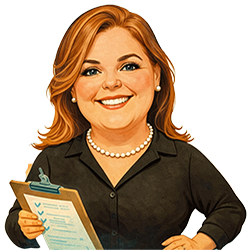
For example, 305Senior, founded by Viviana Laboy, operates as an independent referral hub centered on local professional relationships. Importantly, the platform does not provide medical or legal services. Instead, it connects families to vetted professionals across Miami-Dade.
Its role is connection — not control.
Moreover, relationship-based navigation helps reduce overwhelm during emotionally sensitive transitions.
The Role of Ethical Transparency
Strong ecosystems require clarity. Without transparency, trust weakens over time.
305Senior openly discloses that it may receive referral fees from certain partner providers. However, these arrangements do not increase costs for seniors.
By clearly communicating these boundaries, the organization reinforces ethical collaboration. In turn, families can make informed decisions with confidence.
Transparency, therefore, strengthens long-term credibility within the community.
How Collaboration Reduces Risk
When providers communicate, outcomes improve.
For instance, when healthcare professionals coordinate with elder law attorneys, transitions often become more organized. Similarly, when caregiver networks stay aligned with discharge planners, readmission risks may decrease.
In addition, travel coordinators who understand medical considerations can enhance safety for relocating seniors.
Ecosystems reduce gaps.
Because gaps are where mistakes happen.
Through consistent communication, collaborative models help minimize fragmentation and support continuity of care.
The Long-Term Vision for Miami-Dade
Looking ahead, Miami’s senior population will continue to expand. Therefore, the need for coordinated infrastructure will grow as well.
The future of senior care in Miami-Dade County will increasingly rely on:
-
Coordinated communication
-
Cultural awareness
-
Bilingual support
-
Ethical referral practices
-
Workforce alignment
-
Community engagement
No single organization can provide every solution. Nevertheless, interconnected systems can accomplish significantly more together than isolated providers working independently.
Senior care is no longer simply a list of services.
Instead, it is a network of professional relationships working toward shared outcomes.
By building that network thoughtfully, Miami can help ensure that seniors age with dignity, clarity, and coordinated support. Ultimately, collaborative ecosystems offer a more sustainable path forward than fragmented systems.
Healthcare providers, senior service professionals, caregivers, and families interested in strengthening Miami-Dade’s senior care ecosystem are encouraged to begin the conversation.
Email Viviana Laboy at:
 Viviana Laboy
vlaboy@305senior.com
786-326-0656
www.305Senior.com
Sometimes clarity begins with the right guidance.