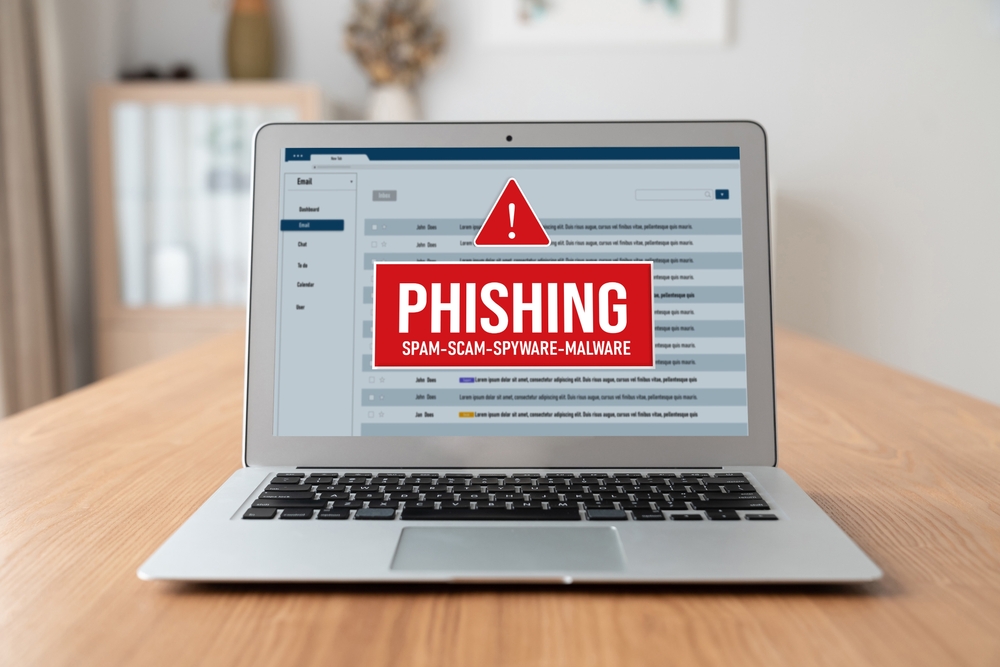
How Tax Season Pressure Creates Opportunity for Cybercriminals
By Humberto Comellas
President & CEO, ulltium consulting®
March places extraordinary operational pressure on businesses across Miami.
Accounting teams are processing high volumes. Financial documentation is circulating rapidly. Leadership is approving payments and reviewing filings under compressed timelines.
Direct Answer: March sees increased phishing activity because tax-season urgency reduces verification behavior, creating ideal conditions for business email compromise and financial fraud.
This seasonal pattern is not accidental.
Cybercriminals design campaigns around predictable business stress cycles.
The “Stressed Supply Chain” Effect
Phishing during tax season rarely targets accounting firms alone.
It targets the ecosystem around them.
Clients exchange tax documentation. Vendors update payment instructions. Executives authorize transactions quickly to avoid delays.
Speed becomes the default.
And speed reduces scrutiny.
What Modern Tax-Season Phishing Looks Like
Today’s attacks are subtle.
They resemble:
• Routine document requests
• Vendor payment update notices
• E-signature requests
• Urgent executive instructions
These emails blend seamlessly into March communication patterns.
They succeed because they appear ordinary.
Why Competent Organizations Still Experience Losses
Phishing is not primarily a technology failure.
It is a timing strategy.
When inbox volume increases, employees rely on pattern recognition instead of detailed inspection.
Attackers need only one misjudged message.
The result can be:
• Fraudulent wire transfers
• Compromised financial data
• Credential theft
• Regulatory exposure
For industries operating under HIPAA or financial compliance frameworks, consequences extend beyond financial loss.
Seasonal Risk Requires Seasonal Awareness
Businesses can reduce exposure during high-volume months by reinforcing simple safeguards:
• Verifying payment changes verbally
• Confirming urgent requests through secondary channels
• Requiring multi-factor authentication
• Conducting brief seasonal awareness reminders
Security posture must adapt to operational tempo.
March is not business as usual.
Leadership Requires Anticipation
Well-run organizations do not wait for fraud incidents to refine processes.
They anticipate seasonal risk cycles and adjust accordingly.
Tax season will return next year.
The only variable is preparedness.
Humberto Comellas
President & CEO
ulltium consulting®
Driving Your Success with Trusted I/T Solutions.