From a Father’s Golden Gift to a Conversation with Bodegas Faustino in Miami Beach
A Miami Beach Event Introduces the Story of One of Rioja’s Most Iconic Wines
Sometimes life connects moments in ways you don’t expect.
Years ago, I learned about something called a Golden Birthday — when your age matches the day you were born. It’s a simple idea, but it made me think about how certain years carry meaning even if we only recognize them later.
That idea stayed with me when I became a father.
Fatherhood changes your perspective on time. When you are young, time feels endless. When you have children, time suddenly becomes something you want to capture and preserve.
When my son NeneWil turned thirteen, I decided to create something symbolic for him.
I bought him a bottle of Faustino 1996 Rioja wine, the year he was born.
Not for him to drink immediately. The bottle was meant to be a keepsake — a moment captured in glass. I told him he could open it one day when he got engaged or married.
When my daughter Janelle turned seventeen, I did the same thing. I bought her a bottle of Faustino 1994 Rioja, the year she was born.
I told both of them the same thing: keep it and open it during one of life’s big milestones.
It was my version of what I called a Golden Gift.
I never saw those bottles again. Maybe they drank them with friends. Maybe they opened them when they turned twenty-one. I never asked.
But what stayed with me was the symbolism behind those bottles.
They represented time, patience, and life’s milestones.
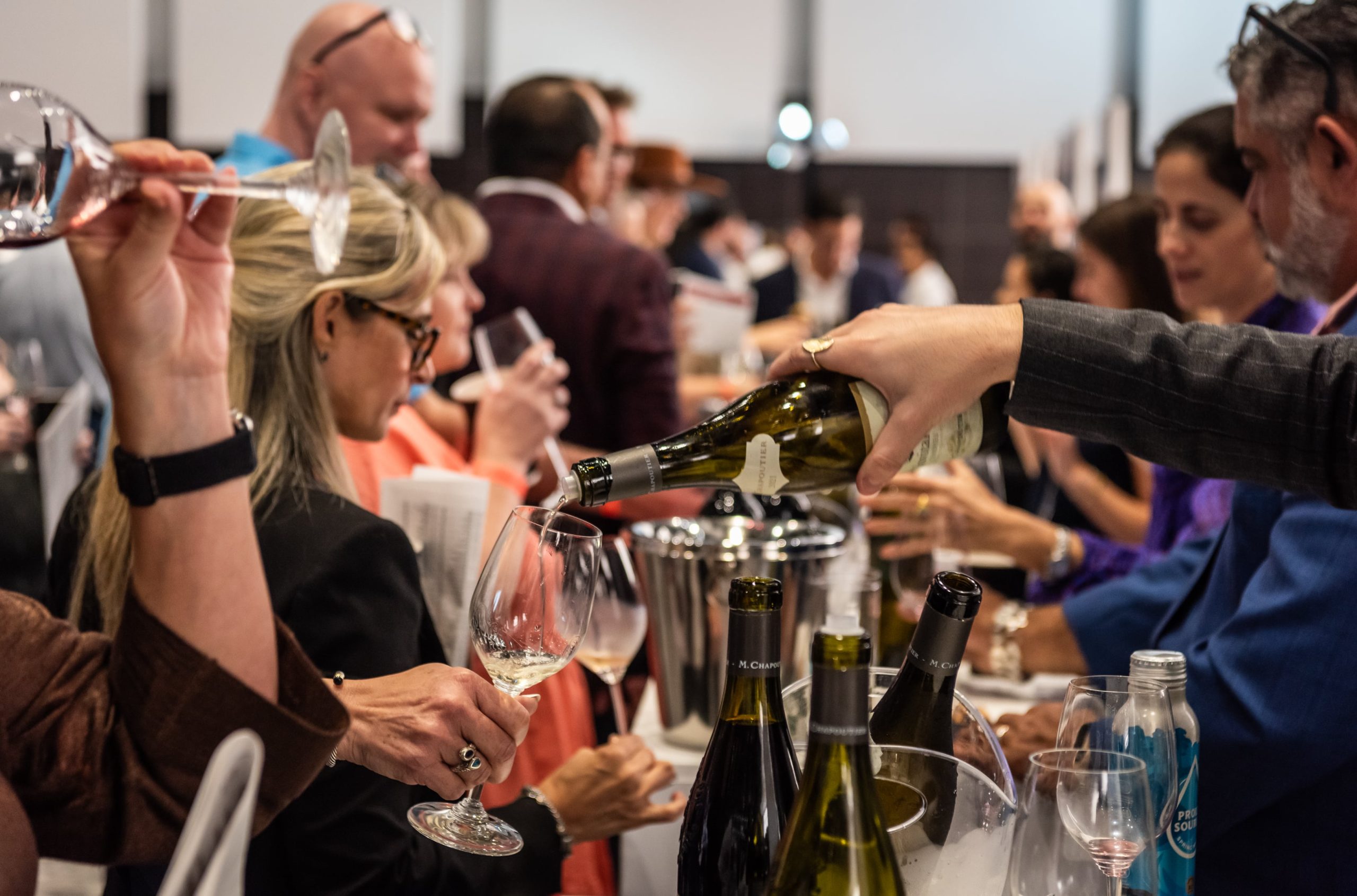
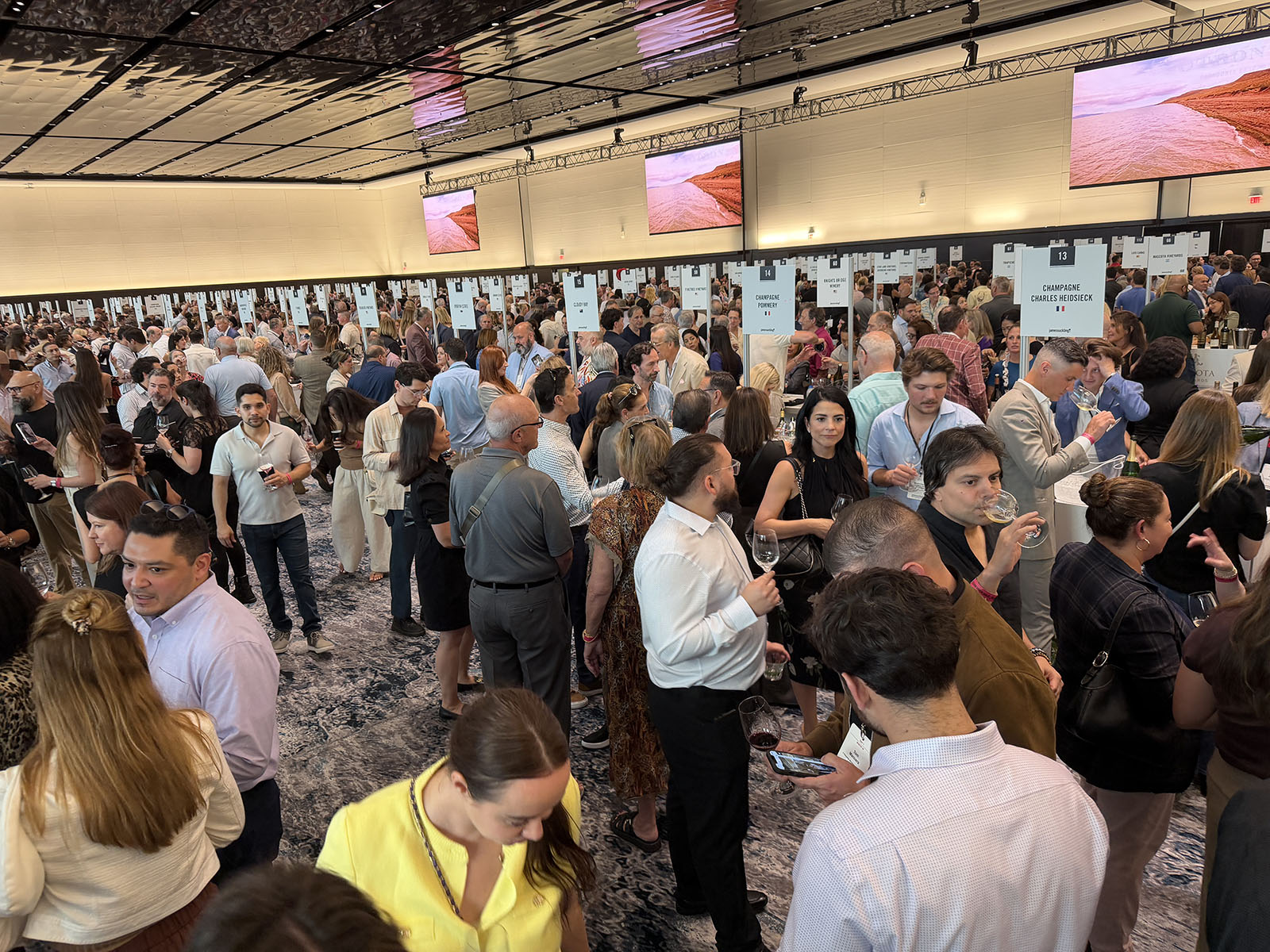
And years later, I found myself standing at a wine event in Miami Beach, speaking directly with someone from the very winery whose bottles had inspired that idea.
Meeting Bodegas Faustino in Miami Beach
At a recent wine event in Miami Beach, I had the opportunity to interview Cristina Martín, who represents Bodegas Faustino, one of the most recognized wineries in Spain’s Rioja region.
For wine enthusiasts, the Faustino label is instantly recognizable. The portrait on the bottle has become one of the most iconic wine labels in the world.
But behind that label is a fascinating story of family tradition and Rioja winemaking.
Cristina explained that Faustino belongs to the Familia Martínez Zabala, a family-owned winery that has been producing wines in Rioja for generations.
“Faustino was the first winery created by the third generation of the family,” she explained. “Don Julio started the winery and named it after his father, Faustino.”
The famous portrait on the bottle often leads people to believe it represents Faustino himself.
But the truth is even more interesting.
“It is not actually Faustino,” Cristina explained during our conversation. “The image is a photograph of a Rembrandt painting. The character represents a wine merchant from centuries ago.”
The family felt the image perfectly symbolized the long tradition of wine commerce and craftsmanship. Over time, it became one of the most recognizable labels in the global wine industry.
A Fourth-Generation Family Winery
Today, Bodegas Faustino continues under the leadership of the fourth generation of the Martínez Zabala family.
Cristina proudly shared that the winery is currently led by Lourdes and Carmen, making Faustino a women-owned winery today.
The winery’s vineyards are located in Rioja Alavesa, the northern section of the Rioja wine region, located closest to Spain’s Basque Country.
The family owns approximately 700 hectares of vineyards, giving them significant control over grape production and quality.
Faustino is particularly known for producing some of the best-selling Gran Reserva wines in Rioja.
The Faustino Philosophy: Start at the Top
One of the most fascinating aspects of the Faustino story is how the winery began.
Most wineries begin with young wines such as Joven or Crianza wines before eventually producing Gran Reserva wines later.
Faustino took a different path.
“Our first wine was a Gran Reserva,” Cristina explained.
The philosophy behind that decision was simple but powerful.
“If you start with the highest level, you can always go lower,” she said. “But if you start low, it is very difficult to go higher.”
This commitment to quality helped establish Faustino as one of the most respected names in Rioja wine.
The Importance of Time in Faustino Wines
Gran Reserva wines in Rioja are known for their aging requirements.
Traditionally, Rioja regulations require several years of aging in both oak barrels and the bottle before the wine reaches the market.
But Faustino goes beyond those minimum requirements.
Cristina explained that some Faustino wines are aged up to ten years before release, creating wines with deep complexity and elegance.
For wine lovers, that patience is part of what makes Faustino wines so special.
From Rioja to Miami Beach
Standing at that event in Miami Beach, listening to Cristina talk about the legacy of Faustino, I realized something.
Those bottles I once gave my children were more than just symbolic gifts.
They represented a winery built on the very same values I was trying to express to them:
time, patience, and meaningful moments.
The same principles that shape life’s milestones also shape great wines.
And few wineries represent that better than Bodegas Faustino of Rioja.
Final Thought
Sometimes life brings things full circle.
Years after giving my children bottles of Faustino Rioja, I found myself speaking with the winery itself — learning about the history, the philosophy, and the family legacy behind those bottles.
It reminded me that great wines, like meaningful moments in life, are rarely accidental.
They are the result of time, patience, and tradition.
And that is exactly what Faustino represents.