
Mark Twain, Cigars, Travel, and the Wit Behind the Smoke
Mark Twain smoked the way he wrote: constantly, honestly, and without apology.
– Wilson Alvarez
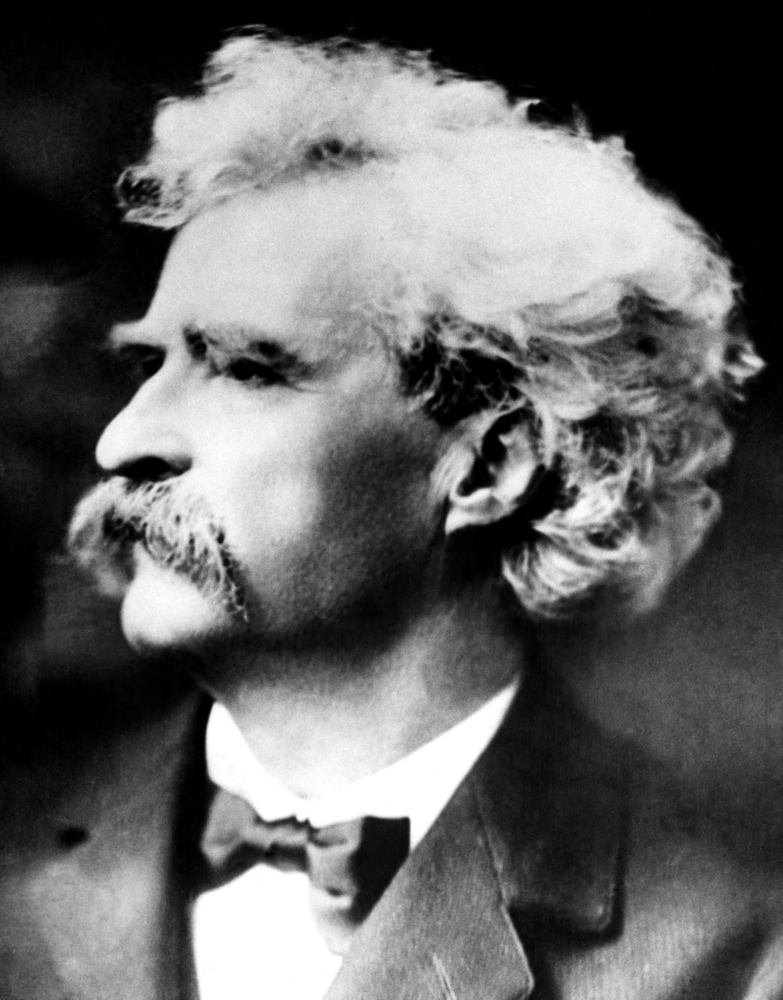 TL;DR – Mark Twain began using tobacco young and became one of history’s most legendary cigar smokers, with estimates often placing him around 22 cigars a day and sometimes higher. He married Olivia Langdon, had four children, died in 1910 of heart trouble, and was documented in Cuba and South Florida in 1902. His cigar legacy is rooted in wit, travel, humanity, and conversation.
As a writer, I can relate to “Twain proved cigars belong in storytelling”. Mark Twain remains one of the most quoted Americans who ever lived, and for cigar culture he offers something special: not just a smoking habit, but a fully formed philosophy of observation, humor, travel, and appetite. He did not smoke to look distinguished. He smoked because tobacco had become part of his rhythm long before fame ever arrived.
Born Samuel Langhorne Clemens on November 30, 1835, in Florida, Missouri, Twain became an internationally known humorist, lecturer, and novelist. He married Olivia Langdon Clemens in 1870, and they had four children: Langdon, Susy, Clara, and Jean. He died in Redding, Connecticut, on April 21, 1910. Britannica identifies the cause as a heart attack, while a contemporary Associated Press account described his death as due to angina pectoris, which reflects the medical language of the time.
Twain’s relationship with tobacco began early. In his essay “Concerning Tobacco,” he wrote that his relationship with tobacco began when he was a lad, first with chewing tobacco. Secondary cigar histories place him smoking cigars from a very young age, and estimates of his later cigar consumption range from around 20 to 40 cigars a day. One long-cited estimate associated with the Mark Twain House places him at 22 cigars a day.
Unlike Churchill, Twain’s cigar image was less about authority and more about personality. He often favored inexpensive cigars and wrote about tobacco with a mix of honesty and mock seriousness. That matters because it humanizes him. He was not curating a luxury image. He was living with a habit so constant that it blended with his writing life. His cigar was part of the room, part of the chair, part of the white suit, part of the voice.
Twain also carries a real connection to cigar lands. In 1902, he traveled to Cuba, with contemporary reporting placing him in Santiago de Cuba. Search results also point to Key West during that same journey, and academic indexing indicates he was in South Florida in 1902 as well. I did not find a solid source confirming a Miami visit specifically, so it is safer to say Twain was documented in Cuba, Key West, and South Florida rather than claim Miami outright.
The wisdom Twain leaves cigar lovers is easy to recognize. His writing consistently pushed readers to see more, travel more, and think less narrowly. Even if one sets the cigars aside, he remains a patron saint of curiosity. Add the cigars back in, and he becomes something even better for our world: a reminder that leisure, thought, and humor belong together.
For trivia lovers, Twain may be the most naturally quoted cigar smoker of the four men in this series. That is because his wit still sounds alive. He wrote like conversation, and cigars fit conversation. That makes him ideal for any cigar club that values fellowship over posing and lively exchange over empty status.
At Miami Cigar Club, that spirit matters. Twain reminds us that the cigar is not only a leaf. It is also an invitation to slow down, observe sharply, laugh honestly, and let the conversation breathe.
If you appreciate the experience of cigars, conversation, and fellowship, Miami Cigar Club is building exactly that kind of environment here in South Florida. For more information, contact info@wilsonalvarez.com.