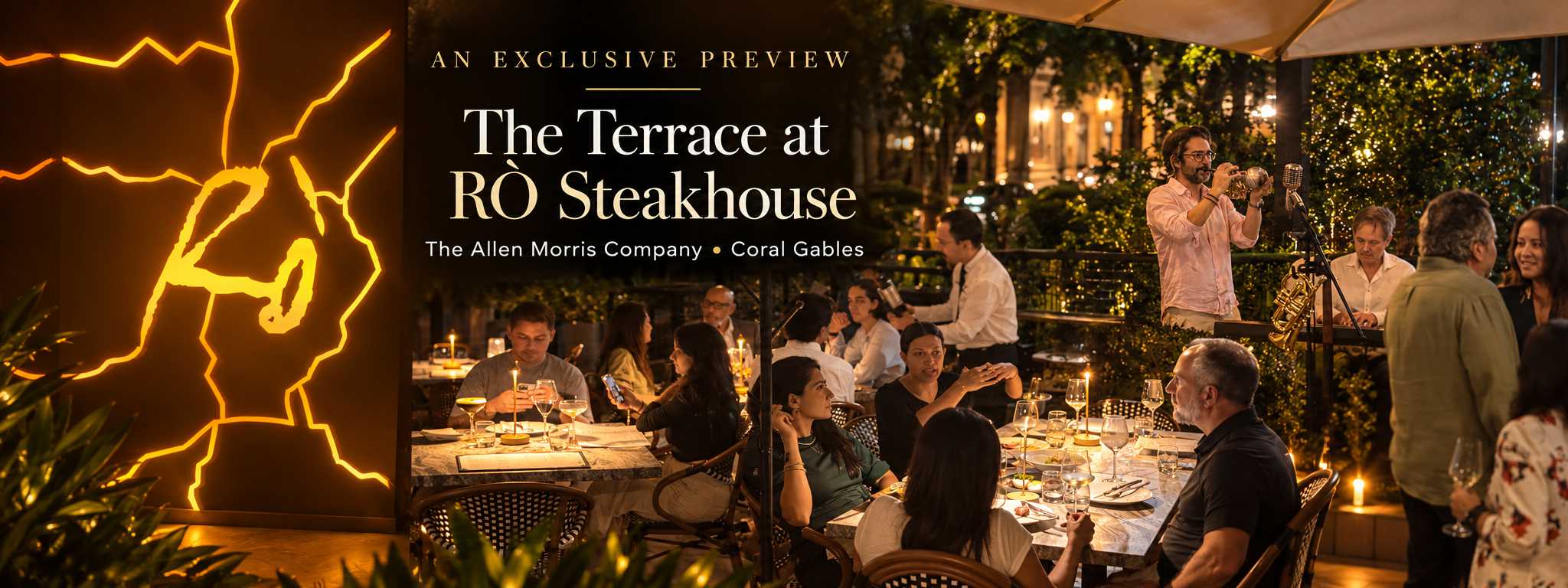
In one of America’s most recognizable dining destinations, memorable hospitality requires more than excellent cuisine. Leadership, consistency, and customer experience help define lasting restaurant businesses.
MIAMI HOSPITALITY NEWS | MIAMIBUSINESS.COM
A restaurant can serve exceptional food and still struggle to build a sustainable business.
In Miami’s competitive hospitality environment, the difference between attracting a customer and earning a loyal guest often comes down to something beyond the menu.
It comes down to the experience.
From the moment someone discovers a restaurant online to the final interaction with its staff, every detail contributes to how the business is perceived.
For restaurant owners, understanding those details is essential.
Restaurant Success Begins With a Clear Identity
Successful restaurant concepts need a recognizable identity.
That identity might come from a particular cuisine, a chef’s philosophy, a family tradition, a distinctive atmosphere, or a commitment to accessible dining.
However, the concept must also make business sense.
A restaurant in Brickell may serve customers with different expectations from those visiting a neighborhood establishment in Westchester or Coral Gables.
Location, demographics, operating hours, and customer spending patterns can influence the concept’s financial performance.
An appealing idea is only the beginning.
The business must deliver an experience that customers understand, appreciate, and want to repeat.
Why Consistency Matters More Than a Perfect Evening
A single outstanding dinner can generate a positive review.
Consistency creates the possibility of lasting customer loyalty.
Guests should be able to expect dependable food quality, cleanliness, attentive service, and reasonable communication during each visit.
Achieving that consistency requires training, supervision, and clearly established procedures.
Restaurant management must also address the unexpected.
Employees call out. Deliveries arrive late. Equipment requires maintenance. Reservations change.
How a business responds to these challenges often determines whether its service standards remain intact.
For restaurant owners, consistency is not simply a hospitality principle. It is an operational responsibility.
Leadership Shapes the Customer Experience
Behind every dining room stands a team.
Servers, hosts, bartenders, cooks, dishwashers, supervisors, and managers all contribute to the experience.
Effective leadership provides direction while creating accountability.
Employees need to understand expectations, communicate effectively, and receive the training necessary to perform their responsibilities.
A restaurant’s internal culture can also influence customer interactions.
When employees understand their roles and feel supported, management has a stronger foundation for delivering dependable service.
The National Restaurant Association’s 2026 industry research identifies workforce development and operating efficiency as important priorities for restaurant operators nationwide.
Those considerations are relevant to Miami businesses competing for customers and qualified employees.
Customer Experience Extends Beyond the Dining Room
Today’s restaurant experience frequently begins on a smartphone.
Customers search for restaurant locations, review menus, compare photographs, check operating hours, and read online feedback.
If important information is missing or inaccurate, the business may lose an opportunity before the customer arrives.
Restaurants should maintain accurate online profiles, accessible websites, current menus, and clear reservation information.
Digital convenience should complement the personal experience rather than replace it.
A reservation system may organize the evening. A well-trained host makes the arrival feel welcoming.
Both matter.
Reputation Is Built Through Everyday Decisions
A restaurant’s reputation develops through repeated customer experiences.
Positive reviews can support discoverability, but reputation management involves more than encouraging favorable feedback.
Businesses should listen to concerns, respond professionally, and identify recurring problems.
Customer criticism can reveal opportunities to improve service, communication, or operations.
Owners should also avoid relying exclusively on social media attention.
A popular photograph may introduce a restaurant to thousands of people. Sustainable performance requires customers who believe the experience justifies returning.
The strongest marketing message is supported by what happens inside the establishment.
Understanding Restaurant Costs and Customer Value
Food quality and hospitality must operate within financial realities.
Restaurant owners manage ingredient prices, wages, utilities, rent, insurance, maintenance, and other expenses.
The National Restaurant Association’s 2026 outlook describes persistent cost pressures and uneven customer traffic as significant challenges for the industry.
As a result, value has become an important business consideration.
Value does not necessarily mean offering the lowest price.
It means customers believe the experience, quality, service, and atmosphere justify what they spend.
A fine-dining restaurant and a neighborhood café can both deliver meaningful value, even with very different pricing models.
Understanding the intended customer is essential.
What Miami Hospitality News Looks for in Restaurant Stories
Miami Hospitality News examines restaurants as businesses, not simply dining destinations.
Our editorial interests include ownership, leadership, customer experience, operating concepts, neighborhood connections, and the people responsible for bringing hospitality businesses to life.
We also recognize that restaurant success cannot be established through promotional claims alone.
When covering individual establishments, we aim to distinguish verified facts, owner perspectives, customer experiences, and independent analysis.
That approach helps readers understand both the story and the business behind it.
The Restaurant That Earns the Next Visit
Miami offers customers a wide range of dining choices.
A restaurant’s ability to distinguish itself may begin with food, atmosphere, or location. Yet lasting relationships require something deeper.
Guests want to feel that their time, money, and expectations matter.
Restaurants that combine a clear identity, sound management, thoughtful service, and consistent execution create a stronger foundation for repeat business.
A great menu can bring someone through the door. The complete experience gives them a reason to return.
Frequently Asked Questions
What makes a restaurant successful in Miami?
A strong restaurant business combines a clear concept, financial management, consistent food quality, reliable service, effective leadership, and a customer experience suited to its market.
Why is customer experience important for restaurants?
Customer experience influences satisfaction, recommendations, online reputation, and the likelihood that guests will return.
How can Miami restaurants improve their online visibility?
Restaurants can maintain accurate Google Business Profiles, accessible websites, updated menus, useful photographs, and trustworthy business information while providing consistent customer service.
Sources and Further Reading
- National Restaurant Association — 2026 State of the Restaurant Industry.
- Google Search Central — Search appearance and helpful content guidance.