
 Your Local Matchmaker to All Things for Seniors
Why Staying Independent at Home in Miami Requires Planning, Not Luck
Most seniors in Miami say the same thing:
“I want to stay in my own home.”
It’s not about the house itself. Rather, it’s about independence, familiarity, and control. However, aging in place in Miami-Dade does not happen by accident. Instead, it happens through intentional preparation.
What Aging in Place Really Means
Aging in place means remaining safely and comfortably in your home as you grow older, even if your needs change over time.
According to AARP, nearly 77 percent of adults over 50 prefer to stay in their homes long-term. However, preference and preparation are two very different things.
While many seniors value independence, they often underestimate the planning required to maintain it. Therefore, families must shift from wishful thinking to proactive strategy. In other words, independence is preserved through action — not assumption.
Why Aging in Place in Miami-Dade Is Different
Aging in place in Miami-Dade County presents unique regional considerations. Because of the area’s demographics and infrastructure, planning must be even more intentional.
Multi-Generational Living
First, many South Florida families live in multi-generational households. Although this setup offers emotional support, it can also create physical space challenges. As a result, home layouts may need modification to ensure privacy and safety.
Hurricane Preparedness
Additionally, hurricane season adds another layer of responsibility. Seniors living independently must have evacuation plans, supply kits, and reliable communication systems. Otherwise, a natural disaster can quickly become a medical emergency.
Older Housing Infrastructure
Furthermore, many homes in Miami were not designed with accessibility in mind. Narrow hallways, high bathtubs, and stair-heavy layouts increase fall risks. Consequently, home safety upgrades become essential rather than optional.
Transportation & Language Barriers
Meanwhile, transportation limitations can affect access to healthcare appointments. Similarly, language barriers may complicate communication with providers. Therefore, coordinated local support becomes critical.
Each of these factors directly impacts long-term independence.
Pillar One: Home Safety & Smart Modifications
To begin with, home safety is the foundation of aging in place.
Simple improvements can significantly reduce risks. For example:
-
Grab bars and reinforced railings
-
Proper interior and exterior lighting
-
Fall detection systems
-
Emergency response buttons
-
Smart home monitoring technology
Moreover, modern technology has become increasingly affordable. As a result, families can implement preventive solutions before accidents occur. In the long run, proactive upgrades cost far less than emergency hospital visits.
Pillar Two: Coordinated Healthcare Support
Equally important, independent living does not mean isolated care.
Instead, successful aging in place requires structured healthcare coordination, including:
-
Mobile primary care providers
-
In-home physical therapy
-
Medication management oversight
-
Reliable home health services
When providers communicate effectively, small health concerns are addressed early. Consequently, hospitalizations often decrease. In contrast, fragmented care frequently leads to avoidable emergencies.
Therefore, coordination is not a luxury — it is a necessity.
Pillar Three: Legal & Financial Planning
Finally, no aging-in-place strategy is complete without legal and financial preparation.
Families should establish:
-
Power of attorney documentation
-
Advance healthcare directives
-
Asset protection planning
-
Medicare and Medicaid literacy
Without these safeguards, families may face unnecessary court proceedings or financial confusion. On the other hand, early planning protects both autonomy and assets.
Thus, preparation strengthens independence rather than limiting it.
Why Families Wait — And Why That’s Risky
Despite best intentions, many families delay planning. Typically, action only happens after a fall, a hospitalization, or a financial scare.
However, crisis-driven decisions often limit options. In contrast, early planning creates flexibility and clarity.
For this reason, starting the conversation sooner rather than later significantly improves outcomes.
A Local Connector for Miami-Dade Families
Because navigating services can feel overwhelming, some families seek structured guidance.
305Senior, founded by Viviana Laboy, serves as an independent referral hub connecting Miami-Dade seniors with vetted local providers.
Importantly, the platform does not provide medical advice or operate care facilities. Instead, it connects families with:
-
Home health providers
-
Legal professionals
-
Smart home safety vendors
-
Senior living advisors when needed
The goal, therefore, is clarity and informed choice.
Collaboration Extends Independence
Aging in place is rarely managed by a single provider. Rather, it requires collaboration among families, physicians, home health agencies, legal professionals, and technology specialists.
When communication improves, independence lasts longer. Conversely, when coordination breaks down, risks increase.
For that reason, structured collaboration remains one of the strongest predictors of long-term success.
Transparency Builds Trust
305Senior openly discloses that it may receive referral fees from partner providers. However, these relationships do not increase costs for seniors.
Transparency, therefore, allows families to make informed decisions with confidence.
The Bottom Line
Aging in place in Miami-Dade is possible. However, it requires foresight, coordination, and trusted local guidance.
Ultimately, planning early creates options later. Waiting reduces them.
Start Planning Before a Crisis
If your family is considering aging in place in Miami-Dade County, begin planning now — not after an emergency forces the conversation.
Because independence is not luck.
It’s strategy.
Email Viviana Laboy at:
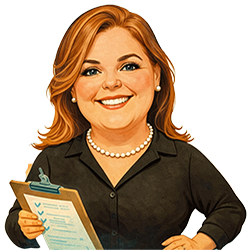 Viviana Laboy
vlaboy@305senior.com
786-326-0656
www.305Senior.com
Sometimes clarity begins with the right guidance.