
Why Miami’s Sudden Weather Changes Can Damage Roofing Systems Over Time
Roofs don’t fail overnight. They fail one temperature swing at a time.
– Karen Rodman

Temperature Stress
When Miami Weather Does the Unexpected
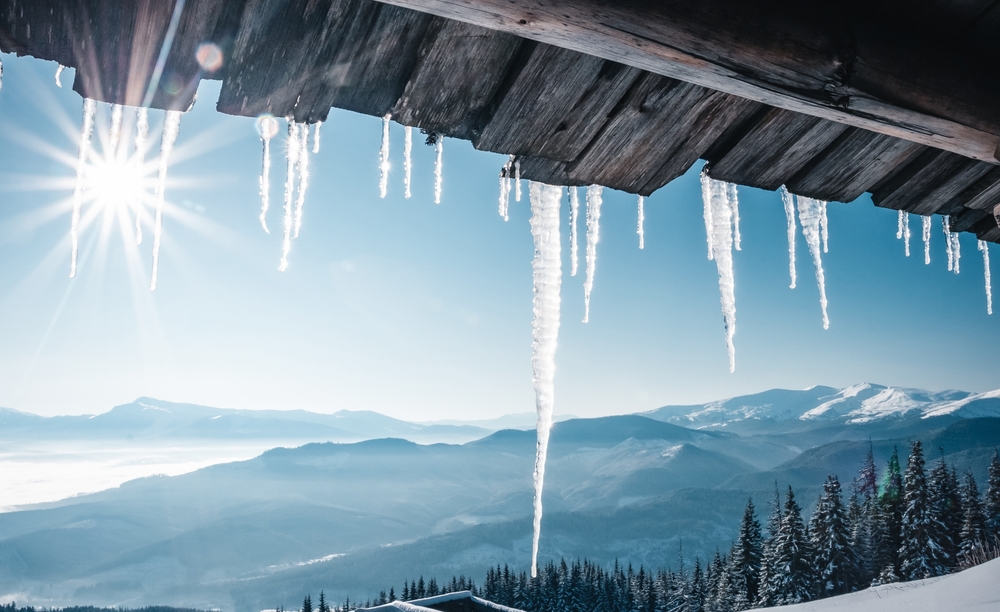
A temperature swing roof stress event happens when materials heat up, expand, cool down, and contract repeatedly. In Miami, we expect heat. What we don’t expect are cold snaps where temperatures drop into the 30s overnight and rebound quickly the next day. When that happens, roofs feel the stress immediately.
This is why heat expands, cold contracts, and over time, that movement can break roof seals, loosen fasteners, and expose weak points.
Why Roofs Move More Than You Think
Every roofing system is made of materials that respond to temperature. Shingles, tiles, membranes, metal, flashing, and sealants all expand in heat and contract in cold. This movement happens daily, but extreme temperature swings accelerate the process.
When materials move too much or too quickly, seals stretch, adhesives weaken, and joints separate. That movement is the root cause of many roof leaks that appear long after the weather event has passed.
What Temperature Swings Do to Roof Seals
Roof seals protect the most vulnerable areas of a structure. Flashing, penetrations, transitions, and seams rely on flexible materials to stay watertight. During a cold snap, those materials contract and stiffen. When temperatures rise again, they expand.
Repeated temperature swing roof stress causes sealants to crack, pull away, or lose adhesion. Once that happens, water finds its way in.
Why Miami Roofs Are More Vulnerable
South Florida roofing systems are designed for heat, sun, and heavy rain. They are not built with prolonged freezing conditions in mind. When rare cold weather hits, older roofs feel it first.
Homes and commercial buildings with aging materials, older sealants, or outdated installation methods often show damage weeks later. The roof did not fail during the cold snap. It failed because the materials could no longer handle the movement.
Flat Roofs and
Flat and low-slope roofs experience temperature swing roof stress differently. Roofing membranes contract in cold weather and expand when heated. That movement places stress on seams and attachment points.
If ponding water exists, cold temperatures can make the problem worse. As materials stiffen, seams become less forgiving. Small separations can grow into leaks once normal Miami heat returns.
Tile and Shingle Roof Movement
Tile and shingle roofs also move with temperature changes. Tiles can shift slightly as the underlayment contracts. Shingles may lose adhesion when seal strips harden in cold conditions.
Once temperatures rise again, the materials expand, but the seal may not recover. This is why cracked tiles, lifted shingles, and leaks often appear after extreme temperature changes, not during them.
Metal Roofs and Expansion Cycles
Metal roofing expands and contracts more than most materials. Proper installation accounts for this movement through fastening systems and expansion joints. When temperatures swing suddenly, poorly installed metal roofs can pull at fasteners or stress seams.
Over time, repeated expansion and contraction weaken connection points and increase the risk of leaks.
Why Problems Show Up Later
One of the most confusing aspects of temperature swing roof stress is timing. Damage often appears weeks after the weather event. Homeowners assume the roof is fine because nothing leaked immediately.
In reality, the cold snap created micro-failures. When heat returns, those failures open just enough to allow water intrusion during rain.
Inspections Matter After Extreme Weather
After any unusual temperature event in Miami, a roof inspection makes sense. A professional roofer looks for early signs of movement damage before leaks spread.
Catching issues early prevents interior damage, mold growth, and costly repairs. This applies to both residential homes and commercial buildings.
A Thought Worth Remembering
Benjamin Franklin once said, “An ounce of prevention is worth a pound of cure.” That applies directly to roofing. Understanding how heat and cold cause movement allows property owners to act before small issues become major problems.
Roofs are not static structures. They move every day. When heat expands materials and cold contracts them, stress builds. Over time, that movement breaks seals and exposes weaknesses. Miami’s rare cold snaps accelerate this process.
Knowing how temperature swing roof stress works helps homeowners and building owners protect their investment.
If your roof has experienced unusual temperature swings, now is the time to check it. Karen Rodman works with homeowners, builders, and commercial property managers to identify stress-related roofing issues before they turn into leaks.
Call Karen Rodman 305-264-3551
Email Karen Directly rodmanroofing@yahoo.com
Visit Rodman Roofing, Inc. – 12151 S.W. 128th Court, Unit 108, Miami, FL 33186