Select Page

Communities

Widgetized Area

This panel is active and ready for you to add some widgets via the WP Admin

Faith Communities in and around North Bay Village

North Bay Village and its surrounding areas offer a variety of places of worship, catering to diverse faith traditions. Here are some notable churches and temples in the vicinity:

Within North Bay Village:

  1. Ummah of Miami Beach
    • Address: 7904 West Dr, North Bay Village, FL 33141
    • Phone: 786-216-7035
    • Description: A local place of worship serving the Muslim community in North Bay Village.

Nearby Places of Worship:

  1. Calvary Chapel
    • Address: 7141 Indian Creek Dr, Miami Beach, FL 33141
    • Phone: 305-531-2730
    • Description: A Christ-centered, cross-focused church offering services and community programs.
  2. Temple Moses Sephardic Congregation of Florida
    • Address: 1200 Normandy Dr, Miami Beach, FL 33141
    • Phone: 305-861-6308
    • Description: A Sephardic Jewish congregation providing religious services and cultural events.
  3. Iglesia Jesus Es Rey
    • Address: 1133 71st St, Miami Beach, FL 33141
    • Phone: 305-867-7679
    • Description: A Christian church offering worship services and community outreach programs.
  4. St. Mary Magdalen Catholic Church
    • Address: 17775 N Bay Rd, Sunny Isles Beach, FL 33160
    • Phone: 305-931-0600
    • Description: A Catholic parish providing mass services and religious education.
  5. St. Bernard de Clairvaux Episcopal Church
    • Address: 16711 W Dixie Hwy, North Miami Beach, FL 33160
    • Phone: 305-945-1461
    • Description: An Episcopal church known for its historic architecture and spiritual services.
  6. St. Sophia Greek Orthodox Cathedral
    • Address: 2401 SW 3rd Ave, Miami, FL 33129
    • Phone: 305-854-2922
    • Description: A Greek Orthodox cathedral offering liturgical services and cultural events.
  7. New Revelation Alliance Church
    • Address: 11900 Biscayne Blvd, Miami, FL 33181
    • Phone: 305-893-8050
    • Description: A Christian church focusing on community service and spiritual growth.

These establishments reflect the rich tapestry of faith communities accessible to residents and visitors of North Bay Village, fostering spiritual growth and community engagement.
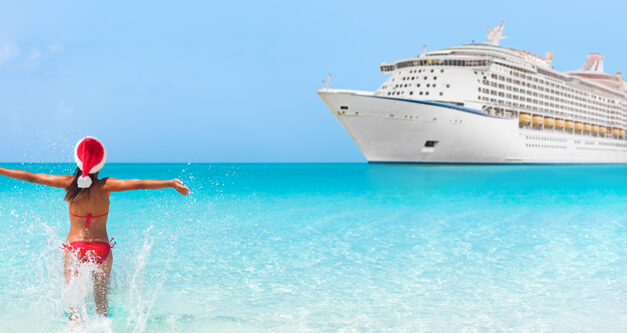

The Impact of the Cruise Industry on Miami’s Economy

Every ship that sails from Miami brings jobs, opportunity, and economic energy to the city
-Wilson Alvarez

The Impact of the Cruise Industry on Miami’s Economy
Miami is widely recognized as the “Cruise Capital of the World,” hosting some of the largest cruise lines, including Carnival Corporation, Royal Caribbean, and Norwegian Cruise Line. Beyond being a global tourism hub, the cruise industry plays a critical role in driving Miami’s economy, creating jobs, boosting tourism, and encouraging infrastructure growth.
Driving Job Creation
The cruise industry is a major employer in Miami, providing opportunities across multiple sectors, such as hospitality, transportation, logistics, and manufacturing. According to the Cruise Lines International Association, the cruise sector supports more than 200,000 jobs in Florida and generates over $9.7 billion in economic activity statewide. These jobs help sustain local families, support small businesses, and contribute to the overall economic well-being of the region.
Boosting Tourism and Local Business
Cruise passengers do more than board ships—they explore Miami. Before and after their cruises, travelers frequent beaches, restaurants, shops, and cultural attractions, injecting revenue into the city’s tourism industry. This increased visitor activity supports local businesses and fosters the growth of Miami’s hospitality and entertainment sectors.
Investment in Infrastructure
Miami’s prominence as a cruise hub has spurred significant investment in the Port of Miami. Recent renovations have expanded capacity to accommodate larger ships and more passengers, improving efficiency for the cruise industry. These upgrades also benefit shipping, logistics, and transportation industries, creating a positive ripple effect throughout Miami’s economy.
Environmental and Community Considerations
While the cruise industry brings substantial benefits, it also raises environmental and community concerns. Cruise ships generate waste and air pollution, which can impact local ecosystems and contribute to climate change. Additionally, the influx of visitors can put pressure on water, transportation, and city resources.
The good news is that the industry is taking action. Many cruise lines have adopted sustainable practices, such as using cleaner fuels, reducing waste, and supporting community initiatives. Examples include beach cleanups, educational programs, and charitable donations, demonstrating a commitment to both the environment and local residents.
Looking Ahead
The cruise industry will likely remain a key driver of Miami’s economic and cultural growth. Its impact extends beyond tourism—creating jobs, supporting businesses, and improving infrastructure. By continuing to balance economic growth with sustainability and community support, the cruise industry helps ensure that Miami remains a vibrant and thriving destination for both visitors and residents.

Read More

The Law of Intuition – Miami Style

The Law of Intuition is one of the 21 Irrefutable Laws of Leadership, as outlined in John C. Maxwell’s book “The 21 Irrefutable Laws of Leadership.” It states that leaders must rely on their intuition to make important decisions.
In Miami’s business history, a great example of the Law of Intuition can be seen in the story of Zumba Fitness.
Zumba Fitness was founded in Miami in the 1990s by Colombian dancer and choreographer, Alberto “Beto” Perez. The fitness program was a fusion of Latin and international music and dance, which quickly gained popularity in the Miami area.
Despite early success, Zumba Fitness faced a significant challenge in the early 2000s when the fitness industry was dominated by traditional forms of exercise, such as aerobics and weightlifting. To overcome this challenge, Beto relied on his intuition and made a bold decision to expand Zumba Fitness beyond Miami and into the global market.
Beto’s intuition proved to be spot on, as Zumba Fitness quickly became a global phenomenon with millions of followers in over 180 countries. Today, Zumba Fitness is one of the most recognizable fitness brands in the world.
The success of Zumba Fitness is a testament to the power of intuition in business. Beto’s intuition allowed him to recognize the potential of his unique fitness program and make a bold decision to expand globally, despite the risks involved.
Another example of the Law of Intuition in Miami’s business history is the success of Lennar Corporation.
Lennar Corporation was founded in Miami in 1954 by Leonard Miller and Arnold Rosen. The company initially focused on building homes for middle-class families in Miami, but eventually expanded to become one of the largest homebuilding companies in the United States.
One of the keys to Lennar Corporation’s success was its leaders’ reliance on intuition. The company’s leaders were known for their ability to make strategic decisions based on their intuition, which helped them to stay ahead of the competition and navigate through difficult times.
For example, during the 2008 financial crisis, Lennar Corporation’s leaders relied on their intuition and made a strategic decision to focus on building smaller homes and expanding into new markets, which helped the company weather the storm and emerge even stronger.
In conclusion, the Law of Intuition is a critical aspect of leadership and is essential for making important decisions in business. Leaders who rely on their intuition are better able to recognize opportunities and make strategic decisions that can lead to success. The stories of Zumba Fitness and Lennar Corporation demonstrate the power of intuition in achieving success in Miami’s business community.

Read More

Roberto Clemente, The Great One!

Retire#21
Roberto Clemente, known as “The Great One,” was not only an extraordinary baseball player but also a beloved humanitarian whose legacy continues to inspire generations. Each year on September 15th, Major League Baseball celebrates Roberto Clemente Day, honoring his life and contributions to the sport and society.
Born in Carolina, Puerto Rico, on August 18, 1934, Clemente grew up in a close-knit family with strong values. Throughout his life, he never forgot his roots, proudly representing Puerto Rico on the global stage. He moved to the United States when he joined the Pittsburgh Pirates, a team he played for his entire career. For 18 seasons, Clemente made Pittsburgh his home, endearing himself to the city and its people.
Clemente’s career was filled with incredible achievements, the pinnacle being his 3,000th hit, which came on September 30, 1972, at Three Rivers Stadium in Pittsburgh. That day, Clemente lined a double to left-center off Jon Matlack, a pitcher for the New York Mets. The crowd erupted in celebration, not just for the milestone but for the man who had meant so much to the game and the city. As one fan who was there recounted, the atmosphere was electrifying, and seeing Willie Mays walk across the field to personally congratulate Clemente added to the magic of the moment.
However, the night before, on September 29, 1972, the crowd had expected Clemente to get his 3,000th hit. He faced Tom Seaver, another great pitcher for the Mets, and many thought his final at-bat of the evening had secured the milestone. Clemente hit a sharp grounder to the second baseman, Ken Boswell, but it was ruled an error, postponing the celebration by one day. Fans who attended both games remember the emotional rollercoaster, but ultimately, Clemente’s 3,000th hit came in spectacular fashion.
Off the field, Roberto Clemente was known for his deep commitment to humanitarian efforts. He believed in giving back to those less fortunate, particularly in Latin America and his native Puerto Rico. Clemente was a man of action, and on December 31, 1972, while delivering aid to earthquake victims in Nicaragua, his life was tragically cut short when his plane crashed shortly after takeoff from San Juan. Clemente’s mission was to help people in desperate need, and he died doing what he believed in—serving others.
Clemente’s family, including his wife Vera Clemente, and their three sons—Roberto Jr., Luis, and Enrique—have carried on his legacy. Vera became a dedicated advocate for her late husband’s charitable work, ensuring that his legacy of compassion and kindness continued to touch lives. Clemente’s children, inspired by their father’s work, have taken on various roles in continuing his humanitarian efforts.
Roberto Clemente’s influence on the game of baseball extends far beyond his 3,000 hits, 12 Gold Glove awards, or his 15 All-Star selections. His style of play—graceful, powerful, and determined—made him a five-tool player, capable of hitting, fielding, throwing, running, and demonstrating power at the plate. One fan recalls watching Clemente patrol right field at Three Rivers Stadium, noting how his cannon-like arm and athletic ability made him a once-in-a-lifetime talent. He ran the bases with such intensity that another admirer described it as though “he was angry at the ground.”
Clemente’s legacy includes breaking barriers for Latin American players in Major League Baseball. He played during a time of racial segregation, where players of color faced enormous challenges. Clemente’s thick Puerto Rican accent was often mocked by the press, but he never let this disrespect deter him. He stood proud as an ambassador for his people, using his platform to speak out against injustice. When Black players were denied basic accommodations at hotels during spring training, Clemente fought for equal treatment, refusing to accept food from restaurants that denied him service.
A hero to many, Clemente’s humanitarian spirit continues to resonate. As one fan poignantly put it, “The world needs more Roberto Clementes.” His compassion and commitment to justice made him more than just a sports icon; they made him a global symbol of humility and service. Many agree that it’s long overdue for Major League Baseball to retire his number 21 across the league, just as Jackie Robinson’s 42 has been retired. The call to #Retire21 has only grown louder with time, and for many, it’s the ultimate way to honor Clemente’s contributions to baseball and humanity.
Clemente’s accomplishments on the field, including his two World Series championships, where he shone as a clutch performer, pale in comparison to his impact off the field. He left behind a legacy of selflessness and integrity, forever enshrined in the hearts of baseball fans worldwide. One fan summed it up best: “Legends never die,” and Roberto Clemente, a true legend, continues to inspire new generations of players and fans with his remarkable story.
Clemente is remembered not just for his talents as a player but for his humanity. Whether you knew him as the man who made impossible throws from right field, the ambassador who represented Puerto Rico with pride, or the humanitarian who gave his life for others, one thing is clear: Roberto Clemente was, and always will be, The Great One.

Read More

Embracing Diversity and Inclusion in Your Miami Business

Miami is known for its diverse and inclusive culture, and businesses in this city have a unique opportunity to embrace diversity and inclusion as a core value. By doing so, businesses can create a more welcoming and productive workplace, attract top talent, and build a strong brand reputation. In this blog, we’ll explore why diversity and inclusion are so important for Miami businesses, and how you can foster a more inclusive culture in your own organization.
Diversity and inclusion are essential for any business that wants to succeed in today’s global marketplace. Miami is a melting pot of cultures, with residents from all over the world coming together to live, work, and play. By embracing diversity and creating an inclusive workplace culture, businesses can tap into this diverse talent pool and benefit from a wider range of perspectives, ideas, and experiences. This can lead to more innovative solutions, better decision-making, and increased employee engagement and retention.
But it’s not just about tapping into a diverse talent pool – it’s also about creating a workplace culture where everyone feels valued, respected, and included. This can be challenging, especially if you’re dealing with unconscious bias or other barriers to inclusion. However, there are some strategies that can help you create a more inclusive culture in your business.
One key strategy is to educate yourself and your team about diversity and inclusion. This might involve attending workshops or training sessions, reading books and articles, or simply having open and honest conversations with your colleagues. By increasing your understanding of different cultures and perspectives, you can create a more inclusive environment where everyone feels heard and respected.
Another important strategy is to actively seek out diverse perspectives when making decisions or solving problems. This might involve forming cross-functional teams with people from different backgrounds, or seeking input from employees at all levels of the organization. By incorporating diverse perspectives into your decision-making process, you can make better decisions and build a stronger, more innovative organization.
Finally, it’s important to create a culture where everyone feels comfortable speaking up and sharing their ideas. This might involve creating open-door policies, hosting regular town hall meetings, or simply encouraging your team to speak up and share their opinions. By creating a culture of openness and transparency, you can create a more collaborative and inclusive workplace where everyone feels valued and heard.
In conclusion, embracing diversity and inclusion is essential for Miami businesses that want to thrive in today’s global marketplace. By creating an inclusive culture where everyone feels valued and respected, businesses can attract top talent, foster innovation, and build a strong brand reputation. While it can be challenging at times, there are some strategies that can help you create a more inclusive workplace culture. By educating yourself and your team, seeking out diverse perspectives, and creating a culture of openness and transparency, you can create a workplace where everyone feels welcome and included.

Read More

The Top 5 Most Walkable Miami Neighborhoods

The Top 5 Most Walkable Miami Neighborhoods
Miami is known for its sunny weather, vibrant culture, and stunning beaches, but did you know that it is also home to some of the most walkable neighborhoods in the country? Living in a walkable neighborhood means that daily errands, such as grocery shopping, running errands, and commuting, can all be done on foot, which can make for a healthier, more sustainable, and enjoyable lifestyle. In this blog post, we’ll take a closer look at the top five most walkable neighborhoods in Miami.
South Beach: Known for its Art Deco architecture, world-renowned beaches, and bustling nightlife, South Beach is also one of the most walkable neighborhoods in Miami. With a Walk Score of 96, South Beach is home to numerous cafes, restaurants, and shops, as well as a variety of cultural institutions such as the Miami Beach Botanical Garden and the Bass Museum of Art.
Downtown Miami: As the heart of Miami’s business and cultural center, Downtown Miami is another highly walkable neighborhood. With a Walk Score of 94, residents can enjoy easy access to shopping, dining, and entertainment options, as well as cultural institutions such as the Perez Art Museum and the Adrienne Arsht Center for the Performing Arts.
Coral Gables: Known for its Mediterranean Revival architecture and lush landscaping, Coral Gables is a charming, walkable neighborhood that offers a tranquil respite from the hustle and bustle of the city. With a Walk Score of 89, Coral Gables is home to numerous parks and gardens, as well as a variety of shops and restaurants.
Brickell: As Miami’s financial district, Brickell is a bustling neighborhood that is also highly walkable. With a Walk Score of 88, Brickell is home to numerous high-end restaurants and shops, as well as cultural institutions such as the Miami Tower and the Brickell City Centre.
Little Havana: With its vibrant street life, colorful murals, and rich cultural heritage, Little Havana is a must-visit neighborhood for anyone interested in Miami’s history and culture. With a Walk Score of 87, residents can enjoy easy access to numerous cafes, restaurants, and shops, as well as cultural institutions such as the Tower Theater and the Cubaocho Museum and Performing Arts Center.
In conclusion, Miami offers a variety of walkable neighborhoods that provide residents with easy access to numerous amenities, cultural institutions, and entertainment options. Whether you’re looking for a vibrant nightlife scene or a tranquil respite from the city, Miami has a neighborhood that is perfect for you.


Read More