Select Page

Communities

Widgetized Area

This panel is active and ready for you to add some widgets via the WP Admin

Faith Communities in and around North Bay Village

North Bay Village and its surrounding areas offer a variety of places of worship, catering to diverse faith traditions. Here are some notable churches and temples in the vicinity:

Within North Bay Village:

  1. Ummah of Miami Beach
    • Address: 7904 West Dr, North Bay Village, FL 33141
    • Phone: 786-216-7035
    • Description: A local place of worship serving the Muslim community in North Bay Village.

Nearby Places of Worship:

  1. Calvary Chapel
    • Address: 7141 Indian Creek Dr, Miami Beach, FL 33141
    • Phone: 305-531-2730
    • Description: A Christ-centered, cross-focused church offering services and community programs.
  2. Temple Moses Sephardic Congregation of Florida
    • Address: 1200 Normandy Dr, Miami Beach, FL 33141
    • Phone: 305-861-6308
    • Description: A Sephardic Jewish congregation providing religious services and cultural events.
  3. Iglesia Jesus Es Rey
    • Address: 1133 71st St, Miami Beach, FL 33141
    • Phone: 305-867-7679
    • Description: A Christian church offering worship services and community outreach programs.
  4. St. Mary Magdalen Catholic Church
    • Address: 17775 N Bay Rd, Sunny Isles Beach, FL 33160
    • Phone: 305-931-0600
    • Description: A Catholic parish providing mass services and religious education.
  5. St. Bernard de Clairvaux Episcopal Church
    • Address: 16711 W Dixie Hwy, North Miami Beach, FL 33160
    • Phone: 305-945-1461
    • Description: An Episcopal church known for its historic architecture and spiritual services.
  6. St. Sophia Greek Orthodox Cathedral
    • Address: 2401 SW 3rd Ave, Miami, FL 33129
    • Phone: 305-854-2922
    • Description: A Greek Orthodox cathedral offering liturgical services and cultural events.
  7. New Revelation Alliance Church
    • Address: 11900 Biscayne Blvd, Miami, FL 33181
    • Phone: 305-893-8050
    • Description: A Christian church focusing on community service and spiritual growth.

These establishments reflect the rich tapestry of faith communities accessible to residents and visitors of North Bay Village, fostering spiritual growth and community engagement.


Condo and HOA Lease Restrictions in Florida: What Associations Can and Cannot Enforce


Condo and HOA Lease Restrictions in Florida: What Associations Can and Cannot Enforce

Provided by Perez Mayoral, P.A. – Florida attorneys representing homeowners and condo owners in disputes with their associations
If you own a condominium or a home in an HOA community in Florida, you may have received a letter from your board saying something like this:

“The association has amended its rental restrictions. All units are now subject to the new rules.”
“You cannot rent your property for less than one year.”
“Rental applications are no longer being approved.”

Many owners assume the board has unlimited authority to change the rules. That assumption is wrong.
Florida law treats leasing rights as vested property rights that cannot be taken away retroactively without your consent, except in very limited circumstances. Associations frequently misapply these statutes, enforce restrictions that don’t legally apply to existing owners, or selectively enforce rules in ways that violate the law.
This guide explains how condominium and HOA lease restrictions actually work under Florida law, what associations can and cannot do, and what your rights are if your board is trying to block you from renting your property.
Why Lease Restrictions Are Heavily Regulated in Florida
Lease restrictions directly affect:

Your property value
Your financing options
Your ability to use or monetize your property
Your rights as an owner

Because of that significant impact, the Florida Legislature has placed strict guardrails on how and when associations may limit leasing. These aren’t just “use rules” that boards can change at will—they’re restrictions on fundamental ownership rights.
When you purchased your property, you acquired certain rights based on the governing documents in effect at that time. Florida law protects those rights from being retroactively eliminated by amendments passed after you became an owner.
Condominium Lease Restrictions: Florida Statute 718.110(13)
Condominium rental restrictions are governed by Florida Statute 718.110(13).
This statute applies when a condominium association adopts an amendment that:

Prohibits unit owners from renting their units
Alters the duration of a rental term (e.g., imposes minimum lease periods)
Specifies or limits how often a unit may be rented during a specified period

The Statute Is Crystal Clear
These types of amendments apply only to:

Unit owners who consent to the amendment, and
Unit owners who acquire title to their units after the effective date of the amendment

What This Means for You
If you owned your condominium unit before the rental restriction was adopted and you did not consent to it, the restriction generally cannot be enforced against you.
This protection is broad. It applies to:

Complete rental bans
Minimum lease terms (e.g., “no rentals shorter than one year”)
Caps on the number of rentals per year
Any other limitation on your ability to lease

Associations cannot retroactively rewrite the ownership rights that existed when you purchased your unit.
Consent Must Be Actual Consent
This is a critical issue that associations frequently get wrong.
The following do NOT constitute consent:

Paying your assessments
Complying with other unrelated rules
Remaining silent when the amendment was passed
Not objecting at a board meeting

Whether an owner actually consented is a fact-specific and legally significant question. Many disputes turn on this precise issue.
Florida Statute 718.110(13) is one of the strongest owner protections in condominium law—and it is frequently ignored or misapplied by boards and management companies.
HOA Lease Restrictions: Florida Statute 720.306(1)(h)
Homeowners associations operate under a different statute with a more complex framework.
Florida Statute 720.306(1)(h) applies to governing documents and amendments enacted after July 1, 2021.
The General Rule for HOAs
The general rule mirrors the condominium statute:
Any HOA governing document or amendment that prohibits or regulates rental agreements applies only to:

Parcel owners who acquire title after the effective date, or
Parcel owners who consent to the amendment

But HOAs Have Two Specific Exceptions
Unlike condominiums, HOAs are permitted to adopt certain rental restrictions that apply to all owners, including those who owned their property before the amendment.
An HOA may amend its governing documents to:

Prohibit rental agreements for a term of less than six months
Prohibit renting a parcel more than three times in a calendar year

These two restrictions—and only these two—may be applied retroactively to all parcel owners.
What HOAs Cannot Do Retroactively?
These are narrow exceptions. Associations frequently overreach by attempting to impose broader restrictions under the guise of this statute.
Florida law does NOT allow HOAs to retroactively impose:

Total rental bans
Minimum lease terms longer than six months (e.g., one-year minimums)
Caps stricter than three rentals per year
Any additional rental limitations beyond what the statute expressly authorizes

If your HOA is trying to enforce restrictions beyond these two specific categories against owners who purchased before the amendment, they are likely exceeding their statutory authority.
Small HOA Exception
The statute also preserves separate amendment restrictions for associations with 15 or fewer parcels under Florida Statute 720.303(1). These smaller associations operate under different rules, and boards often overlook or misunderstand how those provisions affect their amendment authority.
What Counts as a “Change of Ownership”?
Associations often argue that rental restrictions apply because there was a “change of ownership.” Florida law carefully defines when that is true and when it is not.
A Change of Ownership Does NOT Occur When:

A parcel is conveyed to an affiliated entity
Beneficial ownership of the parcel does not change
An heir becomes the parcel owner

Affiliated entities include:

Entities that control, are controlled by, or are under common control with the parcel owner
Successor or parent entities created through merger, reorganization, or similar transactions

In these situations, your protected status typically remains intact, provided proper certification is supplied to the association.
A Change of Ownership DOES Occur When:
For business entity owners, a change of ownership occurs when every person who owned an interest in the real property at the time the amendment was enacted conveys their interest to an unaffiliated entity.
Why This Matters
These distinctions are especially important for:

Real estate investors
Estate planning transfers
Entity-owned properties (LLCs, trusts, corporations)

Many owners are incorrectly told they’ve lost their grandfathered status when they transfer property to a family trust, LLC, or heir. In many cases, Florida law protects those transfers.
Common Errors Associations Make With Lease Restrictions
In practice, associations frequently:

Apply new rental restrictions to all owners, regardless of purchase date
Treat silence as consent
Deny leases based on rules that do not lawfully apply to existing owners
Impose restrictions broader than the statute allows (especially common in HOAs)
Ignore affiliated entity and inheritance protections
Enforce restrictions selectively or inconsistently

Each of these issues can expose an association to:

Legal challenges
Injunctive relief requiring them to approve your lease
Liability for your attorneys’ fees under Florida’s prevailing party statutes

What You Should Do If Your Association Denies Your Lease Application

Determine When You Acquired Title

The key question is: Did you own your property before the rental restriction was enacted?
If yes, the restriction likely doesn’t apply to you (with the two limited HOA exceptions noted above).

Review the Exact Language of the Amendment

Get a copy of:

The recorded amendment creating the rental restriction
The effective date of that amendment
Your deed and closing documents showing when you acquired the title

Determine Whether You Ever Consented

Review whether you:

Voted in favor of the amendment
Signed a written consent or waiver
Took any affirmative action agreeing to the restriction

Remember: Silence, paying assessments, and general compliance are NOT consent.

Understand Your Entity Status (If Applicable)

If you own through an LLC, trust, or corporation:

Determine whether any transfers were to affiliated entities
Gather documentation showing continuity of beneficial ownership
Prepare certifications as required by statute

Respond in Writing

Do not let the association’s denial go unchallenged. Respond in writing:

Cite the specific statute (718.110(13) for condos; 720.306(1)(h) for HOAs)
State when you acquired the title
State that you did not consent
Demand approval of your lease application
Keep copies of everything

Do Not Sign Waivers or Settlements Without Legal Review

Associations sometimes offer to “grandfather” you in exchange for signing documents that waive future rights or impose additional conditions. Get legal advice before signing anything.
How We Handle Lease Restriction Disputes
At Perez Mayoral, P.A., we represent homeowners and condominium unit owners only. We do not represent HOAs or condominium associations.
When lease restriction disputes arise, we focus on:

The timing of your ownership
The effective date of the amendment
Whether valid consent exists
Statutory compliance
The precise language of the governing documents

Many disputes turn not on whether a board prefers a restriction, but on whether it can lawfully enforce that restriction against a particular owner.
We regularly challenge:

Improper denials of lease applications
Retroactive application of rental restrictions
Selective enforcement that violates Florida law
Fines and penalties imposed for lawful leasing activity

Key Legal Takeaways for Florida Owners

Rental rights are vested property rights, not privileges. They cannot be taken away by rule changes applied after you purchased, except in very limited circumstances defined by statute.
For condominiums, section 718.110(13) provides broad protection. If you owned before the amendment and didn’t consent, rental restrictions generally cannot be enforced against you.
For HOAs, section 720.306(1)(h) has two narrow exceptions. HOAs can retroactively impose six-month minimum lease terms and three-rental-per-year caps, but nothing more restrictive.
Consent must be actual, affirmative consent. Silence is not consent. Paying assessments is not consent.
Transfers to affiliated entities, heirs, and certain family trusts do not trigger a change of ownership that would subject you to new restrictions.
Selective or inconsistent enforcement violates Florida law and can form the basis for legal challenges.
Associations that wrongfully deny leases can be liable for your attorneys’ fees if you prevail in court.

Final Thoughts
Rental rights are not a courtesy granted by an association. In Florida, there are protected property rights that cannot be taken away by rule changes applied after the fact, except in very limited circumstances defined by statute.
If your association is attempting to prohibit or restrict leasing, understanding whether the restriction lawfully applies to you is the first step. Many owners are told they have no options when, legally, they do.
Don’t let your board violate your rights or mislead you about what Florida law allows. If you’re facing a lease restriction dispute, we can help you understand your rights and fight for them.
Need Help?
If your association is attempting to block you from renting your property and you believe the restriction doesn’t legally apply to you, Perez Mayoral, P.A. can help.
We represent homeowners and condo owners throughout Florida in disputes with their associations, including challenges to unlawful lease restrictions, wrongful denials of rental applications, and selective enforcement.
Contact us:
🌐 Website: www.pmlawfla.com📞 Phone: 305-928-1077✉️ Email: info@pmlawfla.com
This guide is for informational purposes and does not constitute legal advice. Every case is different, and you should consult with an attorney about your specific situation.

Read More

Financial Security Tips for Seniors

Your Local Matchmaker to All Things for Seniors

Practical Guidance for Protecting Your Future in Miami-Dade

Financial Security Tips for Seniors
Financial security looks different after retirement.
For many seniors in Miami-Dade, the focus shifts from building wealth to preserving financial stability. Rising healthcare costs, inflation, and long-term care considerations make financial awareness increasingly important.
This article is for educational purposes only and is not financial or legal advice.

Why Financial Awareness Matters in Retirement
Direct Answer: Financial security tips for seniors emphasize awareness of income protection, fraud prevention, healthcare planning, and working with licensed professionals during retirement.
Retirement income is often fixed.
Social Security, pensions, and savings must be managed carefully over time. Because every situation is different, decisions regarding investments, insurance, or estate planning should always be made with properly licensed professionals.

Fraud Awareness for Seniors
Older adults are frequently targeted by financial scams.
Common examples include:

Medicare fraud

Investment solicitation scams

Phone impersonation schemes

Phishing emails

According to the Federal Trade Commission (FTC), older adults report billions in fraud losses annually.(Source: https://consumer.ftc.gov)
Seniors should verify any financial request directly with trusted professionals before responding.

Understanding Long-Term Care Costs
Long-term care services may include:

Home health support

Assisted living

Memory care

Skilled nursing facilities

Costs vary widely.
Seniors considering long-term care planning should consult licensed insurance professionals, financial advisors, or elder law attorneys to explore appropriate options for their situation.
305Senior does not provide insurance or financial planning services.

Reviewing Estate Planning Documents
Financial clarity often includes reviewing documents such as:

Wills

Trusts

Durable powers of attorney

Healthcare directives

Beneficiary designations

Only licensed Florida attorneys can provide legal advice or draft estate planning documents.

Investment Considerations
Investment decisions during retirement vary based on individual goals, risk tolerance, and income needs.
Seniors should consult registered financial advisors or licensed professionals when reviewing portfolios or making changes to financial strategies.
305Senior does not provide investment advice.

The Emotional Side of Financial Security
Money represents independence and dignity.
Seeking professional guidance is not a weakness. It is a responsible step toward informed decision-making.
Working with qualified professionals can help reduce uncertainty and provide clarity.

How 305Senior Supports Financial Awareness
305Senior is an independent informational and referral platform.
We do not provide:

Financial advice

Investment management

Insurance brokerage services

Legal services

Instead, we help connect seniors in Miami-Dade with licensed professionals such as:

Registered financial advisors

Elder law attorneys

Insurance agents

Medicare specialists

All services are delivered independently by those licensed providers.

Referral Transparency
305Senior may receive marketing or advertising compensation from certain professional partners.
These arrangements:

Do not involve financial product sales by 305Senior

Do not involve commission sharing on investments

Do not create fiduciary relationships

Do not increase costs for seniors

All professional advice remains the responsibility of the licensed provider.

Disclaimer
305Senior is not a financial advisory firm, insurance agency, or law firm. Information provided is for educational purposes only. No financial, legal, or fiduciary relationship is created through this platform.

If you would like assistance locating licensed financial or legal professionals in Miami-Dade, contact:
Viviana Laboy
vlaboy@305senior.com
786-326-0656
www.305Senior.com
Sometimes clarity begins with the right guidance.


Legal Notice, Professional Boundaries & Terms of Use

Read More

Why Roofing Bids Are Rarely Apples to Apples

A roof is not priced by square footage alone, but by the standards behind it.
– Karen Rodman
TL:DR – Not all roofing bids are equal. Differences in materials, workmanship, safety standards, and code compliance can significantly impact price and long-term performance. Understanding what goes into a proposal helps homeowners and businesses make informed decisions that protect their investment.

A Question I Hear Often
One of the most common questions I’m asked is why roofing bids can vary so widely. Homeowners and commercial property managers will often place proposals side by side and wonder why one number is much lower than another. On the surface, the work may appear the same. In reality, it rarely is.
Experience Brings Perspective
I’ve been involved in the roofing industry for decades, working alongside my father and leading Rodman Roofing for many years. During that time, I’ve seen roofs fail not because of age, but because of shortcuts taken at the beginning. Those experiences shape how we approach every project today.
Roofing Is Not a Commodity
Roofing is sometimes treated like a simple transaction. Remove the old roof, install a new one, move on. But a roof is a system, not a product. Each layer, fastening method, and material choice affects how that system performs over time, especially in South Florida’s extreme climate.
Materials Make a Difference
One of the biggest differences between bids is the materials specified. Roofing products vary in thickness, wind ratings, waterproofing capabilities, and manufacturer warranties. Lower proposals often use materials that meet minimum requirements, while higher-quality systems exceed them. That difference may not be obvious on bid day, but it becomes clear during heavy rain or hurricane winds.
Workmanship Is the Foundation
Even the best materials can fail if they are not installed correctly. Proper fastening patterns, correct overlaps, sealed penetrations, and attention to roof edges all matter. These details take time, training, and experience. Quality workmanship is not rushed, and it cannot be discounted without consequence.
Code Compliance Is Not Optional
Florida’s building codes exist for a reason. They are designed to protect lives and property. At Rodman Roofing, every project is completed with permits, inspections, and full compliance. This process adds cost, but it also adds accountability. When a roof meets code, it stands a better chance of withstanding storms and avoiding future issues.
Safety and Responsibility Matter
Another difference between bids lies in how companies operate behind the scenes. Licensed crews, insurance coverage, safety programs, and drug-free workplace policies all contribute to a safer job site. These practices protect homeowners, building owners, and workers alike. They are essential, but they are not free.
Short-Term Savings Can Become Long-Term Costs
A lower price can feel like a win in the moment. However, many property owners call us years later to fix leaks, address premature wear, or correct improper installations. By then, the original savings are often gone, replaced by repair costs and frustration. A roof should be an investment, not a recurring expense.
Residential and Commercial Projects Alike
Whether the project is a family home or a commercial building, the principles remain the same. Quality materials, skilled labor, and proper planning protect what matters inside. For businesses, that includes operations, inventory, and employees. For homeowners, it includes comfort, safety, and peace of mind.
Our Philosophy Has Always Been Clear
We understand that we will not win every bid, and that is okay. Our responsibility is to provide honest proposals that reflect the scope, materials, and workmanship required to do the job correctly. Compromising standards to meet a number is not something we are willing to do.
A Thought Worth Remembering
Architect and designer Buckminster Fuller once said, “You never change things by fighting the existing reality. To change something, build a new model that makes the existing model obsolete.” In roofing, that means raising the standard, not lowering it. Quality work becomes the benchmark others follow.
When reviewing roofing proposals, look beyond the bottom line. Ask questions about materials, installation methods, warranties, permits, and safety practices. A well-built roof protects your property long after the paperwork is signed.
If you’re looking for a roofing proposal built on experience, integrity, and long-term value, we would be honored to earn your trust. Contact Rodman Roofing to schedule a consultation and receive a proposal you can rely on.
Call Karen Rodman 305-264-3551
Email Karen Directly rodmanroofing@yahoo.com
Visit Rodman Roofing, Inc. – 12151 S.W. 128th Court, Unit 108, Miami, FL 33186

Read More

How to Challenge Unfair Assessments from Your HOA or Condo Association

A fair assessment protects a community. An unfair one threatens it.”
– Erik Perez

TL:DR – Unfair HOA or condominium assessments can create sudden financial pressure for Florida homeowners. But the law provides clear rights and protections. You can request documentation, challenge the charge, and dispute assessments that were not properly approved or justified. Perez Mayoral, P.A. helps homeowners push back when associations go too far.
When an Assessment Doesn’t Feel Right
Most homeowners understand that assessments are part of shared living. They help maintain the property, keep amenities functional, and ensure the community stays safe and well-managed. But sometimes that system breaks down.
You may receive a notice that seems unusually high. You may not understand why the money is needed. Or you may suspect that the board didn’t follow the proper procedures before issuing it.
If something feels off, that feeling is worth paying attention to. In Florida, assessments must be reasonable, transparent, and tied to legitimate community needs. When they are not, you have the right to challenge them.
What Makes an Assessment Unfair?
Not all assessments are improper, but certain warning signs should immediately catch your attention. Many homeowners experience issues such as:
• Sudden, unexplained increases• Lack of required notice before approval• No access to the records supporting the amount• Assessments used for projects never discussed or approved• Charges that appear to target specific homeowners• Emergency assessments declared without true emergencies
Florida law is clear: assessments must be based on legitimate expenses, approved correctly, and supported by financial records.
If your board cannot clearly explain the purpose and calculation of an assessment, that is a red flag worth addressing.
Your Rights Under Florida Law
Homeowners have more rights than most realize. Under the Florida Homeowners’ Association Act (Chapter 720) and Florida Condominium Act (Chapter 718), you are entitled to:
• Review financial records related to the assessment• Receive proper notice before a vote or approval• Question how funds are being allocated• Dispute assessments that were not legally authorized• Seek legal remedies if the board acted outside its authority
These statutes were written to protect homeowners from financial strain caused by poor governance or improper board actions. You do not have to accept an assessment simply because it appeared in your mailbox.
How to Challenge an Unfair Assessment
Challenging an assessment does not need to be confrontational. It begins with a simple request for clarity. Here’s the general process:
Step 1: Request Documentation
You have the right to see the records that justify the assessment. This includes budgets, contractor estimates, invoices, and reserve studies. If the board avoids providing them, that alone signals a potential violation.
Step 2: Compare the Assessment to Legal Requirements
Florida law dictates how assessments must be approved. If the board skipped a required vote or failed to notify owners, the assessment may be invalid.
Step 3: Put Your Objection in Writing
Formal communication creates a record of your challenge and forces the board to respond appropriately.
Step 4: Seek Legal Guidance
When a board refuses to comply or continues to enforce an improper charge, it is time for professional support. This not only protects your rights but prevents escalation into liens or foreclosure risks.
Perez Mayoral, P.A. regularly helps homeowners challenge unlawful assessments and ensures associations follow the law—not their personal preferences.
Why These Issues Matter
An assessment may seem like a simple financial request, but for many families, retirees, and single-income households, it can be a major burden. Improper assessments can create stress, disrupt financial planning, and even threaten long-term stability.
More importantly, unfair assessments break trust. When boards operate without transparency, the community loses confidence in its leadership. Challenging an assessment is not just about one charge. It is about protecting your rights and the integrity of your home.

“In matters of truth and justice, there is no difference between large and small problems.” — Albert Einstein

This quote reflects the heart of the issue. An assessment may seem like a small administrative decision, but when mishandled, it becomes a matter of fairness, accountability, and legal protection.
You do not have to accept an assessment that feels excessive, unexplained, or improperly approved. Florida law gives every homeowner strong protections. Use them. When an association oversteps, you have every right to push back.
If you’ve received an assessment that doesn’t seem lawful or fair, Perez Mayoral, P.A. can help you challenge it. Protect your home and your financial well-being.
305.928.1077eperez@pmlawfla.com

Read More

Annual Customer Appreciation at Jensen’s Liquors

Annual Customer Appreciation at Jensen’s Liquors #1
A Miami Tradition of Gratitude, Community, and Exceptional Wine

TL;DR
Jensen’s Liquors #1 celebrated its annual customer appreciation event today, showcasing Eddie Cruz’s unmatched hospitality and the vibrant Miami community he has cultivated for years. With wine tastings led by Ojalá Wines, enthusiastic vendors, and a steady flow of loyal customers, the event reflected exactly why Jensen’s remains one of Miami’s most beloved liquor destinations: exceptional service, genuine relationships, and a tradition that grows stronger year after year.
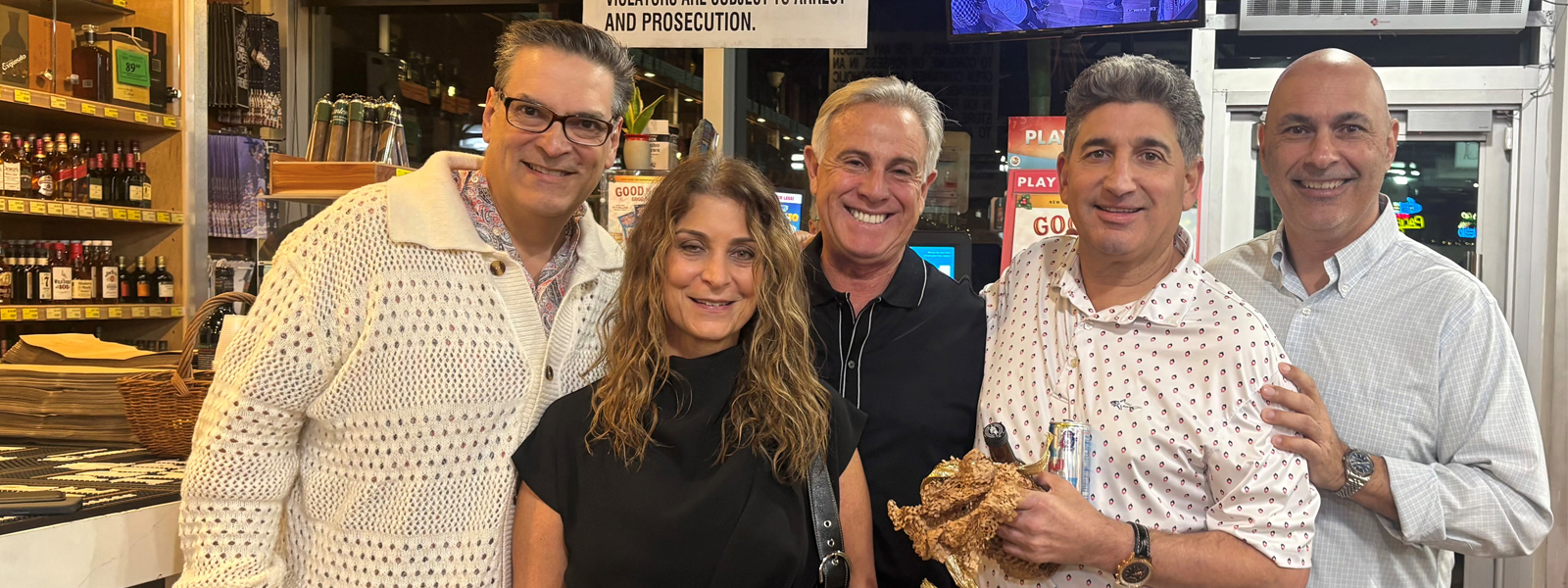
Few places in Miami can pack this much warmth into one early evening. It was December 11th, 2025, the day of the annual customer appreciation event at Jensen’s Liquors #1 on SW 27th Avenue and 16th Street.  It felt less like a store gathering and more like a neighborhood reunion—one built on loyalty, hospitality, and decades of relationships.
A Tradition Rooted in Gratitude
From the moment you walked in, the focus keyphrase — Jensen’s Liquors customer appreciation event — came to life. The aisles were busy, not chaotic. Familiar faces were everywhere, and the atmosphere had that unmistakable Little Havana energy: lively, warm, and full of heart.
And at the center of it all was owner Eddie Cruz, greeting guests with the kind of genuine warmth you can’t manufacture. Eddie doesn’t just run a liquor store—he cultivates a community. Watching him welcome long-time customers made it clear: these relationships weren’t built overnight. They were built bottle by bottle, thank-you by thank-you, year after year.
Why Customers Keep Coming Back
Customers return to Jensen’s Liquors because owner Eddie Cruz creates personal, lasting relationships grounded in trust, gratitude, and exceptional customer service.
Eddie’s approach is simple: treat every customer like family. That philosophy was on full display today as regular shoppers stepped in to buy their usual items—only to stay a little longer, chat, and celebrate with Eddie. Even during the festivities, the store never stopped moving. Business continued, and so did the conversations.
It’s rare to see a store busy with both celebration and commerce, yet completely balanced. That’s what true customer loyalty looks like.
Ojalá Wines: Handcrafted Passion in Every Bottle
One of the highlights of today’s event was the presence of Ace Cruz, proudly representing Ojalá Wines. He shared the story behind the brand with enthusiasm that matched the quality inside every bottle.
Ojalá Wines stands out because of its heart:

Hand-selected grapes from biodiverse regions in California’s Central Coast

A commitment to handcrafted wine-making

Sustainable growing practices rooted in environmental stewardship

A socially conscious mission supporting at-risk youth

And above all—quality wines at an everyday price

Ace guided guests through tastings of their Cabernet Sauvignon, Merlot, Chardonnay, and White Zinfandel, explaining how each vintage is aged, blended, and cared for. The wines were smooth, memorable, and accessible—exactly what the Ojalá brand stands for.
Their philosophy aligns perfectly with today’s event: keep it simple, keep it excellent, and keep it meaningful.
Industry Roots That Run Deep: Pete Fernandez & Bartender In A Box
Another familiar face at today’s celebration was Pete Fernandez, a long-time business friend of both Eddie Cruz and the entire Jensen’s Liquors family. Pete has been connected to Jensen’s since 1992, back when he first worked with Bacardi USA—a partnership built on trust, consistency, and years of collaboration.
Today, Pete brings new energy as Co-Founder of Bartender In A Box, an exciting brand launching across the United States. He shared his enthusiasm about its national rollout, and guests could feel the momentum behind it. Pete’s journey mirrors the spirit of Jensen’s: relationships matter, authenticity matters, and longevity is earned—not given.
His presence today was a reminder that Jensen’s is more than a store—it’s an industry hub where long-time partners evolve, grow, and return to celebrate together.
A Celebration of Community
This event wasn’t just about wine or the holiday season—it was about saying thank you. Jensen’s Liquors has hosted this annual celebration for years, but today felt particularly special. Maybe it was the holiday spirit. Maybe it was Ace’s energy and Ojalá’s tastings. Maybe it was the constant flow of loyal customers who stopped by simply because this is their place.
But more than anything, it was the unmistakable feeling that Jensen’s Liquors is part of the fabric of Miami life.
Quote That Captures the Day

“People will forget what you said, people will forget what you did, but people will never forget how you made them feel.” — Maya Angelou

Eddie embodies this truth every day. And today, surrounded by customers who feel like family, it showed more than ever.
The heart of a business is not its inventory—it’s its people. And Eddie Cruz proves that when you invest in relationships, customers become community.
If you haven’t visited Jensen’s Liquors #1, now is the perfect time. Stop by, meet Eddie, explore Ojalá Wines, learn about Bartender In A Box, and experience the kind of customer service that keeps Miami coming back year after year.
Eddie Cruz can be reached at 305-442-0804

Read More