
Select Page

Communities

Widgetized Area

This panel is active and ready for you to add some widgets via the WP Admin

Faith Communities in and around North Bay Village

North Bay Village and its surrounding areas offer a variety of places of worship, catering to diverse faith traditions. Here are some notable churches and temples in the vicinity:

Within North Bay Village:

  1. Ummah of Miami Beach
    • Address: 7904 West Dr, North Bay Village, FL 33141
    • Phone: 786-216-7035
    • Description: A local place of worship serving the Muslim community in North Bay Village.

Nearby Places of Worship:

  1. Calvary Chapel
    • Address: 7141 Indian Creek Dr, Miami Beach, FL 33141
    • Phone: 305-531-2730
    • Description: A Christ-centered, cross-focused church offering services and community programs.
  2. Temple Moses Sephardic Congregation of Florida
    • Address: 1200 Normandy Dr, Miami Beach, FL 33141
    • Phone: 305-861-6308
    • Description: A Sephardic Jewish congregation providing religious services and cultural events.
  3. Iglesia Jesus Es Rey
    • Address: 1133 71st St, Miami Beach, FL 33141
    • Phone: 305-867-7679
    • Description: A Christian church offering worship services and community outreach programs.
  4. St. Mary Magdalen Catholic Church
    • Address: 17775 N Bay Rd, Sunny Isles Beach, FL 33160
    • Phone: 305-931-0600
    • Description: A Catholic parish providing mass services and religious education.
  5. St. Bernard de Clairvaux Episcopal Church
    • Address: 16711 W Dixie Hwy, North Miami Beach, FL 33160
    • Phone: 305-945-1461
    • Description: An Episcopal church known for its historic architecture and spiritual services.
  6. St. Sophia Greek Orthodox Cathedral
    • Address: 2401 SW 3rd Ave, Miami, FL 33129
    • Phone: 305-854-2922
    • Description: A Greek Orthodox cathedral offering liturgical services and cultural events.
  7. New Revelation Alliance Church
    • Address: 11900 Biscayne Blvd, Miami, FL 33181
    • Phone: 305-893-8050
    • Description: A Christian church focusing on community service and spiritual growth.

These establishments reflect the rich tapestry of faith communities accessible to residents and visitors of North Bay Village, fostering spiritual growth and community engagement.
State of Pinecrest March 2026

Pinecrest March 2026 Civic: From Planning to Pressure
“March in Pinecrest wasn’t about headlines—it was about groundwork.”—Wilson Alvarez

Introduction
The Pinecrest March 2026 civic update reflects a village focused on flood mitigation, traffic safety improvements, and infrastructure priorities, while residents increasingly expect faster execution and clearer timelines as projects move forward.

What happened in Pinecrest in March 2026?
In March 2026, Pinecrest continued advancing flood mitigation plans, transportation studies, and infrastructure priorities, while community expectations grew around faster delivery and improved transparency.

Village Leadership Overview
Mayor Joseph Corradino, Vice Mayor Ken Fairman, Councilmembers Shannon Del Prado, Katie Abbott, Ariel Meyer, Village Manager Yocelyn Galiano

The Good
March showed Pinecrest leaning into long-term planning while beginning to transition toward execution.
The Village advanced its flood mitigation framework, including prioritizing drainage zones and refining engineering sequencing. Collaboration with consultants continues to push stormwater projects forward.
The transportation study also progressed, revealing early insights into congestion zones, speeding patterns, and school-area safety concerns.
Public engagement increased, with more residents participating in discussions and providing feedback.

Where Challenges Remain
Despite progress, the Pinecrest March 2026 civic update highlights ongoing tension between planning and visible action.
Residents expressed concerns about the lack of immediate results from flood mitigation efforts, particularly in previously impacted neighborhoods. Traffic issues near schools and major roads remain a concern, with calls for quicker enforcement.
At the same time, everyday infrastructure needs—sidewalks, canals, and maintenance—continue to compete for attention and funding.

Execution Concerns
Execution is becoming the defining issue.
Communication gaps around timelines and project prioritization continue to frustrate residents. Concerns about reliance on grant funding also raise questions about how quickly projects will move forward.
There is a growing sense that while planning is strong, delivery is what matters most now.

Public Safety & Infrastructure
The Pinecrest March 2026 civic report shows transportation data collection producing actionable insights, particularly in school zones and residential streets.
Flood mitigation efforts are moving into engineering and funding alignment phases—critical steps before construction begins.
Public Works continues maintenance operations, though demand for faster response times remains high.

Community & Business Engagement
Local businesses remained engaged in discussions around accessibility, traffic flow, and infrastructure improvements.
Community feedback—both online and in person—continues to influence priorities, reinforcing the importance of transparency and responsiveness.

Monthly Synopsis
March 2026 was a transition month.
The Pinecrest March 2026 civic update reflects a shift from planning toward execution, though results are not yet fully visible. Residents are beginning to measure success not by plans approved, but by projects completed.
The tone remains cautious optimism with rising expectations.

Summary
The Pinecrest March 2026 civic snapshot places the village at a critical turning point. Leadership has outlined key priorities—flood control, safer streets, and infrastructure upgrades—but must now accelerate delivery.
Resident expectations are rising, engagement is strong, and accountability is becoming central to maintaining public trust.

Read More

State of Sweetwater – March 2026

Spring Into Opportunity
In March 2026, Sweetwater, Florida experienced a surge in economic activity as spring break tourism, Florida International University student engagement, and retail traffic near Dolphin Mall combined to boost local businesses and strengthen the city’s position as a growing commercial hub in Miami-Dade County.

Quick Summary
March brought increased foot traffic, student-driven spending, and seasonal tourism to Sweetwater. Local businesses, restaurants, and retailers benefited from spring activity, while development projects and FIU partnerships continued fueling long-term growth.

Full Blog

“Opportunities don’t happen, you create them.” — Chris Grosser

March in Sweetwater signals more than just the arrival of spring — it marks a period of renewed energy for businesses, residents, and visitors alike. With warmer weather, increased tourism, and the influence of Florida International University, the city comes alive with opportunity.
As one of the most strategically located cities in West Miami-Dade, Sweetwater continues to benefit from its unique mix of education, retail, and community-driven growth.

Spring Break Boost for Local Businesses
March is a key month for economic activity thanks to spring break travel. Visitors staying near Sweetwater often shop, dine, and explore the area, bringing additional revenue to local businesses.
Retail centers such as Dolphin Mall experience a noticeable increase in foot traffic, with tourists taking advantage of outlet shopping, dining, and entertainment options.
Restaurants, cafés, and service businesses throughout the city also report higher demand during this period, especially those located near hotels and major roadways.

FIU Students Drive Daily Economic Activity
The presence of FIU plays a critical role in Sweetwater’s economic ecosystem year-round, but March is especially active.
Students remain in the area during spring break or return shortly after, continuing to support:
• Local restaurants and coffee shops• Fitness centers and wellness businesses• Retail stores and service providers
In addition, FIU programs focused on entrepreneurship, innovation, and business development continue connecting students with local companies, helping drive new ideas and collaborations.

Retail and Dining Continue to Expand
Sweetwater’s retail and food scene continues evolving as new businesses open and existing ones expand.
From casual dining spots to international cuisine, the city reflects the diversity of its residents and visitors. Restaurants near Dolphin Mall and surrounding areas are becoming increasingly popular destinations not only for locals, but also for visitors staying in nearby hotels.
This steady growth positions Sweetwater as more than a shopping destination — it is becoming a lifestyle and dining hub.

Development Momentum Remains Strong
Construction and development projects continue shaping Sweetwater’s future.
One of the most anticipated developments is Upland Park, a large mixed-use project that will introduce new residential, retail, and commercial spaces.
Additionally, workforce housing projects such as Li’l Abner III are helping address housing demand while supporting the city’s workforce.
These developments are expected to bring:
• Increased population density• More consumer spending• New business opportunities

Community and Connectivity
March also highlights Sweetwater’s strong sense of community.
Local networking events, small-business meetups, and neighborhood initiatives continue bringing residents and entrepreneurs together. These interactions create opportunities for collaboration, partnerships, and long-term business growth.
Sweetwater’s success is rooted not only in its economic activity, but in the relationships that support it.

Key Business Highlights
• Increased tourism and retail traffic during spring break• Strong student-driven spending from FIU community• Continued growth in restaurant and retail sectors• Major development projects moving forward

FAQ – Sweetwater Growth & Business
Why is March important for Sweetwater businesses?March brings increased tourism, spring break traffic, and higher spending from both visitors and FIU students.
What industries benefit most during this time?Retail, restaurants, hospitality, and service-based businesses see the biggest increase in activity.
Is Sweetwater continuing to grow in 2026?Yes. New developments, business openings, and FIU partnerships are driving continued economic growth.
#SweetwaterFL #StateOfSweetwater #MiamiBusiness #SpringBreak #FIU#DolphinMall #LocalBusiness #EconomicGrowth

Read More

State of Doral March 2026

March in Doral was not about promises—it was about pressure.
-Wilson Alvarez

Overview: A Month of Visibility and Accountability
March 2026 in Doral marked a shift from early-year planning into visible execution and public accountability. As the first quarter of the year closed, residents expected updates, results, and clearer direction on projects discussed in January and February.
City leadership focused on infrastructure conversations, development oversight, and community engagement, while facing growing pressure to deliver measurable progress.

Many residents are asking how Doral performed this month, and the direct answer is that March 2026 was defined by increased public scrutiny, steady leadership activity, and growing demand for transparency around infrastructure and development projects.
March 2026 in Doral focused on accountability, infrastructure discussions, and governance visibility, with residents expecting measurable progress and clearer communication from city leadership.
What happened in Doral in March 2026?March 2026 in Doral was marked by increased community attention on infrastructure, development decisions, and leadership transparency as the city transitioned from planning to execution.

Mayor Christi Fraga
Christi Fraga
The Good
Mayor Fraga remained active in reinforcing public safety, infrastructure priorities, and economic stability, emphasizing continued growth while maintaining fiscal discipline.
The Bad
Residents called for more frequent and detailed updates on infrastructure timelines, particularly regarding traffic and road improvements.
The Ugly
Criticism emerged around the perception that communication is lagging behind development activity, leaving residents feeling reactive instead of informed.

City Manager Daniel Sheinfeld
Daniel Sheinfeld
The Good
City operations continued to run efficiently, with departments maintaining consistent service delivery and administrative coordination.
The Bad
Project updates and public-facing communication did not always keep pace with resident expectations.
The Ugly
Concerns surfaced about whether internal planning is being effectively translated into public awareness, especially for large-scale developments.

Commissioner Maria I. Prada
Maria I. Prada
The Good
Prada remained engaged in economic development and business advocacy, supporting initiatives that strengthen local commerce.
The Bad
Some residents expressed frustration over the pace of visible results tied to previously discussed initiatives.
The Ugly
Zoning and development concerns continued to surface, raising questions about long-term planning transparency.

Commissioner Bianca L. Yigo
Bianca L. Yigo
The Good
Yigo continued promoting community-focused programs, particularly those centered on youth and family engagement.
The Bad
Several initiatives lacked clear timelines or measurable updates, leading to uncertainty among residents.
The Ugly
Critics noted that communication efforts could be broader and more consistent across all neighborhoods.

Commissioner Joshua L. “Josh” Reyes
Joshua L. Reyes
The Good
Reyes maintained a steady role in supporting governance and participating in city discussions.
The Bad
Some constituents expected stronger public positioning on key issues affecting growth and development.
The Ugly
Limited communication on controversial topics left residents seeking more clarity and leadership presence.

Chamber & Business Community Activity
The business community in Doral remained active through events supported by the Doral Chamber of Commerce, focusing on networking, growth, and collaboration.
March typically sees increased activity as businesses prepare for the spring season, and local entrepreneurs continued building momentum through partnerships and community engagement.

Monthly Synopsis
March 2026 was a turning point month where expectations became more defined and public patience began to tighten. Leadership continued operating steadily, but residents made it clear that communication, transparency, and visible results are now top priorities.
Doral is no longer being evaluated on plans—it is being evaluated on execution.

Monthly Summary
Strengths

Stable city operations
Active leadership presence
Continued business engagement

Challenges

Need for clearer communication
Growing demand for project updates
Increased scrutiny on development decisions

Outlook
April will be critical as residents expect visible progress, stronger messaging, and measurable outcomes across key city initiatives.
#StateOfDoral #DoralFlorida #CityLeadership #LocalGovernment #DoralGrowth

Read More

Why Professionals Need a Place to Think

Place to Think Business Leaders Need: Creating Space for Insight and Innovation
“The best ideas rarely appear in chaos; they arrive when the mind has room to think.”— Wilson Alvarez

TL;DR
Business leaders need a place to think away from daily pressures. Environments designed for reflection and thoughtful conversation help leaders gain clarity, develop stronger ideas, and make better decisions.

Why Business Leaders Need a Place to Think
Modern business moves at a relentless pace. Emails flood inboxes, phones never stop buzzing, and schedules stretch from morning to evening. Productivity tools help leaders move faster, but they also create constant noise and distraction.
In this environment, business leaders need a place to think. Stepping away from daily distractions allows them to pause, reflect, and gain perspective.
Direct Answer: Leaders who regularly access a dedicated place to think make stronger decisions, uncover opportunities, and improve strategy.
For more insights on leadership strategies, check out Harvard Business Review’s leadership resources.

Reflection Clarifies Thinking for Business Leaders
When business leaders give themselves space to think, patterns start to emerge. Challenges that once seemed complicated appear manageable. Opportunities that were previously overlooked come into focus.
Creating a place to think encourages clarity, allowing leaders to respond with insight rather than react impulsively.

Dialogue Accelerates Insight in a Place to Think
Thoughtful conversation in a quiet environment helps ideas evolve through shared perspectives. One participant may ask a question that triggers insight for someone else. Another may provide a viewpoint that shifts the entire discussion.
These collaborative moments often generate the most valuable ideas for business leaders.
For research on effective leadership discussions, see Forbes on collaborative leadership.

Lessons from History on Reflection and Leadership
Throughout history, leaders sought spaces where reflection and dialogue could occur uninterrupted. Indigenous traditions emphasized listening, reflection, and shared wisdom. Participants recognized that thoughtful dialogue strengthened both individuals and the community.
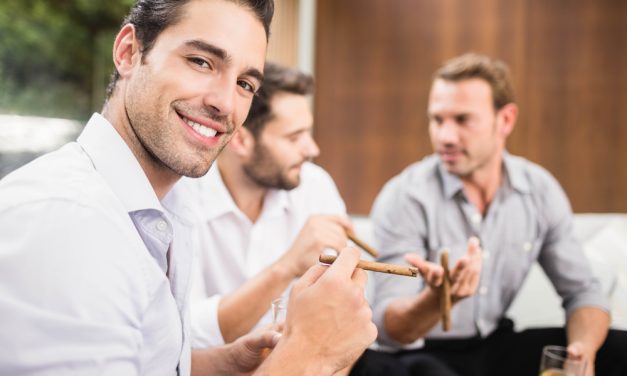
Among Native American traditions, the ceremonial passing of the peace pipe symbolized stepping away from daily activity—a place to think—allowing participants to speak thoughtfully and listen respectfully.

Creating Space in Fast-Paced Cities Like Miami
Modern professionals discover their best ideas when they set aside time to think with trusted peers. Eliminating distractions allows the mind to explore possibilities that might never surface during a busy workday.
In cities like Miami, where entrepreneurs move quickly from opportunity to opportunity, leaders especially benefit from a place to think.
Business leaders often find that the right conversation in a quiet setting can reshape entire strategies. Fresh perspectives reveal paths hidden by routine thinking.

Movement and Reflection Create Clarity
Wilson Alvarez reminds professionals:“Movement creates clarity.”
Sometimes that movement begins not with action, but with reflection. Stepping into a dedicated place to think provides the mental space necessary for innovation and better decision-making.

The Takeaway for Business Leaders
Leaders do not only need tools and technology to succeed—they need a place to think where ideas can breathe, conversations can deepen, and reflection transforms thinking into actionable strategy.

Join the Miami Cigar Community for Thoughtful Dialogue
If you value meaningful professional conversations and shared insight, connect with like-minded professionals in the Miami cigar community.
👉 Join the Miami Cigar Club:https://www.facebook.com/groups/miamicigarclub
For more information about gatherings and membership opportunities, contact Wilson Alvarez Consulting Group, Inc. at 305-386-6165.

#MiamiCigarClub #LeadershipThinking #BusinessStrategy #MiamiBusinessCommunity #ProfessionalGrowth #PlaceToThinkBusinessLeaders

The Miami Cigar Club is not simply a gathering, it is a circle of professionals committed to sharpening ideas, challenging perspectives, and helping one another rise. In an environment built on respect, thoughtful conversation, and shared experience, members meet to discuss real business challenges and support each other’s growth. It is a leadership initiative rooted in the belief that success multiplies when capable people think together. Those interested in learning more about the Miami Cigar Club and upcoming gatherings may request additional information by emailing info@wilsonalvarez.com.

Read More

State of Miami Springs – March 2026

Rising Expectations, Visible Momentum, and a City Pressed for Results

March is when planning must become progress.
-Wilson Alvarez

TLDR 
March 2026 marked a noticeable shift in Miami Springs as expectations turned into pressure for visible results. City leadership continued focusing on infrastructure, traffic, and communication, while businesses experienced steady growth driven by seasonal activity. Civic engagement increased, and residents called for clearer timelines and measurable outcomes. The city moved forward, but with a stronger demand for action.

State of Miami Springs March 2026
For anyone asking about the State of Miami Springs in March 2026, the direct answer is that the city experienced growing economic momentum, increased civic engagement, and rising pressure on leadership to deliver visible results on infrastructure and traffic improvements.

Municipal Leadership Overview
Mayor: Maria Puente Mitchell
Mayor Mitchell entered March facing a more engaged and vocal community. Her administration maintained a steady approach, emphasizing communication and long-term planning. However, public sentiment continued shifting toward a demand for quicker implementation, particularly in traffic mitigation and infrastructure upgrades.
Supporters highlighted consistency and transparency, while critics pushed for clearer deadlines and more visible outcomes.

City Manager: William Barnett
The City Manager’s office focused on aligning city departments with strategic priorities for the year. March discussions emphasized project sequencing, infrastructure execution, and improving communication with residents.
The administration acknowledged the need for clearer updates and more frequent reporting as community expectations increased.

City Commission Activity
City Commission meetings in March were among the most engaged of the year so far.
Key topics included:

Infrastructure project timelines
Traffic congestion and roadway improvements
Code enforcement consistency
Budget planning and fiscal oversight

Public participation increased, reflecting a community that is paying close attention to how decisions translate into results.

Business & Economic Conditions
Retail and Local Commerce
March delivered stronger-than-expected business activity, driven by improved weather, local events, and increased foot traffic.
Businesses Performing Well:

Restaurants and cafés along main corridors
Fitness and wellness services
Specialty retail and local boutiques

Economic Indicators

Increased weekend and evening foot traffic
Strong repeat customer activity
Stable commercial occupancy

Businesses continued showing resilience and growth, supported by a loyal local customer base.

Restaurants & New Business Activity
Restaurants saw a boost from spring activity, offering seasonal menus and promotions that attracted both residents and visitors.
While there were no major large-scale openings, smaller business transitions and ownership changes indicated a dynamic but stable local economy.

Transportation & Infrastructure
Transportation remained one of the most discussed issues in March.
Residents expressed concerns about:

Peak-hour congestion
School-zone traffic
Visibility of improvement projects

City officials reiterated coordination efforts with Miami-Dade County and emphasized ongoing evaluations, though residents continued calling for more visible progress.

Chamber & Business Association Activity
March saw increased activity among business organizations and local chambers.
Highlights included:

Networking events and business mixers
Planning for spring and summer events
Advocacy discussions on local economic growth

These gatherings reinforced a strong connection between the business community and city leadership.

Monthly Synopsis
March 2026 represented a turning point for Miami Springs. The city maintained economic stability and strong community engagement, but expectations for visible results grew significantly. Leadership continued planning and coordination, while residents increasingly looked for measurable progress.

What March Revealed
Miami Springs is moving forward with momentum, but the community is clearly signaling that planning alone is no longer enough. The coming months will determine how effectively leadership can convert strategy into action.
#MiamiSprings #StateOfMiamiSprings #MiamiSpringsNews #LocalGovernment #CommunityUpdate #MiamiBusiness #SouthFlorida

Read More