Select Page

Communities

Widgetized Area

This panel is active and ready for you to add some widgets via the WP Admin

Faith Communities in and around North Bay Village

North Bay Village and its surrounding areas offer a variety of places of worship, catering to diverse faith traditions. Here are some notable churches and temples in the vicinity:

Within North Bay Village:

  1. Ummah of Miami Beach
    • Address: 7904 West Dr, North Bay Village, FL 33141
    • Phone: 786-216-7035
    • Description: A local place of worship serving the Muslim community in North Bay Village.

Nearby Places of Worship:

  1. Calvary Chapel
    • Address: 7141 Indian Creek Dr, Miami Beach, FL 33141
    • Phone: 305-531-2730
    • Description: A Christ-centered, cross-focused church offering services and community programs.
  2. Temple Moses Sephardic Congregation of Florida
    • Address: 1200 Normandy Dr, Miami Beach, FL 33141
    • Phone: 305-861-6308
    • Description: A Sephardic Jewish congregation providing religious services and cultural events.
  3. Iglesia Jesus Es Rey
    • Address: 1133 71st St, Miami Beach, FL 33141
    • Phone: 305-867-7679
    • Description: A Christian church offering worship services and community outreach programs.
  4. St. Mary Magdalen Catholic Church
    • Address: 17775 N Bay Rd, Sunny Isles Beach, FL 33160
    • Phone: 305-931-0600
    • Description: A Catholic parish providing mass services and religious education.
  5. St. Bernard de Clairvaux Episcopal Church
    • Address: 16711 W Dixie Hwy, North Miami Beach, FL 33160
    • Phone: 305-945-1461
    • Description: An Episcopal church known for its historic architecture and spiritual services.
  6. St. Sophia Greek Orthodox Cathedral
    • Address: 2401 SW 3rd Ave, Miami, FL 33129
    • Phone: 305-854-2922
    • Description: A Greek Orthodox cathedral offering liturgical services and cultural events.
  7. New Revelation Alliance Church
    • Address: 11900 Biscayne Blvd, Miami, FL 33181
    • Phone: 305-893-8050
    • Description: A Christian church focusing on community service and spiritual growth.

These establishments reflect the rich tapestry of faith communities accessible to residents and visitors of North Bay Village, fostering spiritual growth and community engagement.
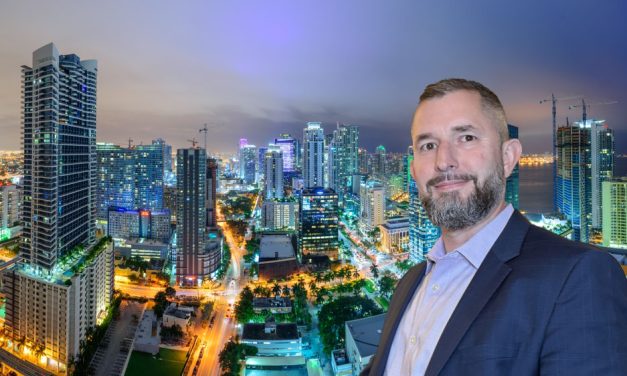
Phil Stevenson’s Reverse Mortgage Insights Captivate Coral Gables Chamber Luncheon

Highlights from the Coral Gables Chamber event where mortgage expert Phil Stevenson delivered an engaging keynote that sparked extended discussion.

True authority shows itself when the audience keeps asking questions.
– Wilson Alvarez

TL;DR – At the Coral Gables Chamber luncheon, mortgage expert Phil Stevenson delivered a keynote that captivated the audience. His presentation on reverse mortgages, housing trends, and financial strategies extended well beyond the allotted time because attendees were deeply engaged and eager to ask questions.

The Coral Gables Chamber luncheon became far more than a typical networking event when mortgage expert Phil Stevenson took the stage. I attended the event earlier today, and what was scheduled to be a brief presentation quickly transformed into a lively and educational discussion that kept the entire room engaged.
Stevenson, a longtime member of the Coral Gables Chamber and a recognized mortgage professional, delivered a keynote that blended real world experience with practical financial insight. His topic centered around reverse mortgages, housing trends, and the realities of today’s lending environment. What stood out immediately was his natural ability to communicate complex ideas in a clear and relatable way.
Although the schedule allowed fifteen minutes for his talk, the conversation extended to nearly thirty minutes. The audience remained fully attentive throughout, asking thoughtful questions that deepened the dialogue on homeownership, retirement strategies, and financial planning.
Direct Answer: This article highlights Phil Stevenson’s keynote presentation at the Coral Gables Chamber luncheon, where he discussed reverse mortgages, housing trends, and financial strategies while engaging the audience in a lively extended discussion.
Stevenson’s presentation focused heavily on one of the most misunderstood financial tools available today, the reverse mortgage. Drawing from decades of industry experience, he explained how the product works and addressed the many misconceptions that often surround it. Instead of presenting it as a last resort for struggling homeowners, he described it as a legitimate financial strategy that can be part of a well-planned retirement portfolio.
The conversation resonated strongly with attendees. Many in the room represented industries that regularly interact with homeowners, including financial advisors, attorneys, and real estate professionals. Their questions reflected genuine curiosity about how reverse mortgages function, how families can use them responsibly, and what role they may play in long-term financial planning.
What impressed me most was Stevenson’s communication style. Some speakers rely heavily on slides or technical explanations. Instead, he spoke naturally, drawing from real cases and real client experiences. This approach created a level of authenticity that kept the audience fully engaged.
As the discussion continued, it became clear that the presentation had struck a nerve. The questions moved beyond simple mortgage mechanics and into broader conversations about property taxes, housing affordability, and retirement planning. Rather than rushing through the remaining material, Stevenson welcomed the dialogue, answering each question thoughtfully and encouraging further discussion.
Moments like this are what make chamber events valuable. A presentation that begins as a simple keynote can evolve into a collaborative learning experience when the right speaker is involved. Today’s luncheon was a perfect example of that dynamic.
More importantly, Stevenson demonstrated why strong communication matters in business. Financial topics can often feel complicated or intimidating. However, when explained clearly and honestly, they become tools that help people make better decisions about their future.
Those interested in learning more about local business leaders and community insights can explore additional stories on MiamiBusiness.com, where we continue to highlight the professionals shaping Miami’s business community.
The famous leadership expert John C. Maxwell once said, “People don’t care how much you know until they know how much you care.” This quote perfectly reflects what happened during Stevenson’s presentation. His depth of knowledge was clear, but what truly resonated with the audience was his genuine desire to educate and help people understand their financial options.
Events like today’s luncheon remind us that effective communication is one of the most powerful skills a professional can possess. When knowledge is shared clearly and sincerely, it builds trust and encourages meaningful conversations.
To get in touch with Phil Stevenson, he can be reached at 786-586-3336
If you would like to connect with professionals featured in MiamiBusiness.com stories or share insights from your own industry, reach out today by calling 305.386.6165 or emailing info@miamibusiness.com. We are always looking to highlight the leaders and voices shaping Miami’s vibrant business community.

Read More

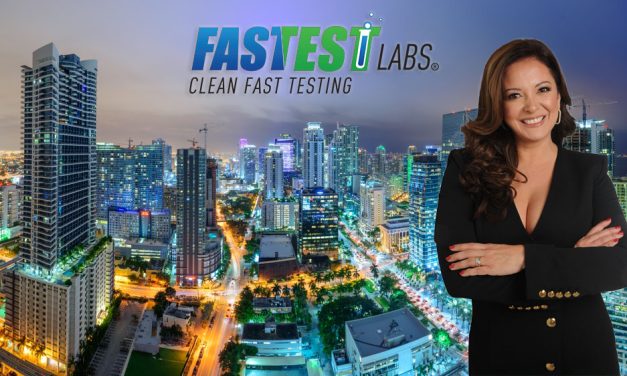
Fastest Labs Miami Airport Owner Leading With Purpose

How Monica G. Wilson is Building Three Trusted Testing Locations Across South Florida

Leadership is not about volume, it is about velocity, moving people forward with clarity and care.
– Monica Wilson

TL;DR – Monica G. Wilson, owner of Fastest Labs of Miami Airport, is expanding to three Miami locations while delivering fast, compliant, and people first testing services for businesses and families across South Florida.

Fastest Labs Miami Airport owner Monica G. Wilson is quietly building something powerful in South Florida. Not just a testing center. Not just a franchise. Instead, she is building infrastructure for trust.
In a city like Miami, where aviation, construction, hospitality, and logistics drive the economy, compliance is not optional. It is operational. Monica understands that reality. That is why she leads Fastest Labs of Miami Airport with focus, discipline, and heart.
What makes her different is simple. She sees testing as personal.
Fastest Labs Miami Airport provides drug, alcohol, DNA, and compliance services for individuals and employers across Miami. Under Monica’s leadership, the company is expanding to three locations, serving South Florida with fast, accurate, and confidential testing solutions.
Fastest Labs Miami Airport specializes in time efficient testing services designed to minimize disruption for both companies and employees. The goal is simple, help workers complete required testing quickly so they can return to work without losing valuable time during their day. This commitment to time efficiency benefits both employers and employees by keeping operations moving while maintaining full compliance.
Now, that expansion is not accidental. It reflects both demand and leadership maturity.
Monica brings more than ten years of experience in construction consulting. That background sharpened her ability to manage systems, oversee compliance standards, and operate in high stakes environments. Construction taught her logistics. Testing requires precision. The two worlds align more than most people realize.
At Fastest Labs Miami Airport, businesses rely on her team for DOT and non DOT compliance, consortium management, background checks, pre employment and random drug programs, and mobile collections. Families depend on accurate DNA testing for legal, immigration, and personal clarity needs.
According to the U.S. Department of Transportation, regulated employers must maintain strict testing standards to remain compliant and protect workplace safety. You can review federal compliance standards directly at the Federal Motor Carrier Safety Administration website. Monica ensures local companies meet those requirements confidently.
However, compliance is only part of the story.
Monica operates with what she calls the 4 D’s, Determination, Dedication, Devotion, and Discipline. Those principles guide daily operations. They also shape how clients experience her brand.
Walk into her lab and you will notice professionalism. More importantly, you will feel calm. In situations involving court admissible DNA tests or pre employment screenings, anxiety is common. Monica trains her team to respond with clarity, not pressure.
That people first approach is why Fastest Labs Miami Airport continues to grow.
Meanwhile, expansion to two additional South Florida locations signals long term vision. Miami’s workforce is growing. Aviation around the airport corridor is expanding. Construction and trade industries remain strong. Employers need partners, not vendors.
As I have seen repeatedly inside Miami’s business ecosystem, leaders who combine operational discipline with empathy tend to scale sustainably. Monica fits that model.
If you want to understand how compliance supports business stability in our region, you can also explore more workforce focused insights at MiamiBusiness.com. Education and awareness protect companies long before problems arise.
Warren Buffett once said, “It takes 20 years to build a reputation and five minutes to ruin it.” That quote fits this industry perfectly. Testing and compliance are invisible when done correctly. However, mistakes can damage reputations quickly. Monica’s commitment to accuracy, speed, and efficiency protects both families and employers from unnecessary risk.
Here is what matters most. Fast testing is valuable. Reliable testing is essential. Trust is everything.
If you are a business owner in Miami, remember this. Compliance is not an expense. It is protection. When you choose a testing partner, choose one who understands both regulations and relationships.
If you are ready to work with a locally owned business that delivers fast, accurate, and professional results, call 786-536-7315 or 954-830-9064 today and connect with Monica G. Wilson to schedule your consultation. Your workforce, your family, and your reputation deserve that level of care.

Read More

From Cool Mornings to Hot Afternoons

How March Weather Impacts Your Roof
Why Temperature Swings in Miami Can Stress Roofing Systems

Roofs don’t fail overnight. They fail after years of small movements.
– Karen Rodman

When Miami Weather Changes Quickly
March in Miami is a transitional month. Mornings can feel cool, while afternoons often return to the familiar Florida heat. These daily swings may seem harmless, but they quietly affect every roofing system across the city.
A roof responds to temperature changes throughout the day. When temperatures rise, roofing materials expand. When temperatures drop, those same materials contract. Over time, that constant movement places stress on the entire roofing system.

Why Roofing Materials Move
Every roof contains materials that react to temperature. Shingles, tiles, membranes, flashing, and sealants all expand when heated. They contract when temperatures fall.
This process happens naturally and repeatedly. Most roofs experience this cycle every single day. However, when temperature differences become larger, the movement becomes more noticeable.
In March, Miami often experiences cooler mornings followed by warm afternoons. That swing can cause roofing materials to move more than usual within a short period of time.

What Happens to Roof Seals
Sealants protect the most vulnerable parts of a roof. They seal around flashing, vents, skylights, and transitions where materials meet. These areas must remain flexible to stay watertight.
During cooler temperatures, sealants stiffen and contract. When the sun heats the roof later in the day, those materials expand again. Repeating this cycle over months and years can weaken seals.
Small cracks or separations may begin to form. At first they are invisible. Eventually they allow moisture to enter during rainstorms.

Why Flat Roofs Feel the Stress First
Flat and low slope roofs often react faster to temperature swings. Roofing membranes expand under the heat of the sun and tighten when temperatures cool.
If seams or flashing already show wear, movement can create small separations. These separations may not leak immediately. However, they can allow water intrusion once Miami’s rainy season begins.
Commercial buildings frequently experience this type of stress because large roof surfaces absorb significant heat during the day.

Tile and Shingle Roof Movement
Tile and shingle systems also respond to temperature shifts. Underlayment layers expand and contract beneath the tiles or shingles. Over time, this movement may cause small shifts in alignment.
Occasionally, tiles crack, or shingles lose adhesion. When temperatures rise again, the materials expand but the damaged seal does not always recover.
This explains why leaks sometimes appear weeks after a temperature change rather than during the weather event itself.

Miami’s Climate Makes Inspections Important
South Florida roofs experience intense sun, humidity, heavy rain, and occasional temperature swings. Each condition places stress on roofing materials.
Because of this climate, regular inspections play an important role in protecting both homes and commercial buildings. Small issues often begin quietly. Identifying them early prevents larger repairs later.
A simple inspection can reveal cracked sealants, loose flashing, or early signs of material fatigue.

A Thought Worth Remembering
Benjamin Franklin once said, “An ounce of prevention is worth a pound of cure.” His words apply perfectly to roofing systems. Understanding how daily weather affects a roof helps property owners address problems before they grow.

Takeaway
Roofs are not static structures. They expand and contract every day. March weather in Miami highlights this movement with cool mornings and warm afternoons.
Over time, these temperature swings can stress seals, flashing, and roofing materials. Paying attention to small changes today helps prevent larger issues tomorrow.

If your roof has experienced temperature swings this season, now is a good time for a professional inspection.
Karen Rodman works with homeowners, builders, and commercial property managers throughout South Florida to identify early roofing issues and keep structures protected.
📞 Call Karen Rodman305-264-3551
📧 Email Rodman RoofingRodmanroofing@yahoo.com
📍 Rodman Roofing, Inc.12151 S.W. 128th Court Unit 108, Miami, FL 33186

Read More

Record Relief in Florida: Four Legal Paths Toward a Clean Slate

A practical guide to Florida’s legal pathways for sealing or expunging a criminal record and requesting early termination of probation.
“A criminal record should not become a life sentence when the law already allowed someone to move on.” — Carolle El-Naffy

By Carolle El-Naffy | MiamiLegalNews.com
Miami has a way of reminding you that life moves fast. One minute you’re building momentum—new job prospects, new relationships, a new season—and the next, a past court case resurfaces on a background check like it happened yesterday. For many Floridians, the most frustrating part isn’t the case itself. It’s how long the “shadow” of that case can linger, even after the legal system has closed the file.
That’s why record relief matters. Not as a loophole. Not as a shortcut. But as a structured legal process that recognizes something fundamental: people are more than their worst day, and a closed case should not become a permanent obstacle to opportunity. Over the last four articles, we’ve broken down four interconnected topics that can change the trajectory of someone’s future in Florida—sealing, expungement, eligibility, and early termination of probation. Together, they tell one story: if you handle it correctly, the law sometimes gives you a way forward.
The first question people ask is the simplest—and the most important
When someone calls my office about clearing a record, they usually begin with the same line: “Can I get this off my record?” But Florida doesn’t treat every record the same way. The answer depends on a critical distinction that many people don’t learn until they’re already stuck: sealing is not expungement.
That difference is more than vocabulary. It’s the difference between a record being hidden from most public searches versus a record being removed from most public access entirely. Sealing typically restricts what the general public can see. Expungement goes further by requiring agencies to destroy records, while still allowing limited confidential retention by law enforcement. And because expungement carries that greater permanence, it often comes with tighter restrictions.
In practical terms, this distinction affects your employment options, housing applications, and professional licensing. It affects whether your case shows up on common background checks. It affects how you answer questions about your history. In other words, it affects your life. That’s why our first article began where every good legal strategy begins: clarity.
Then comes the reality check: not everyone qualifies
Once people understand the difference between sealing and expungement, the next question arrives immediately: “Okay—so which one can I do?” This is where Florida’s record-clearing laws become very strict. The system is not designed for unlimited attempts or casual filings. Eligibility is narrow, and in most situations, Florida limits record relief to one opportunity in a lifetime. That alone means you don’t want to guess.
Eligibility depends heavily on how the case ended. Generally, expungement becomes more likely when charges were dismissed, dropped, or never filed. Sealing may be possible when the case ended with a withhold of adjudication rather than a conviction. And convictions—almost always—change the equation.
Florida also draws hard lines around certain offenses. Some charges are excluded from sealing or expungement even when a case did not end in a conviction. This is where many people get surprised and discouraged, because they assume “no conviction” equals “no record problem.” But Florida public records do not work that way. Arrests and charges often remain visible unless you take legal action to address them.
That’s why our second article focused on the heart of the matter: Florida expungement eligibility isn’t a feeling—it’s a legal standard. If you don’t meet it, the court won’t grant relief, and you may waste valuable time and money. If you do meet it, you have a chance to protect your future—if you move strategically.
The process is not complicated—but it is unforgiving
Even when someone qualifies, record relief doesn’t happen because you want it to. It happens because you follow a defined process with correct paperwork, supporting documents, and the proper legal sequence. That’s what our third article tackled: how to seal or expunge a criminal record in Florida, step by step.
In most cases, the process begins with the Florida Department of Law Enforcement (FDLE). Before you can even ask a judge to seal or expunge your record, you typically must obtain a Certificate of Eligibility. That means gathering the right case dispositions, submitting fingerprints properly, completing the FDLE application, and paying the required fee. Then FDLE reviews the submission and decides whether you meet the statutory criteria.
Only after you receive that certificate can you file your petition with the court. And that petition must be correctly prepared and supported. Courts can deny petitions for technical errors, missing items, or eligibility problems that were overlooked. That’s why the process requires precision. Not drama—precision.
When done correctly, sealing or expungement can shift the way you’re viewed in the real world. It can remove a barrier to employment. It can reduce the stigma that follows a person even when they were never convicted. It can bring relief to families who have spent years trying to move past a difficult chapter. In Miami, where opportunity is often tied to credibility, a clean slate can be more than symbolic—it can be practical.
And then there’s probation—the part of the sentence people forget to finish
Some individuals can’t move forward with record relief because they’re still under court supervision. Probation is often the quiet restriction that follows someone long after the courtroom appearance ends. It can limit travel. It can restrict work options. It can create anxiety with every check-in, every condition, every requirement. And for many people, probation feels like a sentence that stretches their life into “before” and “after” indefinitely.
That’s why our fourth article focused on early termination of probation in Florida. In some cases, Florida courts allow individuals to end probation before the scheduled completion date through a legal motion. It’s not guaranteed. It’s not automatic. But it is possible—especially for individuals who have complied with all conditions, completed programs, paid fines and restitution, and demonstrated consistent responsibility.
Early termination matters because it restores time and freedom. It helps people move without the constant shadow of supervision. It allows them to take jobs that require travel or clean compliance records. And in many situations, it can become a stepping-stone toward other legal remedies—because some people can’t begin the sealing or expungement process until their probation obligations are fully resolved.
One story, four legal tools, and one consistent truth
These four articles are connected by one theme: Florida law can be strict, but it is not always without mercy. The legal system does not offer second chances casually, yet it does offer lawful pathways for people who qualify and follow the process correctly.
Sealing versus expungement teaches you what kind of relief exists. Eligibility rules tell you whether you can pursue it. The step-by-step process shows you how to do it the right way. Early termination of probation reminds you that progress can be recognized—and that supervision does not always have to last as long as the original sentence suggests.
If you’re reading this in Miami and thinking, “This sounds like me—or someone I love,” the most important step is not guessing. It’s getting a clear legal assessment of your situation, your record, your case outcome, and your eligibility under Florida law. The goal isn’t to relive the past. The goal is to remove what no longer belongs in your future.
Carolle El-Naffy is a Florida criminal defense attorney who helps individuals pursue record relief options, evaluate eligibility, and file motions when early termination of probation may be available.
📞 Call (305) 456-7576 for a confidential consultation📍 75 Valencia Ave • Suite 800 • Coral Gables, FL 33134 (By Appointment Only)

Legal Information Disclaimer
This article is provided for informational and editorial purposes only and does not constitute legal advice. Laws change and legal outcomes depend on specific facts, so readers should consult a qualified attorney regarding their individual situation. Reading this article does not create an attorney-client relationship with any attorney mentioned, MiamiLegalNews.com, MiamiBusiness.com, Wilson Alvarez, or Wilson Alvarez Consulting Group, Inc. Articles may include commentary, interviews, or ghostwritten editorial content prepared in collaboration with attorneys or legal professionals. MiamiLegalNews.com operates as a digital media publication and does not provide legal services. By reading this article, you agree that MiamiLegalNews.com and its publisher are not responsible for actions taken based on the information presented.

Read More

The State of Education February 2026

Every student’s success begins with a community that believes in their potential.
-Wilson Alvarez

Miami-Dade Education February 2026: Highlights & Achievements
In February 2026, Miami-Dade education is focusing on student mental health, expanding technology programs, and celebrating academic achievements across high schools, colleges, universities, and private schools throughout the county.
Education in Miami-Dade County continues to grow as schools, colleges, and universities work to prepare students for success. This February, the district emphasized programs that strengthen learning, improve academic performance, and support student well-being. For more context, you can check our January 2026 Miami-Dade education update.

Miami-Dade Education February 2026: School Board Updates
The Miami-Dade County Public Schools Board spent February reviewing student support programs and academic goals. Key priorities included:

Student mental health support: Expanded counseling and wellness programs funded.

Literacy improvement: Reading specialists and teacher training programs introduced to boost literacy rates in middle and high schools.

Campus safety and facilities: Security upgrades and facility improvements to ensure safe learning environments.

For detailed updates, visit Miami-Dade County Public Schools programs.

High School Achievements in Miami-Dade Education February 2026
High schools across the county celebrated academic and cultural milestones:

Black History Month programs: Research projects, musical performances, and cultural exhibitions.

STEM competitions: Robotics teams and science clubs participated in regional contests, emphasizing technology education.

College preparation: Guidance counselors assisted seniors with applications, scholarships, and tutoring for spring exams.

These initiatives demonstrate how Miami-Dade high schools balance rigorous academics with cultural enrichment and student engagement.

Miami-Dade Colleges and Education Highlights February 2026
Miami Dade College, one of the largest and most diverse colleges in the U.S., had a busy February:

Career and internship fairs: Connecting students with local employers.

Technology in classrooms: AI tools and virtual simulations enhanced hands-on learning.

Community service projects: Reinforcing civic engagement across Miami-Dade.

Explore scholarship opportunities at Miami Dade College for more student resources.

University Research and Miami-Dade Education February 2026
Universities continued leading in research and innovation:

Research conferences: Florida International University and the University of Miami highlighted innovations in healthcare, climate science, and business analytics.

Student-faculty collaborations: Mentorship and real-world career experiences.

Expanded scholarships: Supporting first-generation college students to improve access to higher education.

Private Schools and Community Engagement in Miami-Dade Education
Private schools actively promoted academics, sports, and social responsibility:

Competitions and tournaments: Developing leadership and teamwork skills.

Charity drives: Supporting local food banks and shelters.

Parental involvement: Volunteering and participating in school programs strengthens school communities.

A Quote to Reflect On

“Education is the passport to the future, for tomorrow belongs to those who prepare for it today.” — Malcolm X

This quote perfectly reflects the mission of educators across Miami-Dade County: today’s lessons prepare students to lead tomorrow.

February 2026 Takeaways
Collaboration between schools, families, and communities strengthens Miami-Dade’s education system. When teachers, parents, and students work together, the impact is meaningful and lasting.
Stay engaged: attend school board meetings, support local schools, and celebrate the achievements of students throughout the county. Education thrives when the community participates.

Read More