Select Page

Communities

Widgetized Area

This panel is active and ready for you to add some widgets via the WP Admin

Faith Communities in and around North Bay Village

North Bay Village and its surrounding areas offer a variety of places of worship, catering to diverse faith traditions. Here are some notable churches and temples in the vicinity:

Within North Bay Village:

  1. Ummah of Miami Beach
    • Address: 7904 West Dr, North Bay Village, FL 33141
    • Phone: 786-216-7035
    • Description: A local place of worship serving the Muslim community in North Bay Village.

Nearby Places of Worship:

  1. Calvary Chapel
    • Address: 7141 Indian Creek Dr, Miami Beach, FL 33141
    • Phone: 305-531-2730
    • Description: A Christ-centered, cross-focused church offering services and community programs.
  2. Temple Moses Sephardic Congregation of Florida
    • Address: 1200 Normandy Dr, Miami Beach, FL 33141
    • Phone: 305-861-6308
    • Description: A Sephardic Jewish congregation providing religious services and cultural events.
  3. Iglesia Jesus Es Rey
    • Address: 1133 71st St, Miami Beach, FL 33141
    • Phone: 305-867-7679
    • Description: A Christian church offering worship services and community outreach programs.
  4. St. Mary Magdalen Catholic Church
    • Address: 17775 N Bay Rd, Sunny Isles Beach, FL 33160
    • Phone: 305-931-0600
    • Description: A Catholic parish providing mass services and religious education.
  5. St. Bernard de Clairvaux Episcopal Church
    • Address: 16711 W Dixie Hwy, North Miami Beach, FL 33160
    • Phone: 305-945-1461
    • Description: An Episcopal church known for its historic architecture and spiritual services.
  6. St. Sophia Greek Orthodox Cathedral
    • Address: 2401 SW 3rd Ave, Miami, FL 33129
    • Phone: 305-854-2922
    • Description: A Greek Orthodox cathedral offering liturgical services and cultural events.
  7. New Revelation Alliance Church
    • Address: 11900 Biscayne Blvd, Miami, FL 33181
    • Phone: 305-893-8050
    • Description: A Christian church focusing on community service and spiritual growth.

These establishments reflect the rich tapestry of faith communities accessible to residents and visitors of North Bay Village, fostering spiritual growth and community engagement.
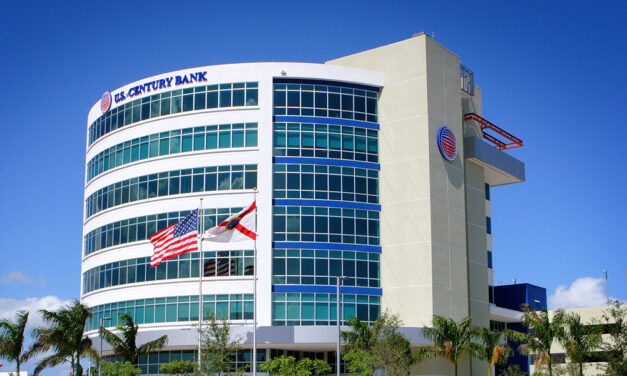
U.S. Century Bank Named to Newsweek’s America’s Best Regional Banks and Credit Unions 2026 List

U.S. Century Bank has once again been named to Newsweek magazine’s America’s Best Regional Banks and Credit Unions 2026 which recognizes the top 500 regional banks and top 500 credit unions in the U.S. With $2.8 billion in assets, U.S. Century Bank is one of the largest community banks headquartered in Miami and the state of Florida.
To compile this list, Newsweek collaborated with market data research firm Plant-A Insights Group. Newsweek’s methodology evaluated institutions using a combination of financial indicators and customer feedback, including the Texas Ratio, profitability, net loans and leases, media coverage over the past two years, and an independent survey of more than 71,000 U.S. consumers. The analysis also incorporated 1.9 million social media reviews and 129 million mobile app reviews to identify the top 500 regional banks and top 500 credit unions nationwide.
Only the 500 highest-scoring banks and 500 highest-scoring credit unions have been recognized by Newsweek as America’s Best Regional Banks and Credit Unions 2026.
“This recognition reinforces our belief that community banking is built on trust, consistency and strong relationships,” said Luis de la Aguilera, chairman, president and CEO of U.S. Century Bank. “Our team remains focused on serving our clients with remarkable service and personalized solutions they have come to expect from us.”
 
About U.S. Century Bank
Established in 2002, U.S. Century Bank is one of the largest community banks headquartered in Miami, and one of the largest community banks in the state of Florida. It is a wholly owned subsidiary of USCB Financial Holdings, Inc. (NASDAQ: USCB) and rated 5-Stars by BauerFinancial, the nation’s leading independent bank rating firm. U.S. Century Bank offers customers a wide range of financial products and services and supports numerous community organizations, including the Greater Miami Chamber of Commerce, the South Florida Hispanic Chamber of Commerce, and ChamberSouth. For more information or to find a banking center near you, please call (305) 715-5200 or visit www.uscentury.com.

Read More

Safest Diet Drinks Long-Term?

 A Miami Consumer’s Guide to Diet Sunkist, Diet Arnold Palmer, Diet Coke, and Coke Zero
Zero sugar doesn’t mean zero consequences — here’s what the ingredients and the science actually say.

Miami runs on iced drinks — at the gym, in the car, between meetings, and on hot afternoons that never seem to end. But if you’re drinking “diet” beverages every day, the real question isn’t calories. It’s what long-term exposure to sweeteners, acids, and additives does to your body.
We compared four of the most popular options Miamians reach for:

Diet Sunkist Orange

AriZona Diet Arnold Palmer (Half & Half)

Diet Coke

Coca-Cola Zero Sugar

Let’s look at what’s really inside — and which one is the smartest daily habit.

What’s in each drink
Diet Sunkist Orange
Uses aspartame and acesulfame potassium for sweetness. It is zero calories and zero carbs, but it is highly acidic, carbonated, and contains food dyes and preservatives. The acidity comes mainly from citric and malic acid, which is harsh on tooth enamel over time.
AriZona Diet Arnold Palmer (Half & Half)
Sweetened with sucralose (Splenda). It contains real lemon and pear juice concentrates, which is why it has about 2 grams of carbohydrates per 12 ounces. It is not carbonated and does not contain phosphoric acid or caramel coloring.
Diet Coke
Sweetened with aspartame. It is zero-calorie and zero-carb, but uses phosphoric acid, which is a strong acid used in colas. Diet Coke also contains caffeine and caramel color, two ingredients that raise additional long-term health questions.
Coca-Cola Zero Sugar
Sweetened with aspartame and acesulfame potassium. It has the same acid profile as Diet Coke (phosphoric acid) but a different flavor formula and usually slightly less caffeine per can.

Side-by-Side Comparison

Drink
Sweetener
Carbs
Acid Type
Carbonated
Caffeine

Diet Sunkist
Aspartame + Ace-K
0g
Citric & Malic
Yes
Yes

Arizona Diet Arnold Palmer
Sucralose
~2g / 12oz
Citric & Malic
No
Some

Diet Coke
Aspartame
0g
Phosphoric
Yes
Yes

Coke Zero Sugar
Aspartame + Ace-K
0g
Phosphoric
Yes
Yes

The real long-term risks
1. Tooth erosion
The American Dental Association confirms that acidic drinks erode enamel, even when sugar-free. This includes:

Colas

Citrus-based diet drinks

Lemonades and iced teas

The biggest danger is frequent sipping all day, which bathes teeth in acid for hours.

2. Artificial sweeteners
The FDA sets safe daily intake limits:

Aspartame: 50 mg per kg of body weight

Sucralose: 5 mg per kg

Ace-K: 15 mg per kg

These are conservative safety margins. However, in 2023 the World Health Organization classified aspartame as “possibly carcinogenic” based on limited evidence — while still affirming its safety within intake limits.
That means it’s not toxic — but it’s also not nutritionally beneficial.

3. Colas and bone density
A major study from the Framingham Osteoporosis Study found that cola consumption (diet or regular) was associated with lower hip bone density in women — but non-cola sodas were not.
The leading suspect: phosphoric acid, which interferes with calcium metabolism when consumed frequently.

So who wins?
🥇 Winner: Arizona Diet Arnold Palmer
Why?

No phosphoric acid

No caramel color

No carbonation

Real tea and lemon

Lower overall chemical load

Yes, it has 2g of carbs, but those come from real juice, not sugar syrup — and that amount is metabolically insignificant for most people.

🥈 Runner-up: Coke Zero Sugar
Zero carbs, no sugar — but still contains phosphoric acid and caffeine. Better than Diet Coke for most people, but still a cola.

🥉 Diet Coke
Same cola acid issues as Coke Zero, plus higher caffeine and long-term bone density concerns in heavy users.

❌ Last place: Diet Sunkist
Zero carbs, yes — but it is:

Carbonated

Highly acidic

Artificially colored

Preserved

That combination makes it rougher on teeth, gut, and long-term chemical exposure.

The Miami Rule
If you drink any of these:

Don’t sip all day

Drink with meals

Rinse with water

Don’t let colas become a daily addiction

In South Florida, hydration matters — but what you hydrate with matters more.

Are you a Miami health, wellness, or medical professional who wants your expertise featured where real local readers are already searching for answers?
MiamiBusiness.com publishes original, search-optimized health coverage that positions professionals as trusted authorities — not just advertisers.
Get featured in our Miami health and wellness coverage https://miamibusiness.com/contact

Read More

Heat Expands, Cold Contracts: How Temperature Swings Stress Your Roof

Why Miami’s Sudden Weather Changes Can Damage Roofing Systems Over Time

Roofs don’t fail overnight. They fail one temperature swing at a time.
– Karen Rodman

Temperature Stress
When Miami Weather Does the Unexpected
A temperature swing roof stress event happens when materials heat up, expand, cool down, and contract repeatedly. In Miami, we expect heat. What we don’t expect are cold snaps where temperatures drop into the 30s overnight and rebound quickly the next day. When that happens, roofs feel the stress immediately.
This is why heat expands, cold contracts, and over time, that movement can break roof seals, loosen fasteners, and expose weak points.

Why Roofs Move More Than You Think
Every roofing system is made of materials that respond to temperature. Shingles, tiles, membranes, metal, flashing, and sealants all expand in heat and contract in cold. This movement happens daily, but extreme temperature swings accelerate the process.
When materials move too much or too quickly, seals stretch, adhesives weaken, and joints separate. That movement is the root cause of many roof leaks that appear long after the weather event has passed.

What Temperature Swings Do to Roof Seals
Roof seals protect the most vulnerable areas of a structure. Flashing, penetrations, transitions, and seams rely on flexible materials to stay watertight. During a cold snap, those materials contract and stiffen. When temperatures rise again, they expand.
Repeated temperature swing roof stress causes sealants to crack, pull away, or lose adhesion. Once that happens, water finds its way in.

Why Miami Roofs Are More Vulnerable
South Florida roofing systems are designed for heat, sun, and heavy rain. They are not built with prolonged freezing conditions in mind. When rare cold weather hits, older roofs feel it first.
Homes and commercial buildings with aging materials, older sealants, or outdated installation methods often show damage weeks later. The roof did not fail during the cold snap. It failed because the materials could no longer handle the movement.

Flat Roofs and
Flat and low-slope roofs experience temperature swing roof stress differently. Roofing membranes contract in cold weather and expand when heated. That movement places stress on seams and attachment points.
If ponding water exists, cold temperatures can make the problem worse. As materials stiffen, seams become less forgiving. Small separations can grow into leaks once normal Miami heat returns.

Tile and Shingle Roof Movement
Tile and shingle roofs also move with temperature changes. Tiles can shift slightly as the underlayment contracts. Shingles may lose adhesion when seal strips harden in cold conditions.
Once temperatures rise again, the materials expand, but the seal may not recover. This is why cracked tiles, lifted shingles, and leaks often appear after extreme temperature changes, not during them.

Metal Roofs and Expansion Cycles
Metal roofing expands and contracts more than most materials. Proper installation accounts for this movement through fastening systems and expansion joints. When temperatures swing suddenly, poorly installed metal roofs can pull at fasteners or stress seams.
Over time, repeated expansion and contraction weaken connection points and increase the risk of leaks.

Why Problems Show Up Later
One of the most confusing aspects of temperature swing roof stress is timing. Damage often appears weeks after the weather event. Homeowners assume the roof is fine because nothing leaked immediately.
In reality, the cold snap created micro-failures. When heat returns, those failures open just enough to allow water intrusion during rain.

Inspections Matter After Extreme Weather
After any unusual temperature event in Miami, a roof inspection makes sense. A professional roofer looks for early signs of movement damage before leaks spread.
Catching issues early prevents interior damage, mold growth, and costly repairs. This applies to both residential homes and commercial buildings.

A Thought Worth Remembering
Benjamin Franklin once said, “An ounce of prevention is worth a pound of cure.” That applies directly to roofing. Understanding how heat and cold cause movement allows property owners to act before small issues become major problems.
Roofs are not static structures. They move every day. When heat expands materials and cold contracts them, stress builds. Over time, that movement breaks seals and exposes weaknesses. Miami’s rare cold snaps accelerate this process.
Knowing how temperature swing roof stress works helps homeowners and building owners protect their investment.
If your roof has experienced unusual temperature swings, now is the time to check it. Karen Rodman works with homeowners, builders, and commercial property managers to identify stress-related roofing issues before they turn into leaks.
Call Karen Rodman 305-264-3551
Email Karen Directly rodmanroofing@yahoo.com
Visit Rodman Roofing, Inc. – 12151 S.W. 128th Court, Unit 108, Miami, FL 33186

Read More

The State of Education January 2026

“January set the foundation where fitness, discipline, and belief began to align.”
-Wilson Alvarez
Inter Miami CF preseason 2026
Momentum Sets the Tone for a Promising Campaign
Inter Miami CF preseason 2026 officially began in January, marking the start of a new chapter for the club as preparations ramped up for the upcoming MLS season. From the first training sessions of the year, the focus was clear: build fitness, establish tactical structure, and strengthen squad chemistry. Rather than chasing early results, Inter Miami entered preseason with a long-term vision centered on growth, cohesion, and sustained competitiveness.
January was about laying the groundwork for the season ahead—and early signs suggest that foundation is already taking shape.

Preseason Begins with Purpose
The opening weeks of training were defined by intensity and discipline. Sessions emphasized physical conditioning, tactical awareness, and consistency across all phases of play. The coaching staff set firm expectations early, making it clear that effort and focus would be non-negotiable.
Veteran players led by example on the training pitch, while younger talent seized the opportunity to prove themselves. This blend of experience and emerging players created healthy competition throughout the squad, pushing standards higher across every position.

New Faces Shape the Early Campaign
January also introduced new signings and returning players stepping into expanded roles. Preseason friendlies and closed-door scrimmages offered the first glimpse into how these additions might fit within the team’s tactical approach.
Rather than relying solely on individual star power, Inter Miami focused on roster depth and versatility—an approach designed to support consistency across the long MLS calendar. Fans can explore how this philosophy has evolved in our Inter Miami CF team overview.

Tactical Identity Takes Shape During Preseason
As training progressed, elements of Inter Miami’s playing identity began to emerge. Quick transitions, controlled buildup, and disciplined defensive structure were recurring themes throughout Inter Miami CF preseason 2026 sessions.
The coaching staff experimented with formations and player combinations, seeking the right balance between creativity and stability. This adaptability could prove crucial as the club navigates one of the league’s most competitive seasons. For broader context, see our MLS 2026 season preview.

Leadership and Locker Room Culture
One of the most encouraging developments in January was the locker room culture forming within the squad. Communication, accountability, and shared goals were evident both on and off the field.
Team leaders embraced mentorship roles, helping integrate new players while maintaining focus during demanding preseason sessions. This internal chemistry builds on themes discussed in our December 2025 Inter Miami CF recap and may become a defining strength once the regular season begins.

Looking Ahead to February
As January came to a close, Inter Miami CF appeared prepared—but far from finished. Fitness levels are rising, tactical concepts are settling in, and competition for starting positions remains intense.
As preparations continue into February, the foundation built during Inter Miami CF preseason 2026 suggests a team entering the new season with clarity, confidence, and momentum. The regular season has yet to begin, but the message is already clear: Inter Miami CF is building something serious.

Read More

The Hidden Risks of DIY AI Implementation

Why Miami Businesses Need Strategic I/T Leadership for AI-Powered Growth

By Humberto ComellasPresident & CEO, ulltium consulting®
Artificial Intelligence is no longer theoretical. It is operational.
Across Miami’s healthcare practices, law firms, construction companies, and professional service organizations, I am seeing AI adoption accelerate rapidly. Leaders are pursuing efficiency, automation, and competitive advantage — and the opportunity is very real.
But here is what many organizations underestimate:
AI is not plug-and-play software.
It requires governance, infrastructure alignment, security controls, and strategic leadership. Without that foundation, innovation can quickly turn into exposure.
Let’s examine where DIY AI implementation most often goes wrong — and what Miami businesses should consider before moving forward.

AI Without Strategy Creates Operational Misalignment
A common scenario unfolds like this:
A department adopts an AI platform. It performs well initially. Teams begin using it for documentation, reporting, content creation, or workflow automation.
Then inconsistencies appear.
Outputs vary.Data quality becomes questionable.Internal processes diverge.
Instead of saving time, teams begin correcting AI results.
AI must align with business objectives, compliance requirements, and operational workflows. Without integration planning, it becomes a disconnected system layered onto your infrastructure.
At ulltium consulting®, we approach AI implementation as part of a broader I/T strategy — ensuring alignment, not improvisation.

Security Blind Spots Increase Organizational Risk
AI platforms process data.
If that data includes client information, internal documentation, financial insights, or protected health information, governance is critical.
DIY AI deployments often overlook:
• Data exposure through public AI platforms• Unsecured API integrations• Lack of access controls• Absence of user governance policies• Inadequate monitoring of AI outputs
For Miami-based professional firms, confidentiality is non-negotiable.
AI governance is not optional. It is essential.
We implement structured access controls, defined data handling standards, and ongoing monitoring protocols so innovation strengthens security rather than weakening it.

Investment Without Oversight Leads to Waste
The AI marketplace evolves weekly.
Without strategic evaluation, businesses often:
• Subscribe to tools they barely utilize• Duplicate functionality across platforms• Invest in solutions that do not scale• Abandon platforms after initial enthusiasm fades
Technology should support growth — not distract from it.
Through our Dedicated CIO Services and I/T Consulting model, we evaluate AI tools based on your infrastructure readiness, compliance posture, and long-term scalability before deployment.
That discipline protects capital.

Scalability Must Be Engineered — Not Assumed
An AI tool that works for five users may not support fifty.
As organizations expand, AI systems must integrate with:
• Security frameworks• Reporting standards• Documentation protocols• Compliance structures• Existing enterprise software
Temporary experimentation does not sustain long-term growth.
We design AI environments that prioritize scalability, resilience, and governance from day one.

AI Done Right Becomes Competitive Advantage
AI is not a passing trend.
It is becoming foundational to how businesses operate, compete, and serve clients.
But it must be implemented with:
• Strategic oversight• Security-first architecture• Infrastructure alignment• Compliance awareness• Long-term scalability
That is the difference between experimentation and execution.
For Miami businesses operating in regulated, high-trust industries, structured AI implementation is not optional — it is responsible leadership.

Let’s Build AI the Right Way
If your organization is exploring AI or already using AI tools informally, this is the moment to conduct an AI-readiness and risk evaluation.
Innovation should enhance stability, not introduce uncertainty.
Humberto ComellasPresident & CEOulltium consulting®
Main Number: 305-823-2200 ext. 150Cellular: 305-763-2580Toll Free: 877-587-2581Email: hcomellas@ulltium.com
Technical Support: support@ulltium.comSupport Line: 305-823-2200 ext. 199
Satellite Office121 Alhambra Plaza, Suite 1600Coral Gables, Florida 33134
Driving Your Success with Trusted I/T Solutions.

Read More