

The Lesson of Humility: Losing to Learn
As a city known for its vibrant business community, Miami is no stranger to the ups and downs of professional life. Whether it’s a lost deal, a failed project, or a missed opportunity, setbacks and failures are inevitable in any career. But how we respond to these challenges can make all the difference in our long-term success.
In his book “Sometimes You Win, Sometimes You Learn,” renowned leadership expert John C. Maxwell shares valuable insights on how to turn failures into opportunities for growth and learning. The first chapter, “The Lesson of Humility: Losing to Learn,” is particularly relevant for Miami’s business community, as it emphasizes the importance of humility in the face of failure.
Maxwell argues that humility is key to learning from our mistakes because it allows us to acknowledge our limitations and weaknesses. When we’re too focused on proving ourselves or defending our egos, we’re less likely to see the lessons that failure can teach us. By contrast, a humble mindset opens us up to new perspectives and insights, even when they’re uncomfortable or challenging.
One of the key examples Maxwell gives in this chapter is the story of Thomas Edison, who famously failed thousands of times before finally inventing the light bulb. Rather than giving up or becoming discouraged, Edison saw each failure as an opportunity to learn and improve. As he famously said, “I have not failed. I’ve just found 10,000 ways that won’t work.”
Maxwell also emphasizes the importance of seeking out feedback and learning from others. This can be especially challenging in a culture that often prizes individual achievement and self-reliance. However, he argues that true growth and learning come from collaboration and the willingness to listen to diverse perspectives.
For Miami’s business community, these lessons are particularly relevant as the city continues to grow and evolve. With new industries emerging and old ones shifting, there are bound to be successes and failures along the way. However, by embracing a humble mindset and a willingness to learn from setbacks, Miami’s professionals can stay ahead of the curve and continue to thrive in the face of change.
In summary, “The Lesson of Humility: Losing to Learn” is a powerful reminder that failure doesn’t have to be the end of the road. Instead, it can be an opportunity for growth and learning, as long as we approach it with a humble mindset and a willingness to learn from others. By embracing these principles, Miami’s business community can stay nimble, resilient, and successful in the face of whatever challenges come their way.

The Rise of Co-Working Spaces in Miami
The Rise of Co-Working Spaces in Miami
Co-working spaces have become increasingly popular in Miami over the past few years, reflecting a broader shift in the way that people work and the types of spaces that are needed to support modern business activities. Co-working spaces provide a flexible and affordable alternative to traditional office spaces, and are particularly popular among startups, freelancers, and remote workers.
Co-working spaces in Miami offer a range of amenities and services, including high-speed internet, meeting rooms, shared common areas, and access to a network of other professionals. Many co-working spaces also host events and workshops, providing opportunities for networking and collaboration among members. Co-working spaces have also been designed to be more than just a workspace, with many offering amenities like coffee bars, fitness centers, and even on-site childcare.
The rise of co-working spaces in Miami can be attributed to several factors. Firstly, Miami has become a hub for startups and entrepreneurs in recent years, with a growing number of businesses choosing to launch and operate in the city. Co-working spaces offer a cost-effective way for these businesses to access professional office spaces without having to commit to long-term leases.
Secondly, co-working spaces cater to the needs of the growing number of remote workers in Miami. As more businesses adopt remote work policies, there is a greater demand for flexible office spaces that can accommodate employees who work from home or on-the-go.
Finally, co-working spaces are part of a broader trend towards shared economy and collaborative consumption, where people are increasingly choosing to share resources rather than owning them outright. Co-working spaces embody this trend, offering a shared workspace that is used by multiple individuals and businesses.
Despite their growing popularity, co-working spaces in Miami face several challenges. One of the biggest challenges is maintaining a sustainable business model, as the industry has become increasingly competitive in recent years. Additionally, co-working spaces must constantly innovate and adapt to changing market demands in order to remain relevant and attractive to potential members.
In conclusion, the rise of co-working spaces in Miami reflects broader changes in the way that people work and the types of spaces that are needed to support modern business activities. Co-working spaces provide a flexible and affordable alternative to traditional office spaces, and are particularly popular among startups, freelancers, and remote workers. While co-working spaces face challenges in maintaining a sustainable business model and remaining competitive, they are likely to continue playing an important role in Miami’s business ecosystem in the years to come.
Miami’s Commercial Real Estate Market
Miami’s Commercial Real Estate Market
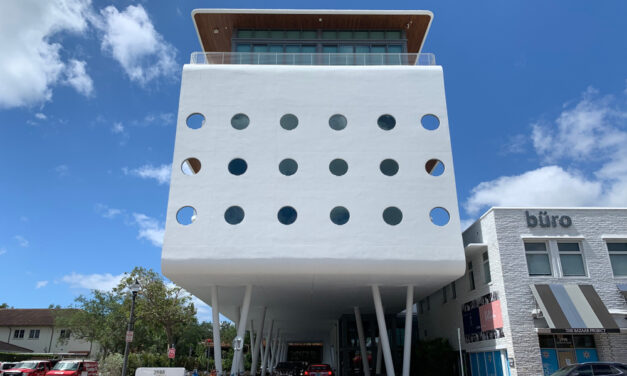
Miami’s commercial real estate market has seen significant growth and development in recent years, driven in large part by the city’s strong economic fundamentals and favorable business climate. With its strategic location, diverse economy, and thriving tourism industry, Miami has become a hub for commercial real estate investment, attracting both domestic and international investors.
The commercial real estate market in Miami encompasses a range of property types, including office, retail, industrial, and multifamily properties. The city’s downtown area has seen a surge in new office developments in recent years, with major projects such as Brickell City Centre and Miami Worldcenter attracting high-profile tenants and investors. The retail market has also experienced growth, with new shopping centers and luxury malls such as the Miami Design District and Brickell City Centre drawing both local and international shoppers.
The industrial real estate market has also been a strong performer in Miami, with the city’s strategic location and access to major ports and transportation hubs making it an attractive location for distribution and logistics centers. The multifamily market has seen steady growth as well, with rising demand for rental properties and a growing population of young professionals and retirees.
One of the key drivers of the commercial real estate market in Miami is foreign investment, particularly from Latin American and European buyers. Miami’s status as a global gateway city has made it a favored destination for international investors seeking stable and high-yielding investments. This has led to significant investment in the city’s commercial real estate market, with foreign buyers accounting for a large share of total transactions.
However, Miami’s commercial real estate market is not without challenges. Rising property values and rents have made it increasingly difficult for small businesses to afford commercial space, leading to concerns about the displacement of local businesses and the impact on neighborhood character. There are also concerns about the impact of climate change and sea level rise on the city’s real estate market, as rising sea levels and more frequent natural disasters threaten to erode property values and increase insurance costs.
In conclusion, Miami’s commercial real estate market is a dynamic and rapidly evolving sector, driven by the city’s strong economic fundamentals and favorable business climate. While foreign investment has played a significant role in the market’s growth, there are also challenges and concerns that must be addressed to ensure the long-term sustainability and inclusivity of Miami’s commercial real estate sector.

Top 5 Tips for Getting a Mortgage in Florida
As the owner of Mortgage Credit, I’ve helped countless people achieve their dream of homeownership in Florida. One of the most common questions I hear is, “How can I get a mortgage in Florida?” Whether you’re a first-time homebuyer or a seasoned homeowner, the mortgage process can be overwhelming. That’s why I’ve put together these top 5 tips to help you navigate the process and get the best mortgage for your unique situation.
Check Your Credit Score
Your credit score plays a crucial role in getting approved for a mortgage and determining your interest rate. Before you start the mortgage process, check your credit score and address any errors or issues. A higher credit score will increase your chances of getting approved for a mortgage and getting a better interest rate.
Get Pre-Approved
Getting pre-approved for a mortgage will give you an idea of how much you can afford to borrow and help you narrow down your search for a home. When you’re pre-approved, you’ll know exactly how much you can spend on a home, which can save you time and frustration during the home buying process.
Save for a Down Payment
Saving for a down payment can be a significant hurdle for many homebuyers. However, putting down a larger down payment can help you get approved for a mortgage and get a better interest rate. Aim to save at least 20% of the purchase price for a down payment.
Keep Your Debt-to-Income Ratio Low
Your debt-to-income ratio (DTI) is a measure of how much debt you have compared to your income. Lenders prefer a lower DTI, as it shows that you have more disposable income to make your mortgage payments. Aim to keep your DTI below 43%.
Work with a Reputable Lender
Choosing the right lender can make a significant impact on your mortgage experience. Look for a reputable lender with experience in the Florida market. They can help you navigate the mortgage process, offer advice on the best mortgage for your unique situation, and help you get the best possible interest rate.
In conclusion, getting a mortgage in Florida can be a challenging process, but these tips can help you navigate the process and get the best mortgage for your unique situation. Remember to check your credit score, get pre-approved, save for a down payment, keep your debt-to-income ratio low, and work with a reputable lender. If you have any questions or need help with the mortgage process, don’t hesitate to contact Mortgage Credit. We’re here to help you achieve your dream of homeownership in Florida.
Our Call to Action: If you’re looking to buy a home in Florida, Mortgage Credit can help you navigate the mortgage process and find the best mortgage for your unique situation. Contact us today to schedule a consultation with one of our experienced mortgage professionals. You can reach us at (786) 348-6862 or email us at aruiz@mtgcredit.com.
About Mortgage Credit: Mortgage Credit is a Miami-based mortgage company founded by Albert Ruiz. Our mission is to serve our customers with honesty, integrity, and competence. We aim to provide home loans to our clients while offering the lowest interest rates and closing costs possible. Our team is dedicated to helping borrowers overcome roadblocks that can arise while securing a loan.
Albert Ruiz
Mortgage Credit of America
10281 Sunset Drive, Suite 102
Miami, FL 33173
Phone: (786) 348-6862
aruiz@mtgcredit.com
Preserving the Art of Hand-Rolled Cigars: Miami’s Masterful Torcedores
Hand-Rolled Cigars Miami: The Art of Torcedores
If you are looking for authentic hand-rolled cigars Miami, the tradition is preserved by skilled torcedores who craft premium cigars by hand using carefully selected tobacco and time-honored techniques.
The Artistry Behind Hand-Rolled Cigars
Miami has a rich cigar culture. In fact, many cigar lovers appreciate cigars that are crafted by hand instead of machine-made products.
Hand-rolled cigars represent tradition, patience, and skill. Each cigar begins with the careful selection of tobacco leaves. Afterward, the leaves are prepared and arranged by expert cigar rollers.
These artisans are known as torcedores. Their experience allows them to create cigars with balanced flavor and excellent construction. As a result, cigar enthusiasts enjoy a smoother and more consistent smoke.
The Skill and Precision of Torcedores
Becoming a torcedor requires years of training. First, they learn how to identify different types of tobacco leaves. Next, they study how aging affects flavor and strength.
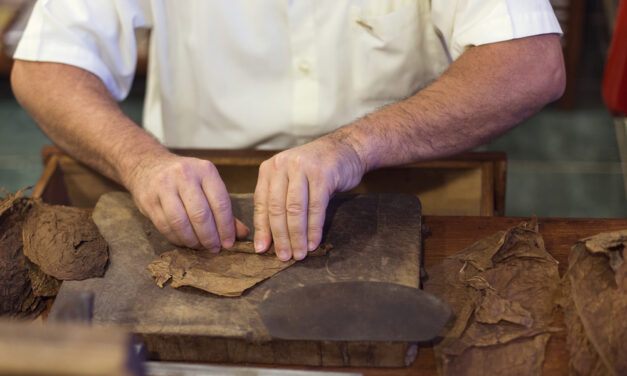
Torcedores carefully select the filler leaves, which control the cigar’s body and taste. Then they add the binder leaf to hold everything together. Finally, they apply the wrapper leaf.
The wrapper is the most delicate part of the cigar. Therefore, it must be smooth and perfectly applied. A well-placed wrapper improves both appearance and burn quality.
The Traditional Rolling Process
The rolling process is both technical and artistic. For example, torcedores use a traditional tool called a chaveta to cut tobacco leaves.
Their hands move with confidence and precision. At the same time, they check the texture, color, and moisture of the leaves. This attention to detail ensures every cigar meets high standards.
Additionally, the torcedor shapes the cigar into a uniform cylinder. Proper construction helps create an even burn and balanced airflow.
Why Hand-Rolled Cigars Matter in Miami
Miami has long been connected to cigar history. Cuban and Latin American traditions strongly influence the city’s cigar culture.
Because of this heritage, many cigar lounges and clubs proudly feature hand-rolled cigars Miami enthusiasts enjoy. These cigars represent authenticity and craftsmanship.
Moreover, watching a torcedor roll a cigar is an unforgettable experience. It allows cigar lovers to appreciate the work behind every smoke.
The Legacy of Miami’s Torcedores
Torcedores play a vital role in preserving cigar traditions. Without them, the art of hand-rolling could easily disappear.
Fortunately, many artisans continue to train new generations of cigar rollers. As a result, the craft remains alive in Miami today.
Cigar enthusiasts who enjoy these handmade cigars also become part of this legacy. Every cigar tells a story of dedication, culture, and skill.
Join the Miami Cigar Community
If you enjoy premium cigars, you are not alone. Miami has a passionate community of cigar lovers.
Join our Miami Cigar Club Facebook group to connect with fellow enthusiasts. Share experiences, discover new cigars, and celebrate the tradition of hand-rolled cigars Miami.