
Select Page

Communities

Widgetized Area

This panel is active and ready for you to add some widgets via the WP Admin

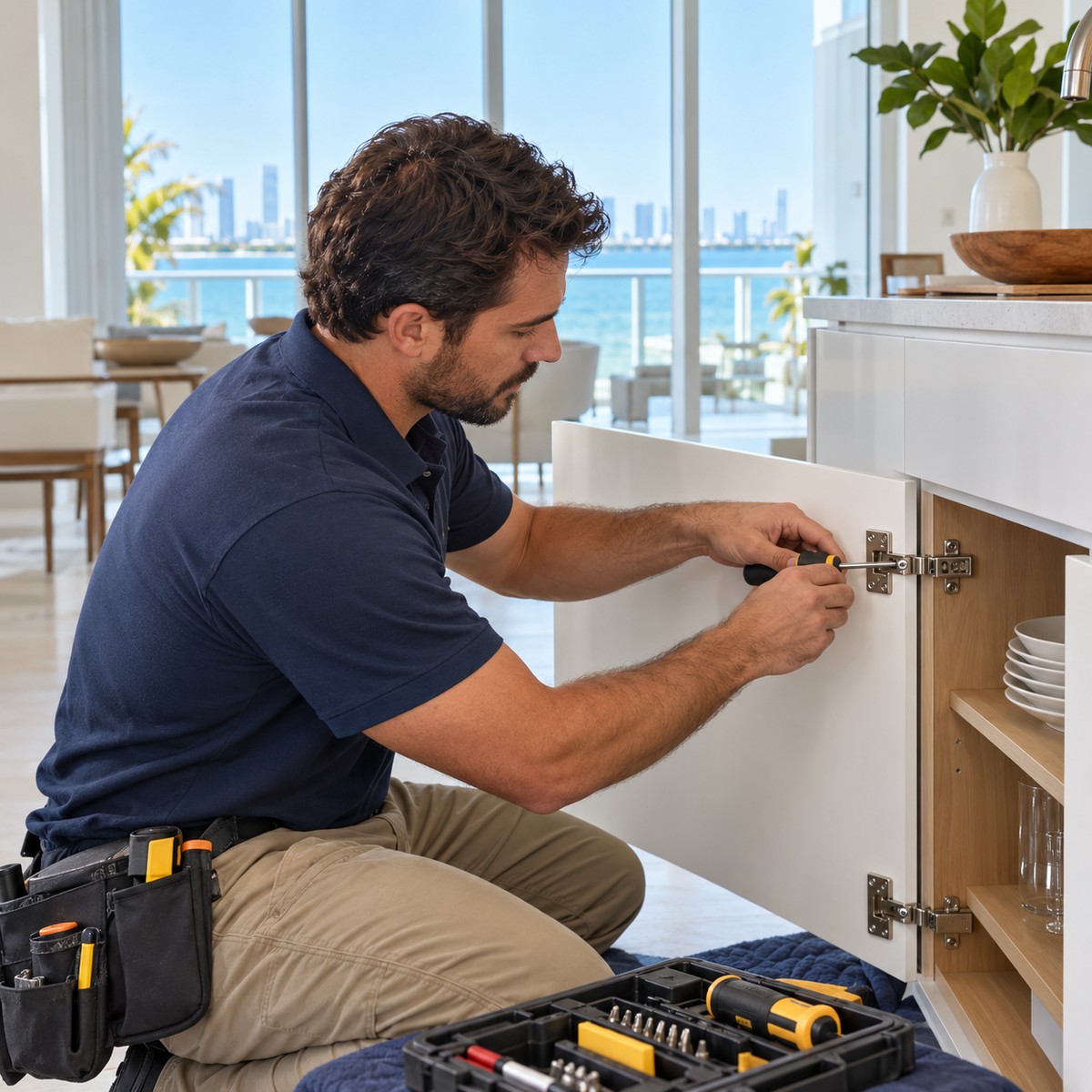
Home repairs in North Bay Village

Home repair work can range from a small fix to a larger project that affects several parts of a property. North Bay Village residents, property owners, and organizations can use this page to find and compare home repair providers in the area. Treat each listing as a starting point: contact the provider directly to confirm the current service area, availability, qualifications, and terms before choosing a service.

Home repairs services to explore

Depending on the provider, providers may handle general maintenance, carpentry, fixture replacement, drywall, painting, installation, or other repair requests. Some businesses focus on one specialty, while others offer several services through a single office. Ask which work is performed by the provider, what is handled by a partner, and whether the service is available for your particular project or situation. A clear description of the work helps you compare providers on similar terms.

How to compare home repairs providers

Start with the need, location, timing, and budget you have in mind. Request a written scope or explanation of what is included, how long the work may take, and what could affect the final cost. Compare experience with similar requests, communication practices, scheduling, payment terms, and the process for follow-up. If credentials, permits, insurance, or a written agreement apply to the service, ask for current details and verify them with the appropriate source.

Questions to ask before you decide

Ask what is included in the estimate, whether a site visit is needed, who supplies materials, how changes are approved, and what documentation or follow-up is provided. Review the answer alongside the provider’s listing and written terms. Ask for clarification if a service description is broad, a quote leaves out important work, or a timeline is uncertain. Confirm how to reach the business after the initial appointment and what steps are available if the service needs correction or further attention.

Find home repairs in North Bay Village

Browse the North Bay Village business directory to identify local listings and request current information. Compare providers using the same criteria so differences in scope, availability, and price are easier to understand. A directory listing is not an endorsement, and details should be verified directly with each business.

For municipal contacts and community information, visit the official North Bay Village website. Contact providers directly to confirm the details that matter for your needs and keep written estimates, policies, and agreements for reference.

‘Ohio Allapattah’ Project Heads to Miami Review Board

A new development proposal known as “Ohio Allapattah” is set to come before the Miami Urban Development Review Board, bringing fresh attention to the Allapattah neighborhood’s ongoing building momentum. The project is planned for 1368 NW 29th Street, a site in the heart of Allapattah, Florida, according to a report from Florida YIMBY.
The Urban Development Review Board, commonly referred to as the UDRB, is the City of Miami panel that reviews larger development proposals and offers design recommendations before projects move further through the approval pipeline. Board members typically weigh how a proposed building relates to its surroundings, including the street frontage, pedestrian experience, parking layout, landscaping and overall architectural treatment. Recommendations from the board are advisory, but they often shape how a project is refined before construction permits are pursued.
Allapattah has drawn steady interest from developers in recent years, due in large part to its central location and its connections to the surrounding employment centers, including the nearby medical and civic districts. The neighborhood’s mix of warehouses, small businesses, longtime residences and cultural institutions has made it one of the more closely watched areas in Miami for new residential and mixed-use construction. Projects proposed along corridors like NW 29th Street are part of a broader pattern of infill development reshaping blocks that have historically been industrial or underutilized.
For residents and business owners in the Allapattah area, UDRB hearings are one of the clearest early signals that a site is moving from concept to formal review. They also provide a window into what a finished building might look like, since the board’s agenda packages generally include site plans and elevations submitted by the applicant. Community members who want to follow the process can monitor the City of Miami’s published UDRB agendas, which list scheduled items and meeting details, and can review how the board’s comments are incorporated into later submissions.
Full project specifics for Ohio Allapattah, including unit counts, building height and construction timeline, were outlined in the applicant’s filing covered by Florida YIMBY. As with any proposal at this stage, plans remain subject to change as the review process continues. Readers are encouraged to consult the original reporting and official city records for the most current and complete details on the application.
Source: Florida YIMBY

This article was AI-generated from public sources & humanized (occasionally edits). MiamiBusiness.com is committed to transparent AI journalism. Please verify with original outlets.

Read More

Wynwood’s Billion-Dollar Momentum Highlighted in New Report

Wynwood is once again in the spotlight. A new installment of The Real Deal’s recurring “South Florida by the numbers” series takes a closer look at the neighborhood’s billion-dollar momentum, tracking the investment, development activity and commercial interest that have reshaped the former warehouse district into one of Miami’s most closely watched real estate submarkets.
The report frames Wynwood’s growth in terms of scale, pointing to the volume of capital that continues to flow into the area. Over the past decade, the neighborhood has evolved from a cluster of industrial buildings and street murals into a mixed-use district where creative office space, residential projects, retail storefronts, restaurants and galleries sit side by side. That transformation has drawn national developers and investors while keeping the arts identity that first put Wynwood on the map.
For local business owners, the momentum described in the report has practical implications. Sustained development typically brings more foot traffic, a larger residential base and additional daytime workers, all of which can benefit the independent shops, coffee bars, studios and eateries that line Northwest Second Avenue and the surrounding streets. At the same time, rising demand places pressure on rents and parking, a balance that Wynwood’s business improvement groups and property owners have worked to manage as the neighborhood matures.
Wynwood’s draw remains its blend of culture and commerce. The Wynwood Walls, the monthly gallery crawls and the concentration of design-driven retail continue to attract visitors from across Miami-Dade and beyond, while the neighborhood’s growing residential inventory is slowly turning a destination district into a place where people actually live. Readers interested in the specific figures behind the neighborhood’s billion-dollar story can review the full breakdown from The Real Deal, which compiles the data points driving Wynwood’s current cycle.
As the numbers suggest, Wynwood’s next chapter will likely be defined by how well the neighborhood pairs large-scale investment with the small, independent character that made it a destination in the first place.
Source: The Real Deal

This article was AI-generated from public sources & humanized (occasionally edits). MiamiBusiness.com is committed to transparent AI journalism. Please verify with original outlets.

Read More

Miami Weighs Upzoning 661 Parcels in Little Havana Area

Little Havana could see a significant shift in how its neighborhoods grow. Miami officials are considering an upzoning proposal that would affect 661 parcels across Little Havana, The Roads and Riverside, according to a report from The Business Journals. The measure would change the development rules on those properties, potentially allowing for taller buildings and a greater number of residential units than current zoning permits.
Upzoning is a planning tool cities use to increase allowable density in areas considered well-suited for additional housing. In practice, that often means property owners along key corridors can build more units on the same amount of land. For a neighborhood like Little Havana, where demand for housing has remained persistently high and available land is limited, the policy question is how to accommodate growth while preserving the scale and character that define the community’s streets, storefronts and cultural landmarks.
The inclusion of Little Havana parcels in the proposal is notable given the neighborhood’s density, its concentration of long-standing small businesses along Calle Ocho, and its role as one of Miami’s most recognizable cultural districts. Changes to zoning typically influence property values, redevelopment timelines and the mix of commercial and residential space over the long term. Residents, property owners and business operators in the Little Havana area may want to follow the item as it advances, since zoning decisions are among the most durable actions a city government takes.
Proposals of this type generally move through city planning review and public hearings before any final vote, giving neighbors and stakeholders opportunities to weigh in. For Little Havana, the discussion arrives amid broader conversations across Miami about housing supply, affordability and where new construction should be concentrated. Community groups, local merchants and homeowners often use these hearings to raise concerns about parking, infrastructure capacity, displacement risk and preservation of historic structures — or to voice support for added housing options near existing transit and employment centers. Anyone interested in how the 661 parcels are mapped should consult the official city documents and attend scheduled public meetings for accurate, parcel-level details.
Source: The Business Journals

This article was AI-generated from public sources & humanized (occasionally edits). MiamiBusiness.com is committed to transparent AI journalism. Please verify with original outlets.

Read More

Gencom, White Bridge Buy Downtown InterContinental for $300M

One of Downtown’s most recognizable hotels has a new ownership group. According to a report from The Real Deal, a partnership between Gencom and White Bridge has acquired the InterContinental hotel in downtown Miami for $300 million, marking one of the largest hospitality transactions to close in the Downtown area this year.
The InterContinental has long been a fixture of the Downtown skyline and a familiar landmark for residents, commuters and visitors moving through the urban core. Large hotels like it anchor the neighborhood’s convention, tourism and business-travel activity, supporting nearby restaurants, retailers and service businesses that depend on steady foot traffic. A sale of this size signals continued investor confidence in Downtown’s long-term position as a center for hospitality and commerce.
For the Downtown community, ownership changes at major hotels often carry practical implications. Hospitality properties of this scale are significant local employers, and they contribute to the area’s tax base and its calendar of conferences, galas and civic gatherings. Neighborhood stakeholders, including nearby small businesses and residential buildings, typically watch such transactions closely for signals about future renovations, programming and how the property will be positioned within the broader Downtown market.
The $300 million price point reflects the premium that institutional buyers continue to place on well-located Downtown assets with waterfront proximity and access to transit, cultural venues and the central business district. Downtown has seen sustained investment activity in recent years across hotel, office and mixed-use categories, and large hospitality trades are often read as a barometer for the neighborhood’s overall economic momentum.
Additional details about the buyers’ plans for the property were not outlined in the initial report. Residents, hotel employees and Downtown business owners seeking specifics on operations, branding or any planned improvements should follow updates from the ownership group and from outlets covering the transaction directly. For now, the deal stands as a notable vote of confidence in the Downtown area’s hospitality sector and its role in the local economy.
Source: The Real Deal

This article was AI-generated from public sources & humanized (occasionally edits). MiamiBusiness.com is committed to transparent AI journalism. Please verify with original outlets.

Read More

Coral Gables Secures Full Block Near City Hall in Deal

The City of Coral Gables has taken control of an entire block near City Hall following the acquisition of a medical office property, according to a report from The Real Deal. The purchase consolidates city ownership of a strategically located parcel in the heart of the Coral Gables civic district, giving municipal leaders greater flexibility over how the area is used in the years ahead.
Land assembly of this kind is relatively rare in a built-out city like Coral Gables, where downtown parcels are tightly held and rarely come to market as a complete block. By acquiring the medical office building, the city now controls contiguous frontage adjacent to one of its most recognizable landmarks, the historic Coral Gables City Hall on Miracle Mile. Municipal officials across South Florida have increasingly pursued similar strategies, buying property near government centers to preserve long-term options for civic facilities, parking, open space or public-private redevelopment partnerships.
For residents and business owners in Coral Gables, the acquisition is a development worth following. The blocks surrounding City Hall sit within walking distance of Miracle Mile’s shops and restaurants, the Coral Gables Museum and the downtown business corridor that anchors the city’s local economy. Any future use of the site would likely be shaped through the city’s established public review process, which typically includes commission discussion, community input and design standards that reflect the Mediterranean Revival character Coral Gables is known for protecting.
No final plans for the block have been announced. For now, the transaction represents a long-term real estate position rather than an immediate construction project. Still, the move signals that Coral Gables is thinking strategically about the future of its civic core at a time when downtown office and medical space across the region is being reevaluated. Property owners, brokers and nearby merchants will be watching closely, since decisions about a full block adjacent to City Hall can influence foot traffic, parking availability and property values throughout the surrounding downtown area.
Residents interested in the city’s real estate and planning decisions can follow updates through Coral Gables Commission meeting agendas, which are published publicly and typically include discussion of municipal property acquisitions and proposed uses.
Source: The Real Deal

This article was AI-generated from public sources & humanized (occasionally edits). MiamiBusiness.com is committed to transparent AI journalism. Please verify with original outlets.

Read More