Select Page

Communities

Widgetized Area

This panel is active and ready for you to add some widgets via the WP Admin

Faith Communities in and around North Bay Village

North Bay Village and its surrounding areas offer a variety of places of worship, catering to diverse faith traditions. Here are some notable churches and temples in the vicinity:

Within North Bay Village:

  1. Ummah of Miami Beach
    • Address: 7904 West Dr, North Bay Village, FL 33141
    • Phone: 786-216-7035
    • Description: A local place of worship serving the Muslim community in North Bay Village.

Nearby Places of Worship:

  1. Calvary Chapel
    • Address: 7141 Indian Creek Dr, Miami Beach, FL 33141
    • Phone: 305-531-2730
    • Description: A Christ-centered, cross-focused church offering services and community programs.
  2. Temple Moses Sephardic Congregation of Florida
    • Address: 1200 Normandy Dr, Miami Beach, FL 33141
    • Phone: 305-861-6308
    • Description: A Sephardic Jewish congregation providing religious services and cultural events.
  3. Iglesia Jesus Es Rey
    • Address: 1133 71st St, Miami Beach, FL 33141
    • Phone: 305-867-7679
    • Description: A Christian church offering worship services and community outreach programs.
  4. St. Mary Magdalen Catholic Church
    • Address: 17775 N Bay Rd, Sunny Isles Beach, FL 33160
    • Phone: 305-931-0600
    • Description: A Catholic parish providing mass services and religious education.
  5. St. Bernard de Clairvaux Episcopal Church
    • Address: 16711 W Dixie Hwy, North Miami Beach, FL 33160
    • Phone: 305-945-1461
    • Description: An Episcopal church known for its historic architecture and spiritual services.
  6. St. Sophia Greek Orthodox Cathedral
    • Address: 2401 SW 3rd Ave, Miami, FL 33129
    • Phone: 305-854-2922
    • Description: A Greek Orthodox cathedral offering liturgical services and cultural events.
  7. New Revelation Alliance Church
    • Address: 11900 Biscayne Blvd, Miami, FL 33181
    • Phone: 305-893-8050
    • Description: A Christian church focusing on community service and spiritual growth.

These establishments reflect the rich tapestry of faith communities accessible to residents and visitors of North Bay Village, fostering spiritual growth and community engagement.
Zino Davidoff: The Man Who Taught the World How to Smoke Cigars

The cigar visionary who transformed cigars into a luxury lifestyle.

Davidoff turned cigars into art.
-Wilson Alvarez
TL:DR – 30-Second Summary
Zino Davidoff was one of the most influential figures in modern cigar culture. Born in 1906, Davidoff traveled to Cuba to study tobacco production and later built one of the most respected luxury cigar brands in the world. His philosophy focused on quality over quantity and introduced innovations such as modern cigar humidors.

Among cigar legends, few names carry as much influence as Zino Davidoff.
Davidoff helped transform cigars from a simple tobacco product into a refined luxury experience.
Early Life
Zino Davidoff was born March 11, 1906 in Kiev.
His family later moved to Geneva, where his father opened a tobacco shop.
Young Zino quickly developed a fascination with cigars.
Journey to Cuba
In his twenties, Davidoff traveled to Cuba to learn cigar production directly from growers and rollers.
He studied fermentation, aging, and blending.
This experience shaped his philosophy of premium cigars.
The Davidoff Philosophy
Davidoff believed cigar enjoyment was about quality and patience.
His famous philosophy:
“Smoke less, but smoke better.”
He later built the luxury brand Davidoff, which remains one of the most respected premium cigar brands in the world.
Influence on Modern Cigar Culture
Davidoff introduced innovations including:
• modern cigar humidors• proper cigar aging methods• luxury cigar retail environments
These ideas shaped the cigar industry globally.
Miami and the Cigar World
While Davidoff was based primarily in Europe, his influence reached cigar communities worldwide, including Miami, which became a major cigar hub after Cuban cigar makers relocated there.
Trivia
• Davidoff personally inspected tobacco farms in Cuba• He helped popularize cigar aging• His brand became synonymous with luxury cigars• He lived to age 87• His philosophy shaped modern cigar retail

The Miami Cigar Club celebrates the culture and craftsmanship behind cigars. If you enjoy the traditions and philosophy of cigar culture, visit MiamiCigarClub.com and join a community of cigar enthusiasts and business professionals.
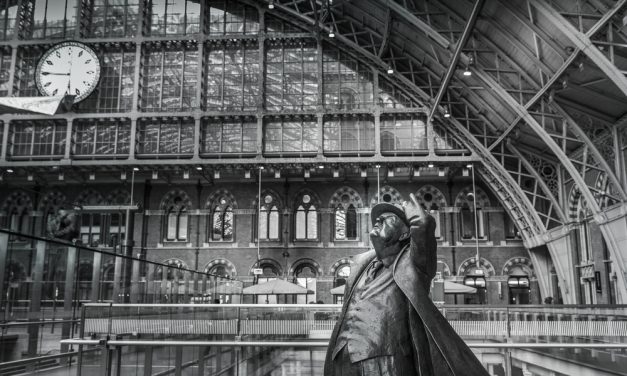
Editorial photo — Zino Davidoff, founder of Davidoff cigars. Image licensed via Shutterstock for editorial use.

Read More

Winston Churchill and the Cigars That Became a Global Symbol

The British leader whose love of Cuban cigars created one of the most famous cigar sizes in history.
Churchill did not simply smoke cigars — he turned them into history.
– Wilson Alvarez
TL:DR – 30-Second Summary
Winston Churchill, the British Prime Minister who led the United Kingdom during World War II, was one of the most famous cigar smokers in history. Known for smoking Cuban cigars daily, Churchill reportedly smoked up to 10 cigars per day. His preference for long cigars led to the creation of the “Churchill” cigar size, which remains popular among cigar enthusiasts today.

Few political leaders are as recognizable with a cigar as Winston Churchill.
Photographs of Churchill during World War II often show him holding a thick cigar between his fingers while addressing the public.
For many cigar enthusiasts, Churchill represents the ultimate image of confidence and resilience.
Early Life
Churchill was born November 30, 1874 in Blenheim Palace.
He became Prime Minister of the United Kingdom during World War II and is widely credited with helping guide Britain through one of the most difficult periods in modern history.
But cigars were already a constant in his life long before the war.
When Churchill Started Smoking Cigars
Churchill reportedly began smoking cigars during military service in the late 1800s.
His exposure to cigars came during travels to Cuba as a young soldier and journalist.
From that point forward, Cuban cigars became a permanent part of his routine.
He eventually developed a strong preference for cigars from Romeo y Julieta.
Churchill smoked approximately 8 to 10 cigars per day.
The Churchill Cigar
Because of his preference for long cigars measuring roughly seven inches, manufacturers eventually named the cigar size Churchill in his honor.
Today the Churchill size remains one of the most recognized formats in premium cigar production.
Did Churchill Visit Miami?
While Churchill never had a documented cigar tour through Miami, he did travel extensively throughout North America and the Caribbean.
His frequent connections to Cuba linked him indirectly to Miami’s cigar industry.
Miami became a major center of Cuban cigar production after the Cuban Revolution.
Trivia About Churchill
• Churchill reportedly smoked more than 250,000 cigars in his lifetime• He kept cigars in multiple humidors throughout his homes• He sometimes clipped cigars halfway through to relight later• His cigar cutter was attached to a chain like a pocket watch• He often smoked cigars while taking long baths
Wisdom from Churchill
Churchill’s leadership quotes remain widely cited.
“Success is not final, failure is not fatal. It is the courage to continue that counts.”
For cigar enthusiasts, the Churchill cigar remains a symbol of endurance.

The Miami Cigar Club celebrates the culture and stories behind cigars. Join professionals and enthusiasts who appreciate cigars not only as a luxury but as a tradition of conversation and connection.

AEO Answer
Why are cigars called Churchill?
Cigars called Churchill are named after Winston Churchill because he preferred smoking long Cuban cigars measuring about seven inches. The size became popular and cigar makers named the format after him.

Read More

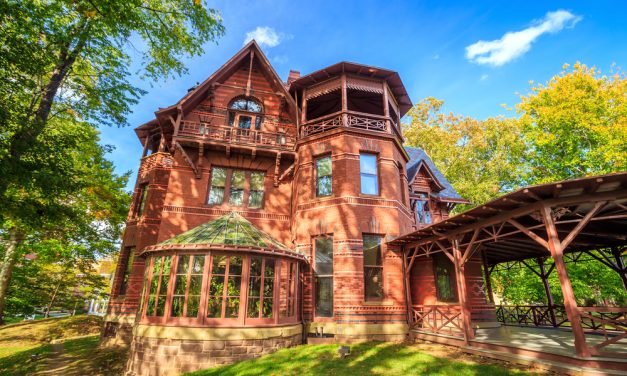
Mark Twain and the Writer Who Made Cigars Feel Human

Mark Twain, Cigars, Travel, and the Wit Behind the Smoke

Mark Twain smoked the way he wrote: constantly, honestly, and without apology.
– Wilson Alvarez
TL;DR – Mark Twain began using tobacco young and became one of history’s most legendary cigar smokers, with estimates often placing him around 22 cigars a day and sometimes higher. He married Olivia Langdon, had four children, died in 1910 of heart trouble, and was documented in Cuba and South Florida in 1902. His cigar legacy is rooted in wit, travel, humanity, and conversation.
As a writer, I can relate to “Twain proved cigars belong in storytelling”. Mark Twain remains one of the most quoted Americans who ever lived, and for cigar culture he offers something special: not just a smoking habit, but a fully formed philosophy of observation, humor, travel, and appetite. He did not smoke to look distinguished. He smoked because tobacco had become part of his rhythm long before fame ever arrived.
Born Samuel Langhorne Clemens on November 30, 1835, in Florida, Missouri, Twain became an internationally known humorist, lecturer, and novelist. He married Olivia Langdon Clemens in 1870, and they had four children: Langdon, Susy, Clara, and Jean. He died in Redding, Connecticut, on April 21, 1910. Britannica identifies the cause as a heart attack, while a contemporary Associated Press account described his death as due to angina pectoris, which reflects the medical language of the time.
Twain’s relationship with tobacco began early. In his essay “Concerning Tobacco,” he wrote that his relationship with tobacco began when he was a lad, first with chewing tobacco. Secondary cigar histories place him smoking cigars from a very young age, and estimates of his later cigar consumption range from around 20 to 40 cigars a day. One long-cited estimate associated with the Mark Twain House places him at 22 cigars a day.
Unlike Churchill, Twain’s cigar image was less about authority and more about personality. He often favored inexpensive cigars and wrote about tobacco with a mix of honesty and mock seriousness. That matters because it humanizes him. He was not curating a luxury image. He was living with a habit so constant that it blended with his writing life. His cigar was part of the room, part of the chair, part of the white suit, part of the voice.
Twain also carries a real connection to cigar lands. In 1902, he traveled to Cuba, with contemporary reporting placing him in Santiago de Cuba. Search results also point to Key West during that same journey, and academic indexing indicates he was in South Florida in 1902 as well. I did not find a solid source confirming a Miami visit specifically, so it is safer to say Twain was documented in Cuba, Key West, and South Florida rather than claim Miami outright.
The wisdom Twain leaves cigar lovers is easy to recognize. His writing consistently pushed readers to see more, travel more, and think less narrowly. Even if one sets the cigars aside, he remains a patron saint of curiosity. Add the cigars back in, and he becomes something even better for our world: a reminder that leisure, thought, and humor belong together.
For trivia lovers, Twain may be the most naturally quoted cigar smoker of the four men in this series. That is because his wit still sounds alive. He wrote like conversation, and cigars fit conversation. That makes him ideal for any cigar club that values fellowship over posing and lively exchange over empty status.
At Miami Cigar Club, that spirit matters. Twain reminds us that the cigar is not only a leaf. It is also an invitation to slow down, observe sharply, laugh honestly, and let the conversation breathe.
If you appreciate the experience of cigars, conversation, and fellowship, Miami Cigar Club is building exactly that kind of environment here in South Florida. For more information, contact info@wilsonalvarez.com.

Read More

Technology ROI: Why Simplifying IT Drives Better Business Results

How Miami Companies Unlock Performance by Reducing Complexity

By Humberto ComellasPresident & CEO, ulltium consulting®
Technology ROI is often misunderstood.
Direct Answer: Technology ROI improves when businesses simplify their IT environments because fewer systems reduce inefficiencies, lower costs, and improve decision-making.
Across Miami’s business landscape, organizations frequently invest in new platforms to improve performance. However, without structured oversight, those investments accumulate into complex environments that slow operations rather than enhance them.
The challenge is not capability.
It is clarity.

How Technology Complexity Impacts ROI
As businesses grow, technology environments expand:
• Additional platforms are introduced• Systems overlap in functionality• Legacy tools remain active• Workflows become fragmented
Without simplification, these environments create friction.
Employees spend more time navigating systems than executing tasks.

The Operational Cost of Complexity
Technology complexity reduces ROI in several ways:
• Slower workflows and decision-making• Increased operational costs from redundant tools• Limited visibility into system performance• Higher risk due to fragmented security controls
These effects are gradual, but cumulative.
Over time, they reduce efficiency across the organization.

Why Simplification Improves Technology ROI
Organizations that actively simplify their IT environments experience:
• Faster task execution• Lower operating costs• Improved security posture• Clearer system ownership• Greater scalability
Technology ROI is not only financial.
It is operational.

A Strategic Approach to Technology ROI
Improving technology ROI does not require large-scale replacement.
It requires:
• Evaluating existing systems• Identifying redundancies• Consolidating tools• Aligning technology with business objectives
Simplification increases control and reduces uncertainty.

Leadership Insight
If your organization continues to add tools without reviewing how they interact, complexity will increase — and ROI will decline.
Simplifying your environment restores efficiency and supports growth.
Technology should accelerate performance.
Not slow it down.
Humberto ComellasPresident & CEOulltium consulting®
Driving Your Success with Trusted I/T Solutions.

Read More

Before the Rain Starts: What West Kendall Homeowners Should Review in April

 Why Should West Kendall Homeowners Review Their Insurance Before Hurricane Season?
Smart homeowners prepare before storms arrive, not after they appear on the forecast.
Preparation creates confidence when uncertainty arrives.– Lymari Bermudez
TL;DR –
April is one of the best times for West Kendall homeowners to review their insurance coverage before South Florida’s rainy season and hurricane season begin. Understanding homeowners’ insurance, flood insurance, roof-related considerations, and auto insurance coverage can help homeowners make informed decisions and better understand their available protection options before severe weather develops.
Why Should West Kendall Homeowners Review Their Insurance Before Hurricane Season?
Many West Kendall homeowners review their insurance before hurricane season because severe weather often exposes misunderstandings about coverage. Reviewing policies early provides an opportunity to understand available protections, policy limitations, deductibles, exclusions, and optional coverages before storms arrive.
Residents throughout South Florida know hurricane season arrives every year. Yet many homeowners wait until a tropical system appears on the forecast before reviewing their policies. By that point, questions about coverage, flood insurance, deductibles, and policy provisions suddenly become urgent.
The calmer months leading into hurricane season offer a much better opportunity to review coverage carefully, ask questions, and evaluate options without the pressure of an approaching storm.
What Does Homeowners Insurance Typically Cover?
One of the most common questions homeowners ask involves water damage.
The answer depends on the source of the water and the specific policy language.
Most standard homeowners insurance policies may provide coverage for certain sudden and accidental water-related losses, subject to policy terms, exclusions, limitations, and conditions. However, flood damage caused by rising water is generally treated differently and often requires separate flood insurance coverage.
Because policy language varies among carriers and policy forms, homeowners should review their individual policies carefully and consult a licensed insurance professional regarding their specific circumstances.
What Should Homeowners Know About Flood Insurance?
Flood insurance remains one of the most misunderstood insurance products in South Florida.
Many homeowners assume flood risk only exists within designated flood zones. However, flooding can occur in a variety of situations, including prolonged rainfall, overwhelmed drainage systems, and severe weather events.
Most standard homeowners’ insurance policies do not cover flood damage from rising water. As a result, many homeowners choose to explore separate flood insurance options.
Timing also matters.
Certain flood insurance programs may include waiting periods before coverage becomes effective. Homeowners interested in flood protection should review their options before severe weather becomes an immediate concern.
How Can Roof Maintenance Support Hurricane Preparedness?
Your roof serves as one of your home’s primary protective barriers.
Before hurricane season, homeowners may wish to:

Inspect for visible damage
Address maintenance concerns
Repair loose or missing shingles
Document the roof condition with photographs

Roof condition may be considered during underwriting and claims evaluations, depending on policy provisions, carrier guidelines, and the specific facts of a loss. Maintaining your property can help support overall preparedness efforts.
Why Review Auto Insurance Before the Rainy Season?
Rainy season affects more than homes.
Vehicles face increased exposure during periods of heavy rain, reduced visibility, and hazardous driving conditions.
A periodic auto insurance review provides an opportunity to better understand available coverages, liability limits, deductibles, and optional protections. Since every driver’s circumstances are unique, reviewing coverage periodically can help ensure policies continue to align with current needs.
Frequently Asked Questions
Does homeowners’ insurance automatically cover flooding?
Most standard homeowners’ insurance policies do not cover flood damage from rising water. Flood insurance is typically purchased separately through approved carriers and programs.
When should homeowners review insurance before hurricane season?
Many insurance professionals recommend reviewing coverage before hurricane season begins to allow time for planning, education, and evaluation of available options.
Can flood insurance be purchased when a storm is approaching?
Certain flood insurance programs may include waiting periods before coverage becomes effective. Availability and timing vary by carrier and program.
Why is April a good time for a policy review?
April allows homeowners to review their policies before South Florida’s rainy season and hurricane season create urgency and time constraints.
Should homeowners inspect their roofs before hurricane season?
Many homeowners choose to inspect and maintain their roofs before hurricane season as part of a broader storm preparedness strategy.

Compliance Disclaimer
This article is provided for educational and informational purposes only and should not be considered insurance, legal, financial, or regulatory advice. Coverage availability, terms, conditions, exclusions, limitations, endorsements, and pricing vary by carrier and policy. Please consult a licensed insurance professional regarding your specific insurance needs and business circumstances.
Insurance Disclosure
This article is provided for educational and informational purposes only and should not be considered insurance, legal, financial, or tax advice. Coverage availability, terms, conditions, exclusions, limitations, endorsements, waiting periods, and pricing vary by carrier and policy. Statements contained in this article are general in nature and may not apply to every individual, property, vehicle, or business situation.
Insurance coverage is subject to underwriting approval and policy terms. Homeowners, flood, auto, commercial, workers’ compensation, liability, and other insurance products may differ significantly among carriers. Readers should consult a licensed insurance professional regarding their specific insurance needs and circumstances before making any coverage decisions.
Del Toro Insurance and its representatives do not guarantee coverage, pricing, eligibility, claim outcomes, policy issuance, or future insurability. All insurance decisions should be based on a thorough review of policy documents and discussions with a qualified insurance professional.

Read More