
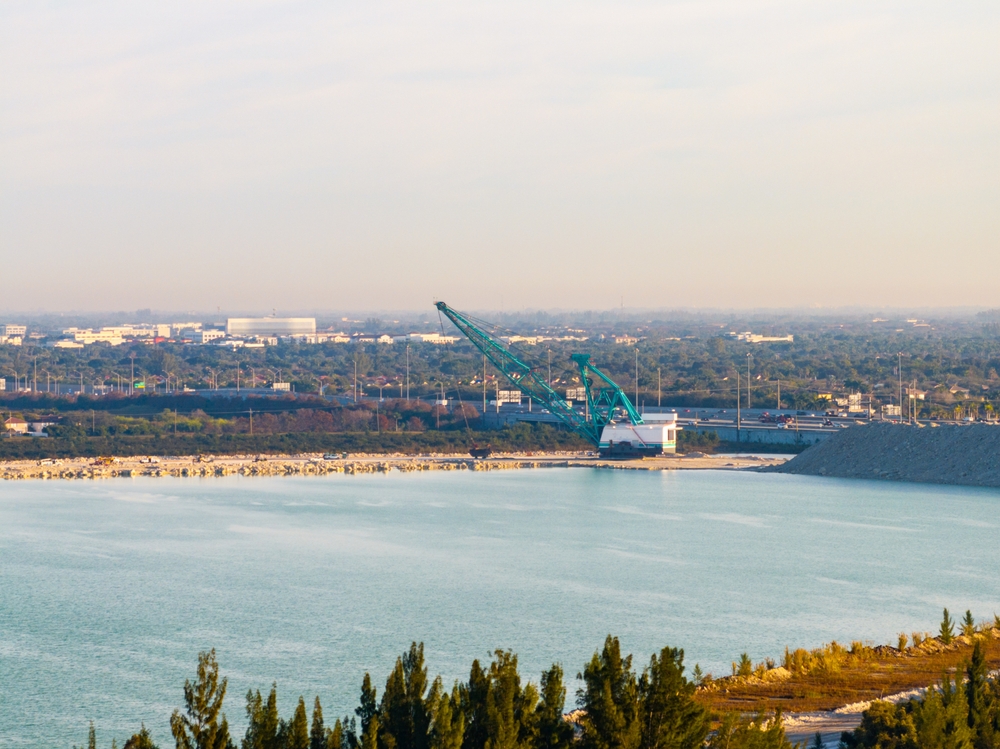
Countyline Corporate Park Expands
Countyline Corporate Park Expands: Hialeah’s Industrial Engine Roars Forward
Hialeah continues to prove it’s more than just residential rooftops and retail. In November 2024, Terreno Realty Corporation announced the full lease-up of Building 31, a 162,000-square-foot industrial distribution center, at the ever-expanding Countyline Corporate Park.
This development is not a one-off. Terreno also finalized leases for Building 33, a 158,000-square-foot facility, to a third-party logistics provider, a food purveyor, and an elevator parts distributor. Together, these new assets mark a significant chapter in Hialeah’s industrial growth story.
Inside Countyline Corporate Park Phase IV
Spanning 121 acres, Phase IV of Countyline Corporate Park is no ordinary warehouse zone. It’s a logistics and distribution powerhouse in the making. Once complete, the development will include 2.2 million square feet of high-performance commercial space.
Located near I-75 and the Florida Turnpike, the site is strategically positioned to serve not just Hialeah, but all of South Florida.
Why These Facilities Matter
What makes these leases noteworthy?
Job creation: Every new lease means new jobs—both construction and long-term employment.
Diverse tenants: Logistics, food distribution, and elevator manufacturing reflect a wide industrial appeal.
Efficient delivery: The proximity to key highways reduces travel time and boosts fulfillment capabilities.
Terreno Realty’s success in fully leasing both buildings speaks volumes about Hialeah’s logistical appeal.
The Rise of Industrial Real Estate in Hialeah
This isn’t the first big play in Hialeah’s industrial boom—and it won’t be the last. As e-commerce grows and companies demand faster distribution networks, industrial space near major highways is prime real estate.
Hialeah is becoming one of the most desirable distribution hubs in Florida, offering cost-effective square footage, reliable infrastructure, and a ready workforce.
Strategic Economic Development
Countyline Corporate Park isn’t just about buildings. It’s part of a vision to position Hialeah as a center for logistics, manufacturing, and smart infrastructure. As new tenants move in, their operations will generate tax revenue, increase local spending, and support business-to-business networks throughout Miami-Dade County.
Takeaway
Countyline Corporate Park is reshaping Hialeah’s commercial identity. What was once considered a residential stronghold is now a serious contender for industrial leadership in South Florida. With Phase IV moving rapidly toward completion, this is the kind of momentum that draws national attention.
Call to Action
Looking to position your company in a logistics-ready hub?📞 Call Wilson Alvarez at 305-386-6165 or visit WilsonAlvarez.com to explore how you can tap into Hialeah’s industrial revolution.

Sylvester Stallone in Miami
Every mansion tells a story; Stallone’s told one of persistence and success.
-Wilson Alvarez
Sylvester Stallone’s life is a story of perseverance and resilience. He overcame incredible odds to reach the heights of Hollywood fame. From homelessness to Academy Awards, his journey inspires people to dream big and never give up.
Before fame, Stallone lived a tough life. He sold his wife’s jewelry and slept at a bus station. In a heartbreaking moment, he sold his dog for $25 because he couldn’t afford to feed it. But even in his lowest moments, Stallone never stopped fighting for his dreams.
One pivotal moment changed everything. Watching Muhammad Ali’s fight with Chuck Wepner, Stallone found inspiration. He wrote the Rocky script in just 20 hours. Studios offered big money for the script but didn’t want him as the lead actor. They said he “looked funny and talked funny.” Stallone refused to sell unless he played the role of Rocky. Finally, he struck a deal, earning $35,000 and his breakthrough role.
The success of Rocky changed Stallone’s life. The film won three Oscars, and Stallone was nominated for Best Actor. His determination to star in the movie proved that self-belief could defy the odds. Years later, he even bought back his dog for $10,000, a full-circle moment that symbolized his perseverance.
Stallone’s Miami Chapter
In the 1990s, Stallone brought his unique story to Miami. He purchased a waterfront mansion in Coconut Grove. The property became a reflection of his Hollywood success, offering breathtaking views of Biscayne Bay. Stallone lived there with his family, adding his star power to Miami’s already glamorous reputation.
Miami wasn’t just a place of residence for Stallone. It became part of his career. While living there, he starred in The Specialist (1994). The movie showcased iconic Miami landmarks, blending Stallone’s Hollywood charm with the city’s vibrant culture.
A Businessman in Miami
Stallone also expanded his portfolio into business ventures. He co-founded Planet Hollywood in 1991 alongside Bruce Willis and Arnold Schwarzenegger. Miami became one of the key locations for this themed restaurant chain. Stallone’s involvement showed his ability to translate his movie star persona into business success.
Why Miami?
Stallone’s choice to live in Miami reflected his appreciation for its energy and culture. The city offered luxury, privacy, and a vibrant film community. Miami became a backdrop to some of his best years, blending work and family life seamlessly.
“Success is usually the culmination of controlling failure,” said Sylvester Stallone. This quote encapsulates his Miami chapter perfectly. Stallone’s story is one of second chances and turning struggles into triumphs. His resilience mirrors Miami’s own spirit as a city of reinvention and opportunity.
Stallone’s life proves the importance of persistence. No matter how difficult the journey, staying true to your dreams can lead to incredible success. From Rocky to Miami, Stallone’s story reminds us that the fight is worth it.
Let Sylvester Stallone’s story inspire your next bold move. Whether pursuing a dream or starting anew, take the first step today.

Mayte Vizcaino
A single act of kindness can ripple through countless lives—just ask Mayte Vizcaino.-Wilson Alvarez
A Miami Rising Star is someone whose efforts and achievements uplift their community, inspire others, and create meaningful change. At MiamiBusiness.com, we are honored to recognize Mayte Vizcaino as a Miami Rising Star. As the Director of Philanthropy and Engagement at Live Like Bella® Childhood Cancer Foundation, Mayte embodies leadership fueled by passion and purpose.
Born and raised in Miami, Mayte always dreamed of becoming a teacher. Her journey led her to study early childhood education and public administration, but her career path took an unexpected turn. Today, she channels her skills, compassion, and determination into supporting families battling childhood cancer through her work at Live Like Bella.
In just two and a half years, Mayte has played a pivotal role in growing Live Like Bella, both financially and strategically. Her primary responsibility is fundraising, and her success has directly translated into providing more resources and assistance for families of children with cancer. Her contributions have significantly advanced the foundation’s goal of achieving nationwide and international recognition.
Mayte’s dedication is deeply personal and driven by her desire to make a profound difference in the lives of families. During a pivotal conversation with Live Like Bella’s Chairman, Raymond Rodriguez-Torres, she asked about his vision for the foundation’s future. His response—to make Live Like Bella a globally recognized organization and work toward curing childhood cancer—sparked a deeper commitment in Mayte to expand the foundation’s reach and impact.
The mission of Live Like Bella is rooted in love, resilience, and hope. The foundation was created by a family who lost a child to cancer, honoring Bella’s legacy of joy, compassion, and unshakable love for life. Today, Live Like Bella offers emotional and financial support to families in need across the globe. Through her work, Mayte ensures this legacy continues to thrive and grow.
With 18 years of experience in development and public service, Mayte has mastered the art of building lasting, meaningful relationships. Her ability to connect with donors, sponsors, and community partners through innovative strategies has been instrumental in achieving Live Like Bella’s ambitious fundraising goals. Her efforts have not only strengthened the foundation but have also amplified its ability to serve more families in need.
Mayte’s vision for the next five years is clear and ambitious. She is dedicated to ensuring that every family fighting childhood cancer feels supported and seen. Her work goes beyond raising funds—it brings hope to those who need it most.
As Maya Angelou once said, “Try to be a rainbow in someone’s cloud.” Mayte exemplifies this sentiment, shining a light for families facing their darkest days. Her unwavering dedication reminds us that even one person’s commitment can create an extraordinary ripple effect of change.
The takeaway is simple yet powerful: Mayte Vizcaino’s story demonstrates the transformative power of purpose-driven work. By combining passion, perseverance, and a heart for service, she uplifts her community and inspires us all to do the same.
If Mayte’s story has inspired you, consider supporting Live Like Bella’s mission. You can make a difference through donations, volunteering, or simply spreading the word. Together, we can help children and families facing the challenges of childhood cancer and honor Bella’s enduring legacy of love and hope.
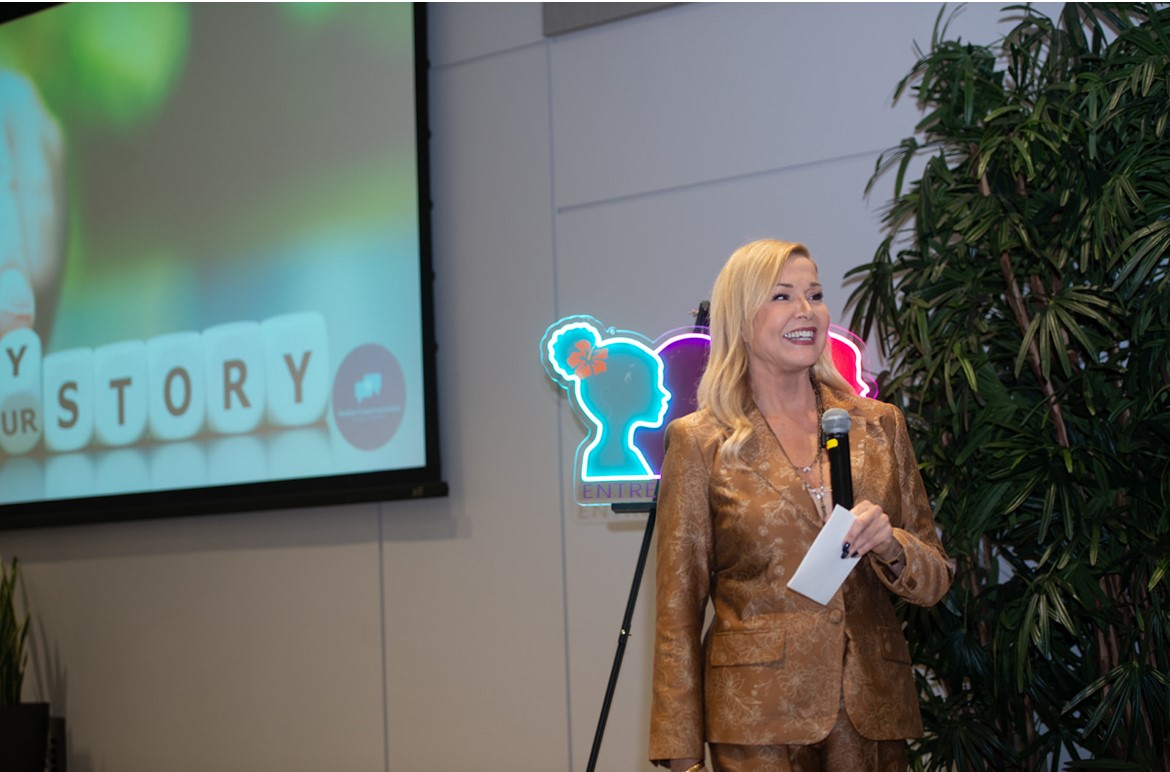
Sandra Peebles – Mastering the Art of Public Speaking
Mastering the Art of Public Speaking: Tips from an Emmy Award-Winning Journalist
Public speaking is a skill that can shape your professional success. Whether in a boardroom, on stage, or in front of a camera, how you communicate matters. A clear message, confidence, and strong delivery make all the difference.
Yet, many professionals struggle with speaking in public. Nerves, lack of structure, and unclear messaging can derail even the most knowledgeable speakers. But public speaking is a skill you can improve with the right guidance.
Building Confidence Through Preparation
Confidence starts before you ever step in front of an audience. Preparation is key. Know your topic inside and out. Anticipate questions and practice your responses.
Rehearsing out loud helps you refine your tone and delivery. Recording yourself can highlight areas to improve. The more you prepare, the more natural and engaging you will sound.
Crafting a Clear and Impactful Message
Your audience should understand your message within the first few moments. Get to the point quickly. Use simple words and avoid jargon.
Structure your speech with a beginning, middle, and end. Tell a story, provide examples, and leave your audience with a clear takeaway. Strong public speakers make complex ideas easy to grasp.
Using Body Language and Vocal Variety
Your voice and body language are powerful tools. Maintain good posture, make eye contact, and use hand gestures naturally. These small adjustments build credibility and keep your audience engaged.
Vocal variety prevents monotony. Adjusting your pitch, pace, and tone can emphasize key points. A well-timed pause can be just as impactful as words.
Handling Nervousness Like a Pro
Even seasoned professionals get nervous before speaking. Channel that energy into enthusiasm for your topic. Deep breathing and visualization techniques can help you stay calm.
Focus on the message, not yourself. The goal is to connect with the audience, not to deliver a perfect speech. Mistakes happen—keep going with confidence.
Great public speakers create a two-way experience. Engage with eye contact, acknowledge reactions, and encourage participation when appropriate.
If speaking on-camera, imagine you’re talking to one person. This personal approach makes your message feel authentic and relatable. Connection is the key to being memorable.
Some of history’s greatest leaders were also powerful speakers. As Warren Buffett once said, “The best investment you can make is in yourself.” Public speaking is an investment that pays dividends in leadership, influence, and career growth.
Improving your speaking skills is a journey. Every presentation is a chance to refine your craft.
Public speaking is not about perfection—it’s about connection. With preparation, confidence, and clarity, anyone can become a great communicator.
Ready to transform your speaking skills? Work with an Emmy Award-winning journalist and communication coach to build confidence, refine your message, and elevate your presence. Contact Sandra Peebles today and start speaking with impact!

Clubs in the 80’s
Denyse LePage Welcomes you!
by Denyse LePage
https://miamibusiness.com/wp-content/uploads/2024/11/Denise-LePage.mp3
Miami Clubbing, 1977–1989: The Nightclubs, DJs and Music That Defined an Era
Remembering South Florida nightlife from the final years of disco through the rise of new wave, Italo disco and freestyle
The voice you hear welcoming you to 80’s Clubbing in Miami is Denyse LePage of the legendary Canadian Italo-disco group Lime. Denyse loved Miami, its people, and its clubbing scene. She was also a friend of the 80’s Clubbing in Miami Facebook group. Denise passed away in 2026, but her voice, music, and joyful spirit will always be part of this community. We dedicate this history to her memory.
What Was 1980s Clubbing in Miami Like?
Miami clubbing in the 1980s was a colorful mix of disco, Italo disco, new wave, freestyle, electronic dance music and Latin influence. The clubs were social centers where the DJ, fashion, sound system and crowd all mattered. Every venue had its own personality, from glamorous Miami Beach nightclubs to teen discos in Hialeah and large dance clubs throughout South Florida.
The resident DJs were the heartbeat of the scene. Long before streaming playlists and automated recommendations, they selected every record, read the dance floor and created the musical identity of each club. Their mixes became the soundtrack to friendships, romances and unforgettable weekends.
This history is intentionally limited to clubs active at some point between 1977 and 1989. It preserves the era through surviving articles, personal recollections and contributions from the people who experienced Miami nightlife firsthand. Later venues—including Van Dome and Club 609—belong to Miami’s 1990s club story and are not included here. Some details remain part of the community’s shared oral history and may be updated as new photographs, advertisements and firsthand accounts are discovered.
About 80’s Clubbing in Miami
Club80Miami.com began as a Facebook fan community devoted to preserving Miami’s iconic 1980s club scene. Interviews with DJs grew into conversations with recording artists, club employees, promoters, and the people who filled the dance floors.
Wilson Alvarez, a 1984 graduate of South Miami Senior High, founded the project and personally experienced the era. As a teenager, his weekends could include Casanova’s, Fire & Ice, Stefano’s, Infinity, Club Z or 1235, Backstreets and Sunday’s by the Bay. Afterward, La Palma was a favorite stop for churros, hot chocolate and fritas.
The purpose of 80’s Clubbing in Miami is simple: document the clubs, DJs, music, fashion and personal stories of the era before they disappear from our collective memory.
Miami Nightclub Fashion in the 1980s
Fashion was part of the experience. Clubgoers remember Fiorucci, WillieWear, Giorgio Brutini, Capezio, espadrilles, Girbaud jeans and Europa shoes. The look was polished, colorful and inspired by the pages of GQ and the music videos of the era.
At The Forest, the especially sharp-dressed young ladies were affectionately called “las plástica, pero fantásticas.” Meanwhile, the famous chaperonas remained watchful, making sure everyone—and everything—stayed in check.
Legendary Miami and South Florida Nightclubs of the 1980s
The Forest — Hialeah
The Forest was one of Hialeah’s most memorable teen nightclubs during the early 1980s. The alcohol-free club could welcome as many as 800 people and opened on Fridays, Saturdays and selected Sundays during holiday weekends. A surviving period article listed admission at $3 on Fridays, $4 on Saturdays and $5 for special monthly entertainment events.
Resident DJ Robert Noroña knew how to read the crowd and keep the dance floor alive with consistently great music. Younger clubgoers enjoyed The Forest, while those who were old enough often went across the street to Casanova’s. Robert’s music made The Forest an unforgettable part of Hialeah nightlife.
Casanova’s — 740 East 9th Street, Hialeah
Casanova’s was one of Hialeah’s most beloved nightclubs and is often remembered as the city’s answer to Studio 54. DJ Carlos “No Show” Nodal established its musical identity. A young Ciro Llerena first backed up and shared DJ duties with Carlos. After Carlos passed away, Ciro became the club’s resident DJ and later honored its legacy through Casanova’s–Saturday Night Fever reunion events that he still does today.
For many young Miamians, The Forest and Casanova’s represented two stages of the same nightlife journey: the teen crowd danced at The Forest, while the older crowd gathered across the street at Casanova’s.
Club Z and 1235 — 1235 Washington Avenue, Miami Beach
Club Z became known for new wave, alternative and electronic music, with Tommy Moore (RIP) there on Opening night and Frank Corr (RIP) Saturday Night Main Resident Dj remembered by the community. The venue later became Club 1235, one of the defining Miami Beach nightclubs of its era.
The DJs who helped define Club 1235 on Saturday Nights included Raul Fernandez, Bill Hallquist, Rick Quintero and Abel Aguilera. Rick Quintero was especially associated with its Saturday nights, while special broadcasts on Miami radio helped carry the club’s music beyond the dance floor. Its large dance spaces, lighting and powerful sound made 1235 a destination for locals and visitors. The site later housed Paragon with Dj Abel Aguilera and Mansion, but many clubgoers still remember it simply by its famous address: 1235.
Alexandre and Allegros — Omni Hotel, Downtown Miami
Alexandre, later known as Allegros, brought an upscale hotel-club atmosphere to downtown Miami. Community memories also connect a young Andy Garcia to Alexandre’s light show before his rise as an internationally known actor.
Alcazaba — Hyatt Regency Miami
Alcazaba opened in 1988, with resident DJ Alex Gutierrez placing it within the final two years of this history. The Hyatt Regency nightclub became far more closely associated with Miami nightlife during the 1990s, but its story began before the 1980s ended. It is included here as a bridge between two clubbing generations rather than as a venue that defined the entire decade.
Backstreets — Fort Lauderdale
Original DJ was Scott Blackwell then DJ Bob Miro where behind the music, Backstreets became known for its large, multi-area setting and welcoming mix of clubgoers. The Western-style complex included a dance floor, bars, a pool and a jacuzzi. The venue later became The Edge.
Banana Boat — Sunset Drive and 107th Avenue
The Banana Boat in Kendall is remembered for its lively atmosphere and the music of DJ Avy Gonzalez, who later became associated with Miami’s recording and production scene, including the freestyle era.
Cheekers — Dania
Cheekers is remembered by South Florida clubgoers for its relaxed atmosphere and location near the beach. Additional photographs, advertisements and firsthand memories are welcomed as this history continues to grow.
Faces in the Grove — Mayfair, Coconut Grove
Faces in the Grove offered an elegant alternative to more casual dance clubs. Its formal dress code, Mayfair setting and sophisticated crowd made it one of Coconut Grove’s distinctive nightlife destinations. DJ Scott Blackwell is remembered for bringing technical skill and musical imagination to its dance floor.
Firehouse Four — 1000 South Miami Avenue
Firehouse Four became famous for energetic happy hours that sometimes spilled onto the sidewalk. DJ Roli supplied the music that helped make it a Brickell-area nightlife favorite.
Fire & Ice (3841 NE 2nd Avenue, Miami Design District)Fire & Ice was one of Miami’s great alternative nightclubs of the 1980s—a place where new wave, post-punk, goth, electronic music, fashion and art all collided. Unlike many of Miami’s more traditional disco and freestyle clubs, Fire & Ice attracted a creative crowd that wanted something different.
Carlos Menendez became one of the club’s resident DJs after his time at the Beat Club, while Tony Garcia and other DJs were also associated with Fire & Ice during its run. The music could move from The Cure and The Smiths to Siouxsie and the Banshees, Echo & the Bunnymen and the emerging electronic sounds of the era.
The club also became an important gathering place for Miami’s young artists. Beginning in 1984, Howard Davis’s Artifacts Artist Group staged weekly events there, turning Fire & Ice into something that was part nightclub, part art experiment and part meeting place for Miami’s developing alternative culture.
I remember Fire & Ice as one of my Thursday-night stops. And that’s what made the Miami club scene so incredible—you could go from one club with an entirely different crowd and soundtrack to another only a few miles away. Fire & Ice had its own identity. You knew when you walked through those doors that you were entering a different side of Miami.
Gambits — Marriott on LeJeune Road
Located near Miami International Airport, Gambits mixed the atmosphere of a hotel club with the energy of Miami nightlife. DJ George Rivero is remembered as an important part of the club’s sound.
Honey for the Bears — Miami
Honey for the Bears was known for a polished crowd, an upscale atmosphere and a strict dress code. DJs Carlos Nodal and Jimmy Yu are among the names associated with its dance floor.
Limelight — Hallandale
Built on the former Rumbottoms site, Limelight raised expectations with an elaborate sound and lighting system. DJ Bobby Lombardi helped shape its early sound, and Lewis Martineé, later widely known for his work in Miami freestyle, also became associated with the club. A fire eventually brought Limelight’s run to an end.
Manhattans — 6620 Red Road, South Miami
Located near the University of Miami, Manhattans attracted students and local residents with a lively dance floor inspired by the disco era. DJ Billy Swan is remembered for keeping the room moving with disco, funk and dance music. Dj Charlie Kabbaby followed Billy Swan’s residency
The Mutiny — Mutiny Hotel, Coconut Grove
The Mutiny remains one of the most talked-about names in Coconut Grove nightlife. Known for luxury, exclusivity and a colorful clientele, it reflected a dramatic period in Miami history. DJs Jimmy Yu and Humberto Fleites are remembered among the figures who helped create its musical atmosphere.
Parallel Bar — Bakery Centre, South Miami
PARALLEL BAR — BAKERY CENTRE, SOUTH MIAMI The Parallel Bar transformed from a daytime fitness space into a two-story nightclub after dark. DJ George Alvarado and Bill Hallquist were the main resident DJs and helped establish its musical identity. The Bakery Centre was later demolished and replaced by what became Sunset Place.
Pete & Lenny’s — Commercial Boulevard, Fort Lauderdale
Pete & Lenny’s was a major South Florida disco destination in the late 1970s and early 1980s. DJs Rick Alonso and Jay Gelfand are remembered as central to its sound.
Regulars especially remember the downstairs Banana Boat room, where the dance floor dominated the intimate space. With a Bozak mixer and three turntables, Rick Alonso created a close connection between the DJ and dancers. Pete & Lenny’s was also associated with the Disco 77 television program.
Salvations — Downtown Miami
Salvations was one of those Downtown Miami clubs that you didn’t easily forget. During its legendary late-1970s and early-1980s run, it attracted an eclectic crowd and became particularly important to Miami’s LGBTQ+ nightlife community, while also drawing plenty of crossover clubgoers who simply wanted great music and a great party.
Behind much of that soundtrack was DJ Bobby E, remembered affectionately by old-school patrons simply as “Bobby E.” As Salvation’s resident DJ, he controlled the sound system and helped create the energy that made the club such a memorable part of Miami nightlife.
Bobby E’s sets blended heavy basslines, classic soul, high-energy disco, and the emerging electronic sounds that were beginning to change dance music during the 1979–1983 period. Former patrons especially remember the energy surrounding Salvation’s Sunday T-Dances and its famously wild toga parties.
This was the kind of place where the DJ didn’t simply play records—he controlled the night. For the people who packed Salvation’s dance floor, Bobby E’s music became part of the soundtrack of those early-’80s Miami mornings when nobody seemed quite ready for the party to end.
DJ Wayne Davis is also among the DJs associated with Salvation and its high-energy nights, adding another name to the group of DJs who contributed to the club’s musical history.
For those of us trying to relive and document this era today, Salvation represents exactly what made Miami nightlife so exciting. Different people, different backgrounds, incredible music, and a dance floor that brought everyone together.
If you were there, you remember.
And if you weren’t—this is the Miami nightlife we’re trying to make sure is never forgotten.
Scaramouche — Omni Hotel, Downtown Miami
Scaramouche offered mirrored walls, white couches, a dress code and an upscale atmosphere. DJ Joe Lenders is remembered for its music, while the club’s laser effects became an important part of the experience.
Studio 51 — Oakland Park Boulevard, Fort Lauderdale
Studio 51 stood out for its Egyptian-themed décor and black Plexiglas dance floor. A spinning logo beneath the floor helped create a futuristic effect. DJ Felix Chinea is remembered for blending disco and electronic dance music while keeping the room energized.
Stefano’s — Key Biscayne
Stefano’s brought club music to Key Biscayne and became part of the weekly nightlife circuit for Miami clubgoers. Carlos Sarli served as its resident DJ, creating the musical atmosphere that regulars remember. Sarli’s connection to Stefano’s is also documented in music-industry coverage from the early 1990s, showing that his residency continued beyond the period covered by this article.
The Top Draw — 79th Street Causeway, North Bay Village
The Top Draw combined fine dining, a piano bar and a disco in one upscale destination. Its sophisticated clientele and association with celebrity visitors added to its reputation. DJ Jimmy Martinez helped give the dance floor its musical identity.
Why Miami’s 1980s Club Scene Still Matters
Miami nightlife in the 1980s was more than a collection of clubs. It was a community shaped by DJs, dancers, fashion, music, immigrant cultures and the freedom of the dance floor. Disco, Italo disco, new wave and freestyle found an especially passionate audience in South Florida.
The buildings and names may have changed, but the music can still transport people back to a specific night, friendship or dance floor. Preserving those memories gives future generations a more personal understanding of Miami’s cultural history.
Frequently Asked Questions About 80s Clubbing in Miami
What music was popular in Miami clubs during the 1980s?
Miami clubs played disco, Italo disco, new wave, electronic dance music, high-energy dance, early house and freestyle. The exact mix depended on the club and its resident DJ.
What were some famous Miami nightclubs in the 1980s?
Frequently remembered clubs active during the 1977–1989 period include The Forest, Casanova’s, Club Z, 1235, Faces in the Grove, Firehouse Four, The Mutiny, Scaramouche, Stefano’s and The Top Draw. The wider South Florida scene also included Backstreets, Pete & Lenny’s, Studio 51 and Limelight. Alcazaba entered the story in 1988 and became more strongly associated with the following decade.
What was The Forest nightclub in Hialeah?
The Forest was an alcohol-free teen disco in Hialeah that could hold approximately 800 people. Robert Noroña was its resident DJ. The club was also remembered for its stylish “plásticas—but fantásticas” and the chaperonas who kept the young crowd in check.
Who were some well-known Miami club DJs of the 1980s?
Names remembered across the scene include Robert Noroña, Carlos Nodal, Ciro Llerena, Rick Quintero, Bill Hallquist, George Alvarado, Scott Blackwell, Jimmy Yu, Bobby Lombardi, Lewis Martineé, Rick Alonso, Jay Gelfand and many others documented throughout this page.
Who created 80’s Clubbing in Miami?
Wilson Alvarez founded 80’s Clubbing in Miami to preserve the stories, photographs, interviews and memories of Miami’s 1980s nightclub culture.
Help Preserve Miami Nightlife History
Were you a DJ, bartender, promoter, performer, employee or regular clubgoer during this era? Your photographs, flyers, advertisements and firsthand memories can help complete the story. Join the 80’s Clubbing in Miami community and help preserve the people and places that made the era unforgettable.
Yoast SEO Settings
SEO title: Miami Clubbing 1977–1989: Legendary Clubs and DJs
Slug: miami-clubbing-1977-1989-nightclubs-djs
Meta description:
Focus keyphrase: Miami clubbing 1977–1989
Related keyphrases: 80s clubbing in Miami; Miami nightlife in the 1980s; 1980s Miami nightclubs; old Miami clubs; Miami club DJs; The Forest Hialeah; Casanova’s Hialeah; Club 1235 Miami Beach
Social title: Remembering 80s Clubbing in Miami
Social description: Revisit the legendary clubs, DJs, music and fashion that made Miami nightlife in the 1980s unforgettable.
Suggested image alt text: Collage celebrating 80s clubbing in Miami and the legendary nightclubs and DJs of the era
Schema recommendations: Article, CollectionPage, FAQPage and BreadcrumbList. Add Person schema for Wilson Alvarez only if the page includes a complete author profile. Do not mark community memories as independently verified historical facts.