Select Page

Communities

Widgetized Area

This panel is active and ready for you to add some widgets via the WP Admin

Hotel and travel in North Bay Village

Visitors and residents can use local travel listings to compare lodging, transportation, and trip-planning options. North Bay Village residents, property owners, and organizations can use this page to find and compare hotel and travel providers in the area. Treat each listing as a starting point: contact the provider directly to confirm the current service area, availability, qualifications, and terms before choosing a service.

Hotel and travel services to explore

Depending on the provider, businesses may offer hotel stays, travel planning, local transportation, tours, or assistance with booking a trip. Some businesses focus on one specialty, while others offer several services through a single office. Ask which work is performed by the provider, what is handled by a partner, and whether the service is available for your particular project or situation. A clear description of the work helps you compare providers on similar terms.

How to compare hotel and travel providers

Start with the need, location, timing, and budget you have in mind. Request a written scope or explanation of what is included, how long the work may take, and what could affect the final cost. Compare experience with similar requests, communication practices, scheduling, payment terms, and the process for follow-up. If credentials, permits, insurance, or a written agreement apply to the service, ask for current details and verify them with the appropriate source.

Questions to ask before you decide

Ask about dates, occupancy, transportation arrangements, booking conditions, deposits, cancellation terms, accessibility, and any extra charges that may apply. Review the answer alongside the provider’s listing and written terms. Ask for clarification if a service description is broad, a quote leaves out important work, or a timeline is uncertain. Confirm how to reach the business after the initial appointment and what steps are available if the service needs correction or further attention.

Find hotel and travel in North Bay Village

Browse the North Bay Village business directory to identify local listings and request current information. Compare providers using the same criteria so differences in scope, availability, and price are easier to understand. A directory listing is not an endorsement, and details should be verified directly with each business.

For municipal contacts and community information, visit the official North Bay Village website. Contact providers directly to confirm the details that matter for your needs and keep written estimates, policies, and agreements for reference.

State of Pinecrest October 2025

Pinecrest Resilience Planning October: Building a Sustainable Future for 2026
Introduction: Pinecrest Resilience Planning October Overview
In October 2025, Pinecrest resilience planning October took center stage as the Village of Pinecrest focused on long-term sustainability, infrastructure, and preparedness. From storm-water design services to updated mitigation strategies and transportation studies, the council laid essential groundwork for a stronger and more resilient Pinecrest heading into 2026.

Village Leadership: Mayor and Council Administration
The Good: Proactive Leadership and Smart Planning
Mayor Joseph Corradino, Vice Mayor Anna Hochkammer, and Councilmembers Shannon Del Prado, Katie Abbott, Ken Fairman, along with Village Manager Yocelyn Galiano, led a forward-thinking October agenda focused on resilience and preparedness.
The council approved a contract with Metric Engineering for storm-water design services, marking a critical step in the village’s infrastructure improvement plan.
The adoption of the 2025 Local Mitigation Strategy (LMS) enhances community preparedness for natural hazards and climate challenges.
Topics such as the transportation fee study, debt collection policies, and storm-water infrastructure improvements reflect a proactive approach to village planning.

The Bad: Slow Results and Lingering Questions
These measures, though vital, are early-stage actions—visible benefits will take time.Some residents question the timing of transportation and debt policy discussions, suggesting past underinvestment or deferred maintenance.

The Ugly: Risks of Poor Communication
If storm-water projects don’t lead to visible improvements, heavy rains could expose vulnerabilities and reduce public confidence.Debt collection policies may risk reputational concerns if not communicated transparently, and transportation studies might raise homeowner cost concerns.

Public Works and Resilience Efforts
The Good: Engineering and Long-Term Vision
Partnering with Metric Engineering aligns Pinecrest with industry-leading engineering practices.The Local Mitigation Strategy positions the village to address long-term risks, from sea-level rise to severe weather.

The Bad: From Design to Execution
Design contracts are a strong start but require proper funding, permitting, and coordination to translate into real construction.Plans must be executed—not shelved—to truly protect the community.

The Ugly: Managing Expectations and Disruption
If the village misses deadlines or fails to communicate progress, residents may view plans as symbolic rather than impactful.Infrastructure projects, including storm-water improvements, can also disrupt daily routines if not managed thoughtfully.

Community and Business Engagement
Civic Involvement and Transparency
The October council agendas addressed both residential and business concerns, showcasing Pinecrest’s commitment to balanced community development.
Transparent communications—such as public notices and online council updates—help strengthen trust between government and residents.Continued resident participation will be essential for successful implementation of resilience strategies.

Monthly Synopsis: Foundation and Foresight
October 2025 wasn’t about festivals—it was about foundation and foresight. Pinecrest spent the month laying structural groundwork:

Contracting engineers

Approving the mitigation plan

Studying transportation infrastructure

This deliberate approach ensures the village is prepared for future environmental and economic challenges.

Helpful Resources

Miami-Dade Resilience Office

Summary and Outlook for 2026
October 2025 marked a strategic shift in Pinecrest resilience planning October efforts. The village advanced infrastructure, preparedness, and community engagement through engineering partnerships, new policies, and transparency.
The challenge ahead lies in turning plans into tangible, measurable outcomes throughout 2026—ensuring Pinecrest remains a model of resilient and sustainable growth in South Florida.

Read More

The Quiet Moment of a Cigar Alone

Cigar Reflection Time: How Solitude and Conversation Build Leadership
Experiencing cigar reflection time alone can create clarity, but the greatest insights emerge when those moments evolve into conversations that strengthen ideas, relationships, and leadership.
Solitude with a cigar allows professionals to step away from distractions and focus on reflection. In this cigar reflection time, the mind processes decisions, explores strategies, and gains perspective before sharing thoughts with others.
“Solitude may sharpen your thoughts, but conversation strengthens them.” – Wilson Alvarez

The Value of Solitude During Cigar Reflection Time
Enjoying a cigar alone provides a rare moment of calm. Phones are silent, emails paused, and the pace of the world slows. During this cigar reflection time, professionals can evaluate challenges, develop strategies, and allow clarity to naturally emerge.
Leaders often find that their best thinking occurs during intentional moments of quiet, and a cigar creates the ritualistic space needed for reflection.

Turning Cigar Reflection Time into Productive Conversation
While reflection alone provides clarity, ideas gain strength when shared. What starts as a personal insight during cigar reflection time becomes more powerful when tested through dialogue with others.
Cigars naturally encourage conversation, providing a slow, thoughtful environment for exchange. Ideas that may seem incomplete in solitude often evolve into innovative strategies through discussion.

Historical Lessons on Reflection and Dialogue
Throughout history, communities understood the power of balancing solitude and conversation. Among Native American traditions, the ceremonial passing of the peace pipe emphasized respect, attentive listening, and reflection. This is similar to modern cigar reflection time, where private insight merges with shared dialogue to create stronger ideas.

Cigar Reflection Time in Modern Leadership
In fast-paced environments like Miami, professionals often juggle responsibilities quickly. Cigar reflection time allows leaders to pause, gain perspective, and prepare for meaningful collaboration.
Wilson Alvarez reminds us: “Movement creates clarity.” Reflection is one form of movement, and conversation is another. Ideas grow stronger as they move from private reflection into dialogue with trusted peers.

Key Takeaways from Cigar Reflection Time

Time alone with a cigar creates clarity.
Time spent in conversation transforms ideas into opportunities.

Enjoying a cigar during reflection can guide personal insight, but the full power emerges when those reflections become discussions that strengthen leadership and collaboration.

Join the Miami Cigar Community
If you value thoughtful reflection and professional dialogue, consider joining the Miami Cigar Club. Connect with professionals who understand the importance of cigar reflection time by joining the Facebook group: https://www.facebook.com/groups/miamicigarclub
For more information about gatherings and membership, contact Wilson Alvarez Consulting Group, Inc. at 305-386-6165.
#MiamiCigarClub #CigarReflectionTime #LeadershipThinking #BusinessConversations #MiamiBusinessCommunity

The Miami Cigar Club is not simply a gathering, it is a circle of professionals committed to sharpening ideas, challenging perspectives, and helping one another rise. In an environment built on respect, thoughtful conversation, and shared experience, members meet to discuss real business challenges and support each other’s growth. It is a leadership initiative rooted in the belief that success multiplies when capable people think together. Those interested in learning more about the Miami Cigar Club and upcoming gatherings may request additional information by emailing info@wilsonalvarez.com.

Read More

The Best AC Settings for Miami Heat Waves and Rolling Blackouts

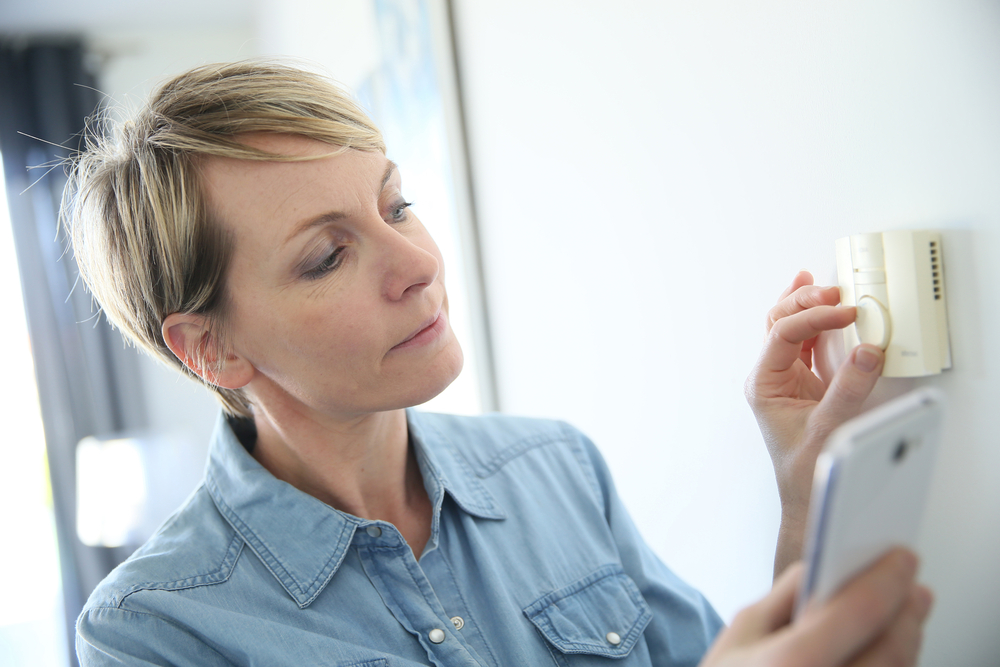
Smart Thermostat Settings for Surviving Miami Heat Waves

In Miami, summer isn’t just about beach days—it’s about managing triple-digit heat, power outages, and sky-high humidity. That’s why having the right AC settings in your home matters more than ever. The way you set your thermostat can make a huge difference—not only in how comfortable you feel, but in how well your system performs and how much you spend on electricity.

Why Your AC Settings Matter More in Miami
When the heat index soars past 100°F—as it often does in Miami—your air conditioner is already running close to its limit. You might be tempted to crank the thermostat way down, but that could be doing more harm than good.
Each degree you lower your thermostat adds roughly 3–5% to your energy bill. It also adds strain to the power grid and increases the risk of blackouts. In the worst-case scenario, a sudden outage or power surge could even damage your AC unit.
This is where smart thermostat strategies come in. The right settings can lower your costs, ease pressure on your system, and help avoid costly repairs—especially when heatwaves and rolling blackouts hit.
👉 Learn more about ideal thermostat settings from the U.S. Department of Energy

Best Thermostat Settings for Miami Heat
The U.S. Department of Energy recommends keeping your AC at 78°F when you’re home. That may sound high in a humid climate like Miami, but with ceiling fans and blackout curtains, you’ll be surprised how cool your space feels.
Here’s a Miami-tested thermostat schedule:

When Home (Day): 77–78°F

When Sleeping: 75–76°F

When Away: 83–85°F

If you use a smart thermostat (like Nest or Ecobee), you can automate these settings to follow your daily routine—helping you stay cool without wasting energy.

What to Do During a Blackout in Miami
Heat-related blackouts are becoming more common in South Florida. Here’s how to prepare your AC system and your home:

✅ Pre-cool your home early in the morning

✅ Close blinds/curtains to trap cooler air

✅ Use ceiling fans (set counterclockwise) to boost airflow

✅ Skip the oven—heat stays trapped indoors

✅ Unplug electronics to avoid power surge damage

✅ Have a battery-powered fan or cooling unit on hand

And once the power returns, wait 15 minutes before turning your AC back on. This avoids surging your system and gives the grid a chance to stabilize.

Smart Tools That Keep You Comfortable
If you want to stay ahead of the heat, consider upgrading with these simple solutions:

Smart Thermostats – Automatically adjust to keep comfort and savings balanced

Surge Protectors – Protect your AC and electronics from storm-related power issues

High-Efficiency Air Filters – Keep airflow clean and strong, even on the hottest days

Dehumidifiers – Reduce strain on your AC in Miami’s sticky climate

Adding these tools now can prevent breakdowns later.

Conclusion: Control the Climate Inside
Thomas Edison once said, “The value of an idea lies in the using of it.” The same applies to your AC. It’s not just about having a powerful system—it’s about using it wisely, especially during a Miami heatwave. Smart settings, daily habits, and a little preparation can go a long way in keeping you cool, safe, and efficient.

Final Takeaway
Living in Miami means preparing for extreme weather is part of everyday life. By setting your thermostat smartly, using fans and shades, and keeping your AC maintained, you can stay comfortable while protecting your investment.

Ready to Upgrade Your AC Strategy?
Need help installing a smart thermostat, upgrading your surge protection, or getting your AC system tuned up for the season? Living Air, Inc. has you covered. We’ve helped Miami homes beat the heat for over 20 years.
📧 Email: Livingair@ymail.com📞 Phone: 305-233-9669🏠 Address: 8865 SW 131st Street, Miami, FL 33176

Read More

The State of Education October 2025

“Education is not preparation for life education is life itself.” — John Dewey

This reflects the ongoing dedication of Miami-Dade educators and students to lifelong learning and community impact.
Introduction: Miami-Dade Education Report
The Miami-Dade Education Report highlights October 2025 updates, student achievements, and school board initiatives across Miami-Dade County. This Miami-Dade Education Report shows how schools, colleges, and universities are advancing academic excellence and community engagement this fall.

Miami-Dade Education Report: School Board Highlights
The Miami-Dade Education Report shows that the County School Board focused on teacher retention and school safety upgrades this month. Signing bonuses for certified teachers in high-demand subjects like math, science, and bilingual education were approved.
Upgraded security cameras and digital visitor management systems are being implemented across campuses. Board members emphasized the importance of equitable resources for all schools.
📎 Miami-Dade County Public Schools

Miami-Dade Education Report: Student Success Highlights
October was full of homecoming events, college fairs, and academic competitions, highlighting Miami-Dade student achievements.
At Miami Palmetto Senior High, the robotics team earned national recognition, while Dr. Michael M. Krop Senior High reported that over 90% of seniors submitted college applications before the early decision deadline.
Teachers emphasize social-emotional learning and college readiness, helping students stay balanced during this busy period.

Miami-Dade Education Report: College and Community Innovation
At Miami Dade College (MDC), Hispanic Heritage Month celebrations included art exhibits, panel discussions, and community performances.
MDC partnered with Florida Power & Light (FPL) to expand renewable energy training programs, preparing students for sustainability-focused careers.
📎 Miami Dade College Newsroom

Miami-Dade Education Report: University Achievements
The University of Miami (UM) gained recognition for research in digital learning engagement. Florida International University (FIU) was celebrated for healthcare outreach programs and a mentorship initiative connecting alumni with graduating seniors.
📎 University of Miami News📎 FIU Newsroom

Miami-Dade Education Report: Private Schools and Community Programs
Private schools contributed to education innovation and community engagement. Ransom Everglades School launched an entrepreneurship incubator, Gulliver Preparatory School hosted Spirit Week, and St. Philip’s Episcopal School ran the “Read for Change” campaign promoting literacy and libraries.
📎 Ransom Everglades School📎 Gulliver Prep

Takeaway
The Miami-Dade Education Report demonstrates how collaboration, innovation, and dedication drive educational excellence. From public schools to universities, Miami-Dade continues to lead in academic achievement and community engagement.

Related Resources

Miami Dade College Newsroom

University of Miami Updates

Florida International University News

Miami-Dade County Public Schools

Read More

Hurricane Mitigation

Understanding Hurricane Mitigation & Secondary Waterproofing

A roof’s strength is tested not by sunshine, but by the storms it endures.
– Karen Rodman

TL:DR: Hurricane mitigation and secondary waterproofing work together to strengthen your roof and protect your property. By reinforcing roof decking, sealing weak points, and following Florida’s building codes, you can reduce damage, lower insurance costs, and extend your roof’s lifespan. Whether residential or commercial, preparation today saves thousands tomorrow.

The Calm Before the Storm
In South Florida, hurricanes are more than weather events—they’re a test of preparation. For every home or business, the roof is the first line of defense against driving rain and punishing winds. Understanding hurricane mitigation and secondary waterproofing is essential to keeping your property safe, secure, and code-compliant.
What Is Hurricane Mitigation?
Hurricane mitigation refers to the steps taken to strengthen a building so it can better withstand the forces of a storm. For roofs, that means reinforcing every layer—from the decking to the surface materials—so the system holds together under extreme conditions. Florida’s strict building codes are designed to protect lives and property, but proactive maintenance and upgrades go even further.
The Florida Building Code Advantage
When a roof is replaced, Florida law requires contractors to re-nail and re-secure the existing roof decking. This process, part of the Hurricane Mitigation Retrofit Rule (9B-3.0475), ensures that your roof decking meets or exceeds current wind-resistance standards. Proper nailing patterns, fasteners, and underlayment materials all play a role in creating a roof that performs when it matters most.
For commercial properties, especially those with flat or low-slope roofs, compliance means checking that every section—from modified bitumen to cap sheet systems—is properly adhered and sealed. These details can be the difference between a roof that holds and one that lifts in a major storm.
Understanding Secondary Waterproofing
If hurricane mitigation is about strength, secondary waterproofing is about protection. It’s an additional layer of defense between your roof deck and the elements. When primary roofing materials like shingles or tiles are damaged, secondary waterproofing prevents water from entering your home or building.
This layer often comes in the form of self-adhering membranes, synthetic underlayment, or liquid-applied coatings. Each method has its advantages:

Self-adhering membranes create a watertight seal around fasteners and seams.

Synthetic underlayments offer durability, resisting tears and UV damage during installation.

Liquid-applied coatings are ideal for commercial flat roofs, adding flexibility and long-term resistance to ponding water.

The Benefits Go Beyond Storm Protection
Homeowners and business owners who invest in mitigation and waterproofing enjoy several key benefits:

Reduced storm damage — Reinforced roofs are less likely to fail under pressure.

Lower insurance premiums — Many insurance companies offer discounts for properties with certified mitigation upgrades.

Longer roof lifespan — Secondary waterproofing prevents slow leaks and moisture damage that can weaken decking over time.

Increased property value — A fortified, energy-efficient roof is a major selling point for both residential and commercial buyers.

Inspections and Maintenance: The Key to Longevity
Mitigation is not a one-time project—it’s a mindset. Schedule annual roof inspections, ideally before hurricane season. A licensed roofing contractor can identify potential vulnerabilities, check for loose flashing, inspect fasteners, and confirm that waterproofing membranes remain intact.
For commercial buildings, it’s especially important to review drainage points, rooftop equipment mounts, and sealing around vents. A small issue in these areas can turn into a costly repair if neglected.
The Cost of Doing Nothing
Ignoring small roof problems can be expensive. Once water penetrates the roof deck, it can compromise insulation, drywall, electrical systems, and even structural supports. After a major storm, emergency repairs often cost far more than preventative upgrades. Investing in mitigation now could save thousands in future repairs and insurance deductibles.
Combining Strength with Smart Solutions
Modern technology has made hurricane mitigation more efficient than ever. Energy-saving roof coatings, reflective materials, and high-performance adhesives not only protect against storms but also help reduce energy bills. These solutions are ideal for commercial facilities looking to combine storm readiness with sustainability.
Wisdom for the Wise

Maya Angelou once said, “I did then what I knew how to do. Now that I know better, I do better.” That truth applies perfectly to

hurricane preparation. Every year brings stronger storms and better building science. Knowing how to protect your property means acting now—before the next warning is issued.
Whether you own a home or manage a commercial property, hurricane mitigation and secondary waterproofing are not optional—

they’re essential. Reinforcing your roof today ensures that your investment, your people, and your peace of mind are protected tomorrow.
Don’t wait for the next storm alert to test your roof’s strength. Contact Rodman Roofing, Inc. today for a professional inspection and discover how hurricane mitigation and secondary waterproofing can secure your property for years to come.
Contact Info:Karen Rodman, President12151 S.W. 128th Court Unit 108, Miami, FL 33186Email: rodmanroofing@yahoo.com

Read More