Select Page

Communities

Widgetized Area

This panel is active and ready for you to add some widgets via the WP Admin

Hotel and travel in North Bay Village

Visitors and residents can use local travel listings to compare lodging, transportation, and trip-planning options. North Bay Village residents, property owners, and organizations can use this page to find and compare hotel and travel providers in the area. Treat each listing as a starting point: contact the provider directly to confirm the current service area, availability, qualifications, and terms before choosing a service.

Hotel and travel services to explore

Depending on the provider, businesses may offer hotel stays, travel planning, local transportation, tours, or assistance with booking a trip. Some businesses focus on one specialty, while others offer several services through a single office. Ask which work is performed by the provider, what is handled by a partner, and whether the service is available for your particular project or situation. A clear description of the work helps you compare providers on similar terms.

How to compare hotel and travel providers

Start with the need, location, timing, and budget you have in mind. Request a written scope or explanation of what is included, how long the work may take, and what could affect the final cost. Compare experience with similar requests, communication practices, scheduling, payment terms, and the process for follow-up. If credentials, permits, insurance, or a written agreement apply to the service, ask for current details and verify them with the appropriate source.

Questions to ask before you decide

Ask about dates, occupancy, transportation arrangements, booking conditions, deposits, cancellation terms, accessibility, and any extra charges that may apply. Review the answer alongside the provider’s listing and written terms. Ask for clarification if a service description is broad, a quote leaves out important work, or a timeline is uncertain. Confirm how to reach the business after the initial appointment and what steps are available if the service needs correction or further attention.

Find hotel and travel in North Bay Village

Browse the North Bay Village business directory to identify local listings and request current information. Compare providers using the same criteria so differences in scope, availability, and price are easier to understand. A directory listing is not an endorsement, and details should be verified directly with each business.

For municipal contacts and community information, visit the official North Bay Village website. Contact providers directly to confirm the details that matter for your needs and keep written estimates, policies, and agreements for reference.


Why Having a Primary Care Doctor Who Knows You Matters

Your medical record contains information. Your doctor should know the person behind it.
“The more I know about my patients—not just their symptoms, but their history, goals, and concerns—the more personal their healthcare can become.”
— Dr. Juan Dangond
TL;DR
Having a primary care doctor in South Miami who knows you can make healthcare more personal and connected. At Dangond Direct, patients build an ongoing relationship with Dr. Juan Dangond, giving him the opportunity to understand their medical history, medications, lifestyle, concerns, and health goals over time. That continuity is at the heart of Direct Primary Care.
Your Medical Chart Doesn’t Tell Your Whole Story
A medical chart can tell a physician your age, medications, previous diagnoses, laboratory results, and medical history.
But it doesn’t necessarily explain you.
What worries you?
What health goals are important to you?
How has your health changed over the past year?
What happened the last time you experienced a particular symptom?
What treatments have worked well for you—and which haven’t?
Those details become easier to understand when you have an ongoing relationship with the same primary care physician.
At Dangond Direct, that’s an important part of the Direct Primary Care model.
1. You Don’t Have to Start From the Beginning
Seeing a physician who already knows your history can change the conversation.
Instead of spending valuable appointment time repeatedly explaining your background, you can continue the conversation from where you left off.
Dr. Juan Dangond can become familiar with your health history, medications, previous concerns, lifestyle, and long-term goals.
Over time, each interaction adds context to the next.
That’s continuity of care.
2. Small Changes Can Have Context
Imagine mentioning that you’ve been more tired than usual.
By itself, fatigue can mean many things.
However, a physician who has an ongoing relationship with you may also have context from previous conversations, examinations, medications, laboratory results, or changes you’ve discussed.
That doesn’t automatically provide a diagnosis. But it can give your doctor useful information when determining what questions to ask and whether further evaluation is appropriate.
Healthcare isn’t just about individual symptoms.
It’s about understanding those symptoms within the context of the patient.
3. Your Health Goals Become Part of the Conversation
Not every healthcare conversation begins with something being wrong.
Maybe you want to lose weight.
Perhaps you want to improve your blood pressure or cholesterol.
You may want to exercise more, sleep better, manage stress, or simply remain healthy as you get older.
When you have an ongoing relationship with your primary care doctor, those goals don’t have to disappear after one appointment.
They can become part of a continuing conversation.
At Dangond Direct, longer appointments and ongoing communication help create the opportunity to discuss not only today’s concern but also where you want your health to go tomorrow.
4. Communication Doesn’t Have to End When You Leave
One of the defining characteristics of Direct Primary Care is accessibility.
Dangond Direct members can communicate with the practice by phone, text, or email when questions arise.
That matters because healthcare doesn’t happen exclusively inside an examination room.
A question about medication may come up at home. A new symptom may appear several weeks after an appointment. You may simply want to know whether something warrants another visit.
Having an established relationship makes those conversations more meaningful because you’re communicating with a practice that already knows your history.
5. Trust Develops Over Time
Trust isn’t created during a single appointment.
It’s built through conversations.
Through listening.
Through follow-up.
And through knowing that when you have another question, you’re not necessarily starting from zero.
That relationship can also encourage patients to become more engaged in their healthcare and more comfortable discussing concerns with their physician.
Direct Primary Care Is Relationship-Based Healthcare
Direct Primary Care is often described in terms of membership fees, longer appointments, or easier access.
Those things matter.
But they support something even more important: the relationship between doctor and patient.
At Dangond Direct, Dr. Juan Dangond’s goal is to develop that relationship over time so healthcare becomes increasingly familiar, connected, and personal.
Your medical chart is important.
But you’re more than your chart.
And your primary care doctor should have the opportunity to know the difference.
Featured Snippet
Why is it important to have a primary care doctor who knows you?
Having an ongoing relationship with a primary care doctor allows the physician to become familiar with your medical history, medications, lifestyle, concerns, and health goals. This continuity can provide valuable context for future conversations and help create more personalized healthcare.
Frequently Asked Questions
What is continuity of care?
Continuity of care means developing an ongoing healthcare relationship in which your physician becomes familiar with your medical history, previous concerns, treatments, and health goals over time.
Will I see Dr. Juan Dangond at Dangond Direct?
Dangond Direct is built around an ongoing relationship with Dr. Juan Dangond and the Direct Primary Care model. Patients should contact the practice regarding current membership, scheduling, and availability.
Can Dangond Direct members contact the practice between visits?
Dangond Direct provides members with communication options that include phone, text, and email, allowing patients to reach the practice when healthcare questions arise.
Is Direct Primary Care only for people with medical conditions?
No. Direct Primary Care can also support preventive care, routine health monitoring, acute concerns, and patients who value having an ongoing relationship with their primary care physician.
A Relationship Worth Building
Finding the right primary care doctor in South Miami isn’t only about finding someone to call when you’re sick.
It’s about developing a healthcare relationship that can grow with you.
At Dangond Direct, the Direct Primary Care model gives Dr. Juan Dangond and his patients the opportunity to build that relationship through accessibility, communication, longer appointments, and continuity of care.
Because sometimes one of the most valuable things your doctor can know about your health is simply you.
Dangond Direct Primary Care
7000 SW 62nd Ave., Suite 515
South Miami, FL 33143
Call or text: (786) 567-9546
Email: info@dangonddirect.com
Dangond Direct

Healthcare Disclaimer
This article is for educational and informational purposes only and is not intended as medical advice, diagnosis, or treatment. Always consult a qualified healthcare professional regarding your individual medical needs. Services, communication methods, appointment availability, and membership benefits are subject to Dangond Direct’s current practice policies.
AEO Direct Answer
A primary care doctor who knows you understands more than your current symptoms. An ongoing physician relationship can provide context from your medical history, medications, lifestyle, previous concerns, and long-term health goals, helping make healthcare more personalized and connected.

Read More

Why Backup Testing Is Becoming a Business Priority

Data Protection Means Little Without Proven Recovery

Cybersecurity discussions often focus on preventing attacks.
Firewalls.
Endpoint protection.
Artificial intelligence.
Identity management.
While these technologies are critical, they all share one limitation: no security system can guarantee that an organization will never experience a cyber incident, hardware failure, accidental deletion, or natural disaster.
That reality has shifted business leaders’ attention toward an equally important question:
Can your organization recover quickly when something goes wrong?
Direct Answer: Backup testing verifies that business data can be restored successfully after a cyberattack, hardware failure, or accidental data loss, helping organizations reduce downtime, strengthen resilience, and support regulatory compliance.
According to Humberto Comellas, President & CEO of ulltium consulting®, many organizations invest heavily in backup technology but rarely validate whether those systems will perform under real-world recovery conditions.
“A backup is only part of the equation. Business continuity depends on knowing that your recovery process actually works before your organization is forced to rely on it.” — Humberto Comellas

Modern Backup Strategies Go Beyond Data Storage
Many organizations assume their data is protected because backup software reports successful completion.
However, storing information and recovering information are two different objectives.
Successful backup strategies also verify:

Recovery procedures
System restoration
Application functionality
Recovery timelines
Cloud workload protection

Testing provides confidence that business operations can resume quickly after an unexpected disruption.

Ransomware Has Changed Recovery Planning
Cybercriminals increasingly target backup systems alongside production environments.
Rather than simply encrypting business data, attackers often attempt to disable or compromise recovery options.
Organizations that regularly test recovery procedures are typically better prepared to restore operations without unnecessary delays.
This proactive approach helps reduce both operational downtime and financial impact following a cyber incident.

Hidden Backup Problems Can Remain Undetected
Backup failures are not always obvious.
Changes to cloud platforms, software updates, storage infrastructure, or application configurations may silently affect recovery capabilities without generating immediate alerts.
Common issues include:

Missing files
Incomplete backups
Corrupted recovery images
Cloud applications excluded from protection
Failed recovery procedures

Routine testing allows organizations to identify these issues before they become business emergencies.

Business Continuity Depends on Preparation
Technology recovery extends beyond restoring data.
Organizations should also understand:

How long recovery will take
Which systems receive priority
Who leads the recovery effort
How employees continue operating during an outage
How customers are informed

Documented recovery procedures reduce uncertainty while improving organizational resilience.

Compliance Expectations Continue to Grow
Many industries now require organizations to demonstrate their ability to recover protected information.
Healthcare providers.
Financial institutions.
Legal organizations.
Manufacturers.
Professional service firms.
Increasingly, auditors, insurers, and enterprise clients expect documented evidence that recovery procedures have been tested successfully rather than simply assuming backup systems are functioning correctly.
Recovery readiness has become an important component of overall cybersecurity governance.

Recovery Planning Supports Business Resilience
Business interruptions are inevitable.
Successful organizations distinguish themselves not by avoiding every incident but by recovering efficiently when unexpected events occur.
Regular backup testing provides leadership with greater visibility into operational readiness while reducing uncertainty during emergencies.
For growing organizations, business resilience increasingly depends on preparation rather than assumptions.

About Humberto Comellas
With more than 40 years of technology leadership experience, Humberto Comellas serves as President & CEO of ulltium consulting®, helping organizations throughout South Florida strengthen cybersecurity, improve business continuity, modernize infrastructure, and align technology with long-term business strategy.
His proactive consulting approach emphasizes operational resilience, strategic planning, and technology leadership across healthcare, legal, construction, manufacturing, and professional services.

Contact ulltium consulting®
Humberto Comellas
President & CEO
📞 Main: 305-823-2200 ext. 150
📱 Cell: 305-763-2580
📧 hcomellas@ulltium.com
Driving Your Success with Trusted I/T Solutions
Direct Answer: Backup testing verifies that business data can be restored successfully after a cyberattack, hardware failure, or accidental data loss, helping organizations reduce downtime, strengthen resilience, and support regulatory compliance.

Read More

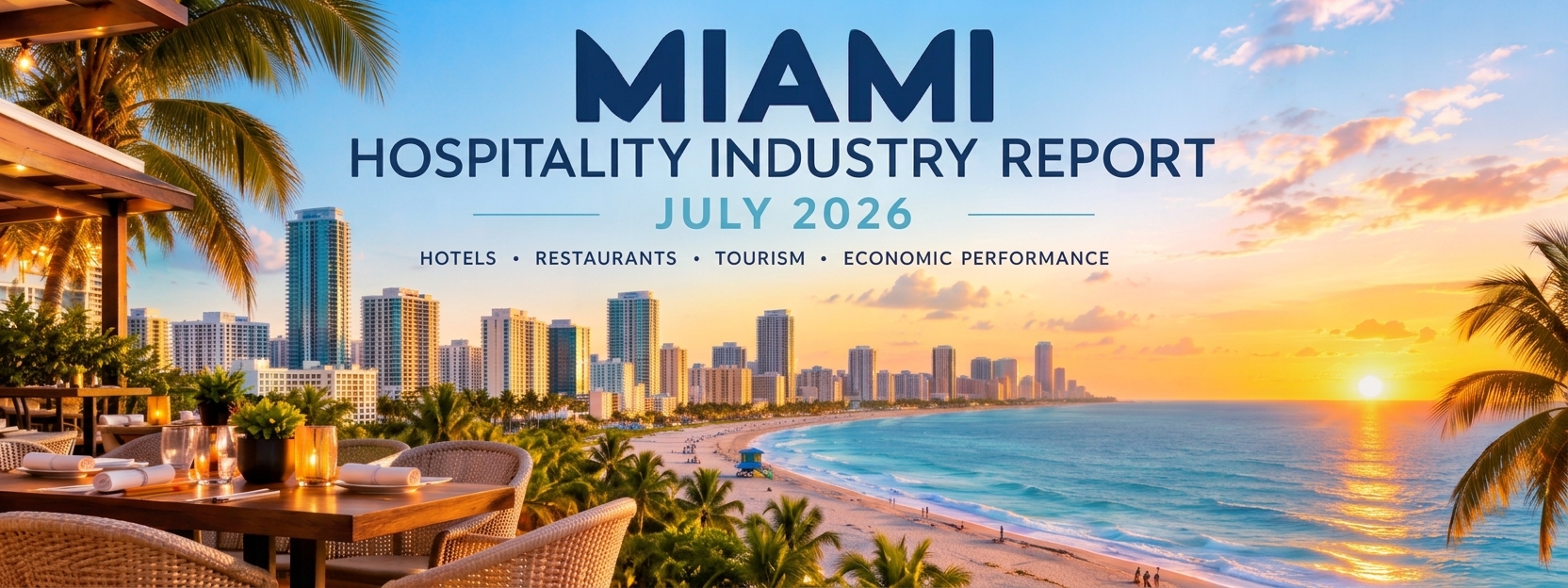
Miami Hospitality Industry Report-July 2026

Miami Hospitality Rides the Final Wave of the World Cup as July Delivers Another Strong Hotel Performance
July 2026 marked another extraordinary month for Miami’s hospitality industry. After the World Cup group-stage matches drove hotel pricing higher in June, July brought the tournament’s knockout rounds, including a Round of 32 match, a quarterfinal and Miami’s bronze-final match.
The result was another month in which major events supported hotel pricing, restaurant traffic and visitor spending across South Florida.
The World Cup’s impact was particularly visible in hotel rates. During the week of July 5–11, Miami recorded the largest year-over-year increase in ADR among CoStar’s Top 25 U.S. hotel markets, with average daily rate rising 37.6% to $232.47. RevPAR increased 38.0% to $157.00, driven by the July 11 quarterfinal between England and Norway.
At the national level, U.S. hotels also continued to post positive results during July, with monthly occupancy reaching 69.7%, ADR at $171.74 and RevPAR at $119.77.
For Miami, July demonstrated how a major international sporting event can influence the hospitality economy through concentrated periods of unusually strong demand.

July 2026 By the Numbers

Metric
July 2026

U.S. Hotel Occupancy
69.7%

U.S. ADR
$171.74

U.S. RevPAR
$119.77

U.S. ADR YoY
+5.7%

U.S. RevPAR YoY
+8.2%

Miami ADR, July 5–11
$232.47

Miami ADR YoY, July 5–11
+37.6%

Miami RevPAR, July 5–11
$157.00

Miami RevPAR YoY, July 5–11
+38.0%

World Cup knockout matches at Miami Stadium in July
3

Estimated regional World Cup economic impact
$1.3B

The Miami hotel figures in the table are weekly results rather than a full-month Miami market average. This distinction is important because publicly available CoStar reporting highlights specific event weeks rather than publishing the complete Miami monthly market table in the same release.

Hotels: World Cup Pricing Power Continues
The most significant hospitality story in July was the continued ability of major events to push Miami hotel rates higher.
During July 5–11, Miami hotels posted an ADR of $232.47, up 37.6% from the comparable week in 2025. RevPAR reached $157.00, up 38.0%. CoStar specifically attributed the surge to the World Cup quarterfinal between England and Norway on July 11.
That performance followed an equally strong June.
During June 21–27, Miami ADR had already jumped 51.1% year over year to $267.87, while RevPAR rose 51.6% to $196.87 as three World Cup matches took place in the market.
The July data therefore reinforce an important trend for Miami’s hotel industry:
The World Cup did not simply create additional room demand. It also created opportunities for hotels to increase rates during high-demand event windows.
This distinction matters because occupancy and ADR do not always move together. Hotels can generate significantly more room revenue even when occupancy increases only modestly if pricing rises sharply.

The World Cup’s July Schedule Kept Miami Busy
Miami Stadium hosted three World Cup matches during July:

July 3: Argentina vs. Cabo Verde — Round of 32
July 11: Norway vs. England — Quarterfinal
July 18: France vs. England — Bronze final

FIFA’s official tournament records confirm all three matches took place at Miami Stadium in Miami Gardens.
The July 11 quarterfinal was especially significant for hotels. CoStar identified that match as the primary driver behind Miami’s 37.6% weekly ADR increase.
The July 18 bronze final also extended the tournament’s hospitality footprint deeper into the month, keeping international visitors, fans and event-related spending active beyond the traditional Fourth of July period.

Hospitality Spending Extended Beyond Hotels
The World Cup’s effect was not limited to hotel rooms.
Businesses throughout South Florida reported increased activity during the tournament. CBS Miami reported that FIFA officials estimated the regional economic impact of the World Cup at approximately $1.3 billion, while local businesses reported increased customer traffic during the tournament period. One restaurant operator cited sales approximately 15% higher during a particularly busy stretch.
This type of event produces spending across multiple hospitality categories:

Hotels
Restaurants
Bars
Transportation
Entertainment
Retail
Attractions
Event venues
Private catering
Nightlife

However, the $1.3 billion figure should not be treated as July restaurant or hotel revenue. It is an estimated regional economic impact associated with the tournament, and using it as direct hospitality sales would significantly overstate the industry’s actual revenue.

Restaurants: Growth Continues, but Closures Remain Part of the Story
July was another active month for Miami’s restaurant industry, with new concepts opening while established operators continued to face high occupancy costs and changing consumer demand.
One notable opening was Mister O1 Extraordinary Pizza’s first Coral Gables location, adding another location for one of Miami’s most established local pizza brands.
The restaurant industry also saw important changes in Wynwood.
Two restaurants, Shiso and Niño Gordo, closed within days of each other in July. Shiso ended restaurant service on July 12 and is transitioning the space toward use as the Wynwood Event Center, with the former restaurant’s culinary team expected to continue through private-event catering.
These developments illustrate a broader evolution in Miami hospitality: restaurant spaces are increasingly being evaluated not only for traditional dining but also for events, private dining, nightlife and other revenue opportunities.

Coconut Grove Shows the Cost Pressure Facing Restaurants
July also brought additional attention to the economics of Miami restaurant real estate.
Lokal, the longtime Coconut Grove burger restaurant, closed after nearly 15 years. Its founder cited substantially higher occupancy costs and the expense of needed building repairs as factors that made continuing operations difficult.
Miami New Times reported that restaurants in Coconut Grove were facing base rents of approximately $85–$100+ per square foot annually, with full-service operators potentially spending roughly $100,000 to $350,000 annually on rent depending on the property and size.
The Lokal closure is particularly relevant to the hospitality industry because it demonstrates the tension between rising real-estate values and the economics of independent restaurants.
A neighborhood can become more valuable while simultaneously becoming more difficult for long-established independent operators to afford.

Restaurant Openings Continue to Reshape Miami
Despite the closures, Miami’s restaurant pipeline remained active.
Recent openings across Coral Gables, Wynwood, Miami Beach and other neighborhoods continued to add new concepts and expand established brands.
The July restaurant landscape included:

New independent restaurants
Expanding local restaurant groups
New pizza concepts and additional locations
Japanese and Asian-inspired restaurants
New bars and nightlife venues
Restaurant spaces transitioning toward private events

Miami New Times’ July reporting also documented continued restaurant openings throughout the month, including new burger concepts, pizzerias and other dining destinations.
The combination of openings and closures suggests that Miami’s restaurant industry is not simply expanding or contracting. Instead, it is reallocating space, concepts and capital toward operators that can adapt to changing rent, labor, traffic and consumer conditions.

Fourth of July Added Another Hospitality Demand Window
The World Cup was not the only major July driver.
Independence Day fell on Saturday, July 4, creating a full holiday weekend of fireworks, waterfront events, concerts and restaurant activity throughout Miami and Miami Beach.
Local tourism calendars highlighted fireworks and celebrations at locations including South Beach and Bayfront Park, while hotels and restaurants offered special viewing packages and waterfront experiences.
For hospitality operators, the combination of Fourth of July + World Cup + summer travel created multiple demand windows rather than one isolated event.
That helped make July one of the most event-intensive summer months of the year.

Miami’s Hotel Market: Rate Growth Was the Key Story
The July numbers reinforce a pattern that became visible during the first half of 2026.
Miami’s hospitality performance has increasingly been supported by pricing power during major event periods.
June provided an early example, with Miami’s full-month ADR increasing 23.2% to $218.37, the largest ADR increase among CoStar’s Top 25 U.S. hotel markets.
July then produced another major event-related spike, with ADR rising 37.6% during the July 5–11 week.
This suggests that Miami’s 2026 hotel story cannot be evaluated simply by looking at occupancy.
For hotel owners and operators, the more important question is:
How much revenue can each occupied room generate during high-demand periods?
ADR and RevPAR provide a better way to answer that question.

Estimated Hospitality Economic Activity
It is tempting to combine hotel revenue, restaurant sales, transportation spending, visitor spending and the reported $1.3 billion World Cup economic-impact estimate into a single number.
That would not be a reliable calculation.
The $1.3 billion figure is an economic-impact estimate for the regional tournament activity, while hotel revenue and restaurant sales represent specific operating categories. Economic-impact studies can also include indirect and induced spending.
For this reason, this monthly report does not present a fabricated single revenue number for Miami hospitality.
Instead, July should be understood as a month with several identifiable revenue drivers:
Hotel Revenue
Strong event-week ADR growth increased potential room revenue during World Cup match periods.
Restaurant Revenue
Restaurants benefited from increased visitor and fan traffic, although performance varied significantly by location and concept.
Events
The World Cup, Fourth of July and summer entertainment created multiple high-demand periods.
Private Events
The conversion of restaurant spaces into event venues, such as the Shiso-to-Wynwood Event Center transition, shows the growing importance of private-event revenue.

Costs and Operating Pressure
The latest available Miami-area CPI data also show that operating costs remain an important issue.
The Bureau of Labor Statistics reported that Miami-Fort Lauderdale-West Palm Beach prices increased 3.4% year over year through June 2026. Food prices increased 2.1%, while food away from home increased only 0.2% over the year. Energy prices, however, were up 14.1%, with gasoline prices up 27.7%.
This creates a complicated environment for hospitality operators.
Restaurant pricing pressure may be relatively moderate in some categories, but transportation, energy, rent and labor costs can still have a significant impact on operating margins.
For restaurants especially, July’s closures demonstrate why sales growth alone does not guarantee profitability.

What July 2026 Tells Us About Miami Hospitality
July delivered several important signals for Miami’s hospitality industry.
1. Major events can create extraordinary pricing opportunities
The World Cup produced hotel ADR increases exceeding 30% during key July weeks.
2. Event demand is concentrated
The strongest hotel performance occurred around specific match dates rather than uniformly across the month.
3. Restaurants remain highly competitive
New concepts continue to open while established restaurants close, relocate or change their business model.
4. Real estate remains a major factor
The closure of Lokal illustrates how higher rents and property-related expenses can affect restaurant sustainability.
5. Events are becoming increasingly important to hospitality strategy
The transition of Shiso’s space toward a private-event venue illustrates how operators can repurpose hospitality properties around alternative revenue streams.

Looking Ahead to August 2026
With the World Cup completed, Miami’s hospitality industry moves into a very different operating environment.
The immediate question for hotels is whether elevated pricing can continue after the tournament or whether rates will normalize as event-driven demand disappears.
For restaurants, August traditionally introduces a different type of opportunity: Miami Spice.
The 2026 Miami Spice program returned at the end of July, with more than 300 restaurants participating across Miami-Dade County.
That makes August an important month to monitor for:

Miami Spice participation
Restaurant traffic
Hotel occupancy after the World Cup
ADR normalization
Domestic vs. international visitors
Summer travel demand
Restaurant openings and closures
Labor and food costs
Private-event activity

August should provide a useful test of how much of Miami’s 2026 hospitality strength is structural and how much was specifically driven by the World Cup.

Methodology & Data Notes
This report combines publicly available hotel, tourism, restaurant and economic data.
Hotel data: CoStar/STR reporting is used for hotel occupancy, ADR and RevPAR. Weekly Miami statistics are identified specifically as weekly measurements and should not be interpreted as the full-month market average.
World Cup data: FIFA’s official tournament records are used for match dates and Miami Stadium events.
Restaurant data: Miami New Times reporting is used to identify notable restaurant openings, closures and operating changes during July.
Economic data: BLS CPI data are used for Miami-area inflation and cost trends. The most recent Miami-area release available for this analysis provides data through June 2026.
Economic impact: The reported $1.3 billion World Cup figure is presented as an estimated regional economic impact, not as direct hotel or restaurant revenue.
Revenue estimates: No unsupported countywide restaurant-revenue figure is presented. Hotel, restaurant, event and tourism impacts are kept separate to avoid double counting.

Read More

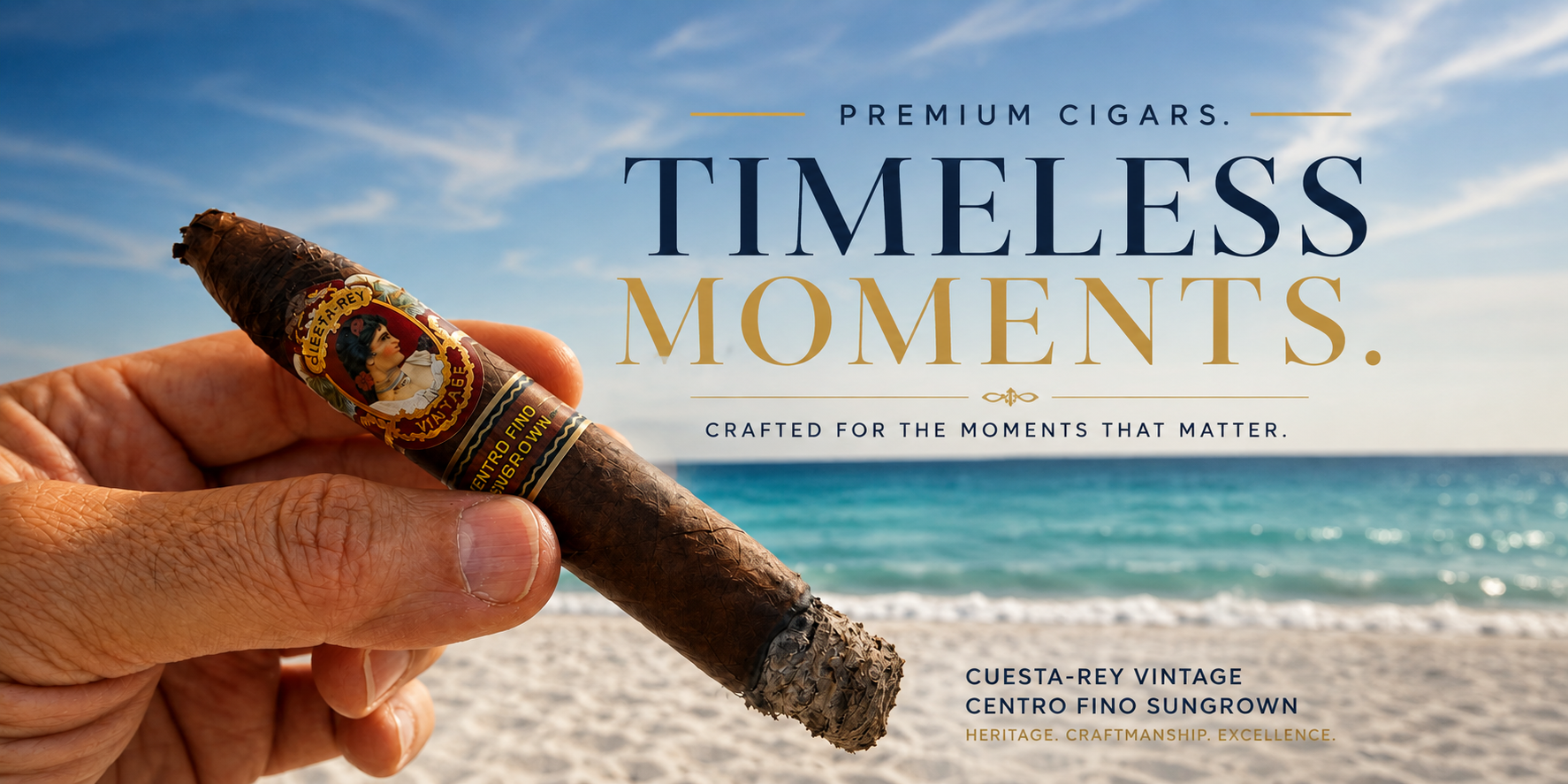
Cuesta-Rey Vintage Centro Fino Sungrown Delivers a Classic Dominican Experience

From Big Smoke to the Beach
Cuesta-Rey Vintage Centro Fino Sungrown Delivers a Classic Dominican Experience
A premium cigar discovered at Big Smoke Miami 2026 and enjoyed where every great cigar deserves to be—under the South Florida sun.
Every premium cigar has two stories.
The first begins in the tobacco fields, where generations of farmers cultivate leaves that will eventually become something extraordinary. The second begins when a smoker selects that cigar and decides the moment has finally arrived.
For this Cuesta-Rey Vintage Centro Fino Sungrown, the second story began at Big Smoke Miami 2026.
Walking through the exhibition floor of Big Smoke is every cigar enthusiast’s dream. Premium manufacturers from around the world showcase their finest cigars. Industry legends mingle with everyday aficionados. Meanwhile, conversations about wrappers, fermentation, vintage tobacco, and factory techniques fill the room while the unmistakable aroma of premium cigars hangs in the air.
Among the dozens of cigars I acquired during the event, one quietly stood apart.
It wasn’t the flashiest.
Nor was it the rarest.
More importantly, it wasn’t marketed as a limited edition or impossible-to-find collector’s item.
Instead, it was simply a Cuesta-Rey Vintage Centro Fino Sungrown—a cigar backed by nearly 150 years of history.
Rather than lighting it during the event, I slipped it into my travel humidor and waited.
Great cigars deserve great moments.
Weeks later, that moment arrived.
A Perfect South Florida Afternoon
The beach was calm.
The Atlantic shimmered under a bright summer sky while a gentle ocean breeze rolled across the white sand. Families enjoyed the water, the horizon stretched endlessly toward the Caribbean, and for a little over an hour, time seemed to slow down.
That setting became the perfect backdrop for a cigar whose reputation has been built on consistency rather than hype.
Some cigars fight for your attention.
Others quietly earn your respect.
The Cuesta-Rey Centro Fino belongs firmly in the second category.
A Brand Built on History
The story of Cuesta-Rey begins in 1884, making it one of the oldest premium cigar brands still enjoyed today.
Founded by Angel LaMadrid Cuesta and Peregrino Rey, the company first operated in Key West, Florida, before relocating to Ybor City in Tampa, where it became part of America’s thriving cigar industry.
Over the decades, ownership changed, but the commitment to craftsmanship remained.
Today the brand is produced by the J.C. Newman Cigar Company, America’s oldest family-owned premium cigar manufacturer, and handcrafted in the Dominican Republic by the legendary Arturo Fuente factory.
As a result, that partnership combines two of the most respected names in premium cigars.
It’s difficult to find a stronger pedigree.
What Does “Centro Fino” Mean?
Many smokers assume Centro Fino refers to a tobacco-growing region.
However, it doesn’t.
Translated from Spanish, it means “Fine Center.”
The name refers to carefully selected wrapper leaves chosen for their exceptional balance, appearance, and flavor characteristics.
Rather than emphasizing power, the name reflects refinement.
That’s exactly what this cigar delivers.
The Blend
One of the reasons this cigar remains so balanced is its thoughtfully constructed blend.
Wrapper
The wrapper is an Ecuadorian Sungrown leaf grown from Sumatra seed.
Ecuador has become one of the world’s premier wrapper-growing regions because its natural cloud cover filters harsh sunlight while allowing tobacco leaves to mature evenly.
The Sumatra genetics contribute:

Cedar
Baking spices
Sweet earth
Natural cocoa
Refined pepper

The wrapper displays a beautiful milk-chocolate color with a soft oily sheen and only the slightest veins. As a result, construction immediately inspires confidence.
Binder
The Dominican binder quietly supports the cigar’s structure while contributing subtle earthiness and helping maintain an even burn.
Like a great offensive line in football, it rarely receives attention because it simply does its job exceptionally well.
Filler
Inside rests a blend of carefully aged Dominican long-fillers.
The fillers create a profile built on elegance instead of strength.
Expect notes of:

Cedar
Espresso
Toasted almonds
Leather
Earth
Cocoa
Baking spices

The result is medium-to-full-bodied without ever becoming aggressive.
First Impressions
Before lighting, I spent several minutes simply appreciating the cigar.
The aroma from the wrapper revealed:

Cedar
Sweet hay
Cocoa powder
Fresh leather

Additionally, the foot added roasted coffee and a hint of molasses.
The cold draw delivered toasted bread, cedar, almonds, and just enough pepper to create anticipation.
Everything suggested balance.
Nothing suggested excess.
First Third
The first draw immediately confirmed the quality of the construction.
Creamy smoke poured effortlessly from each puff.
The opening flavors included:

Cedar
Toasted sourdough
White pepper
Roasted almonds
Fresh espresso

The pepper introduced itself politely before retreating into the background.
Rather than dominating the palate, it framed the sweeter characteristics of the Ecuadorian wrapper.
This wasn’t a cigar trying to impress with strength.
Instead, it was introducing itself with confidence.
Second Third
The second third became the highlight of the experience.
As combustion settled into rhythm, richer flavors began to emerge.
Dark cocoa slowly replaced milk chocolate.
Then, caramel appeared.
A gentle cinnamon note developed alongside deeper espresso flavors.
The complexity continued building without becoming overwhelming.
Meanwhile, the Atlantic breeze cooled the smoke just enough to make every draw feel refreshing.
Outdoor smoking can be difficult. Humidity changes combustion, while wind alters burn temperature and heat affects wrappers.
Nevertheless, the Cuesta-Rey Centro Fino Sungrown remained remarkably composed.
Final Third
Many premium cigars become hot or bitter during their final inches.
This one, however, did neither.
Instead, the profile matured.
Leather became more pronounced.
Earthiness deepened.
Dark chocolate lingered on the finish while the pepper quietly returned.
Even near the nub, the cigar maintained remarkable balance.
Ultimately, there was never a desire to put it down.
Construction Worthy of the Fuente Name
The Fuente family has built a worldwide reputation for impeccable construction, and this cigar demonstrated exactly why.
Draw
Outstanding.
Neither too firm nor too loose.
Every puff delivered dense, creamy smoke.
Burn
Considering the steady beach breeze, the burn performed exceptionally well.
Only one minor touch-up was required.
That’s impressive under outdoor conditions.
Ash
The ash held firmly for well over an inch before naturally falling.
With its light gray color, it reflected proper fermentation and careful craftsmanship.
Why Ecuadorian Sumatra Matters
Many smokers immediately recognize names like Connecticut, Habano, or Maduro.
However, Sumatra deserves just as much attention.
Originally developed from Indonesian tobacco, Sumatra seed has flourished in Ecuador thanks to ideal growing conditions.
Unlike heavier wrappers that can dominate a blend, Ecuadorian Sumatra adds elegance.
Expect:

Sweet cedar
Gentle spices
Floral undertones
Cocoa
Creaminess
A refined natural sweetness

Most importantly, it allows the Dominican tobaccos beneath it to shine instead of covering them.
That balance defines this cigar.
Pairing Suggestions
Although premium rum or bourbon would certainly complement this cigar beautifully, I intentionally paired it with something much simpler.
The Atlantic Ocean.
Warm sunshine.
White sand.
A comfortable beach chair.
Sometimes the environment becomes the perfect pairing.
For indoor enjoyment, I would recommend:
Coffee

Café Cubano
Espresso
Dark roast

Spirits

Aged Dominican rum
Kentucky bourbon
Highland Scotch

Non-Alcoholic

Sparkling mineral water
Unsweetened iced tea

Who Will Enjoy This Cigar?
This is not a beginner’s cigar.
Nor is it an overpowering full-bodied smoke reserved only for experienced enthusiasts.
Instead, it occupies one of the most desirable spaces in premium cigars.
Balanced.
Complex.
Approachable.
Experienced smokers will appreciate its evolution.
Meanwhile, intermediate smokers will appreciate its refinement.
Even newer cigar enthusiasts looking to expand beyond Connecticut wrappers will find much to admire.
Final Thoughts
Big Smoke Miami introduced me to many exceptional cigars.
Some were bold, while others were rare. A few even carried enormous hype.
Yet one of the cigars I continue thinking about isn’t the rarest one I brought home.
It’s the Cuesta-Rey Vintage Centro Fino Sungrown.
Perhaps that’s because truly great cigars don’t need to announce themselves.
They simply perform.
From its 1884 heritage to its Dominican craftsmanship, Ecuadorian Sumatra wrapper, and consistently refined flavor profile, this cigar represents everything many enthusiasts love about traditional premium cigars.
Would I smoke it again?
Absolutely.
Would I recommend keeping several in your humidor?
Without hesitation.
Because sometimes the finest cigars aren’t defined by rarity or price.
They’re defined by the memories created while smoking them.
For me, that memory will always begin at Big Smoke Miami 2026 and end with a gentle Atlantic breeze carrying the final wisps of smoke across a beautiful South Florida beach.
Miami Cigar Club Score
Overall Rating: 94/100

Category
Score

Appearance
95

Construction
95

Draw
96

Burn
93

Flavor
94

Complexity
94

Overall Experience
94

Cigar Profile
Brand: Cuesta-Rey
Line: Vintage Centro Fino Sungrown
Founded: 1884
Handcrafted In: Dominican Republic
Factory: Tabacalera A. Fuente y Cía.
Wrapper: Ecuadorian Sungrown (Sumatra Seed)
Binder: Dominican Republic
Filler: Dominican Republic
Strength: Medium to Full
Estimated Smoking Time: 70–90 Minutes
“The best cigars don’t simply fill the air with smoke—they fill our lives with memories. Long after the ash has fallen, it’s the moment that remains.” — Wilson Alvarez, Miami Cigar Club

Read More

How to Identify a Client’s Real Need Before You Sell

“The strongest sales conversation begins when a client can describe the cost of the problem in their own words.”
By Wilson Alvarez
Quick answer: To identify a client’s real need, ask what prompted the conversation, how the current situation affects operations, what has already been tried, what happens if nothing changes, and what a successful outcome would look like. Confirm the answer before proposing a solution. The apparent request is often a symptom; the purchase decision depends on the business consequence beneath it.

“You can’t sell anybody anything; they must discover they want it.” — Sandler Rule #27, attributed to David Sandler’s selling system

That rule is a useful reminder for experienced business professionals. Discovery is not a theatrical effort to make a prospect confess pain. It is a disciplined conversation in which the buyer connects a present condition with a consequence that matters. When that connection becomes clear, a recommendation has context. Until then, even an elegant presentation can feel like a solution searching for a problem. Sandler explains the rule in its discussion of professional, conversational selling.
The request is a starting point, not the diagnosis
Imagine a Miami company calls an IT consultant and asks for a new website. The consultant can immediately quote a site, discuss page counts and promise a launch date. But the owner may actually be troubled by weak credibility when prospects research the company, poor mobile inquiries, or an outdated message that no longer reflects its services. A new site may be part of the answer; the real business issue determines what kind of site, what content, and how success should be measured.
The same distinction appears in almost every field. A founder asks for more leads but has a slow response process. A professional asks for advertising but cannot explain why clients choose the firm. A team asks for a CRM when its larger problem is unclear ownership of follow-up. The salesperson who simply accepts the opening request risks delivering the requested item while leaving the underlying problem intact.
Ask about the moment that made the issue urgent
Begin with a question that allows the client to tell the story: “What happened that made this a priority now?” The answer often reveals a missed opportunity, a competitive change, a costly delay, or a leadership decision. Ask what the team has done so far and why those attempts did or did not work. These questions establish chronology before you suggest a remedy.
Then move from the symptom to its effect. “Where is this showing up in the business?” and “Who else is affected?” are more useful than a generic “What keeps you up at night?” Listen for specifics: time lost each week, deals that stall, inconsistent handoffs, customer complaints, or an owner who has become the bottleneck. If the client cannot quantify an effect, do not invent a return on investment. Ask for a reasonable estimate and label it as an estimate.
Understand the cost of staying where they are
Urgency is not the same as pressure. A thoughtful salesperson asks, “What happens if this is still unresolved six months from now?” The answer may be financial, operational, reputational, or personal. A service firm may have capacity but lose the right prospects. A growing company may make sales while exhausting its founder. Both problems are real, but they call for different priorities.
Consider a consulting firm whose principal says it needs more networking. The deeper issue may be that introductions rarely turn into meetings because no one follows up promptly. Joining another group would add contacts to a broken process. If the firm first builds an introduction protocol, a CRM reminder, and a clear next step after each meeting, it may improve conversion before expanding its calendar. This is an illustrative scenario, not a claim about a particular firm.
Let the client define a successful outcome
Ask what would be different if the engagement worked. Probe for an observable change: faster response to qualified inquiries, a shorter sales cycle, fewer missed handoffs, better retention, or more time for the owner to lead. Clarify the decision process too. Who participates? What constraints matter? When does a decision need to be made? A proposal is stronger when it reflects the client’s definition of value and the realities of implementation.
There is a difference between acknowledging a problem and authorizing a purchase. A client might agree that a process is inefficient but lack the budget or commitment to change it this quarter. Respect that distinction. Ask whether solving the issue is a priority now and what investment range is realistic. An honest “not yet” protects both parties from a proposal that will sit unanswered.
Summarize before presenting
Before offering a recommendation, say back what you heard: “You came in asking for more leads. The larger concern seems to be that qualified inquiries wait two days for a response, and you want a consistent same-day process before buying more traffic. Is that right?” This short summary gives the client a chance to correct your interpretation. It also separates a genuine diagnosis from the salesperson’s favorite product.
Only then explain the proposed path. Tie each element to an agreed issue, a decision maker, and an expected outcome. A practical proposal may recommend a small initial engagement, a pilot, or a staged rollout. State what is included and what is not, so the client can evaluate the first decision without being buried in optional services.
Build discovery into a repeatable practice
Keep a concise record of the triggering event, current process, business effect, desired result, timeline, stakeholders, and next commitment. A CRM can help organize those follow-ups, but the quality of the notes matters more than the software. The record should let someone else understand why the client might act, not merely that a meeting took place.
Review lost opportunities with the same discipline. Did the team assume the request was the need? Did it discuss implementation before establishing urgency? Did it ask for a decision without understanding how the buyer decides? This review turns discovery into a skill that improves with practice.
Questions executives can use in the next meeting

What changed recently that brought this issue to the top of your list?
How are you handling it today, and what has already been tried?
Where does the current approach cost time, revenue, trust, or attention?
What would a meaningful improvement look like in 90 days?
Who needs to be involved in deciding and implementing the next step?

These are prompts for a conversation, not a script to recite. Follow the client’s answer. The most revealing question is often the one you ask after listening carefully to the first answer.
Frequently asked questions
How do you identify a client’s pain point without sounding pushy?
Ask permission to explore the current situation, use open questions, and let the client describe the consequences. Reflect back what you heard and allow corrections. Avoid telling the buyer how painful a problem ought to be.
What if the client asks for a quote immediately?
Give a useful range if you have enough information, then explain the few facts needed for an accurate scope. A price without context may mislead both sides. Offer a short discovery call and a clear date for the proposal.
Does discovery make the sales cycle longer?
It can add time to the first conversation. It can also prevent wasted proposals and misaligned work. Measure the full cycle, including rework and decisions that never close, rather than only the length of the opening meeting.
Miami business owners who want to strengthen their leadership, visibility and growth strategy can connect with Wilson Alvarez at walvarez@miamibusiness.com or 305-386-6165.

Read More